.svg&w=384&q=75 "logo")
Balogun and Camara: Deadline Day Drama
The clock hit midnight, the window slammed shut, and two names still hung in the air: Folarin Balogun and Camara.
Deadline day promised movement. It delivered noise.
Balogun: The deal that never quite caught fire
All day, Balogun sat at the centre of the conversation. A proven goalscorer, a player with resale value, a forward who fits the modern game. On paper, exactly the sort of late move that can tilt a title race or rescue a faltering project.
The interest was real. The need was obvious. The agreement never came.
Clubs circled, weighed up the fee, the wages, the long-term commitment. Numbers were discussed, structures floated, options considered. None of it turned into a signature. By the time the final calls were made and the last documents could realistically be pushed through, the gap between what was wanted and what was offered remained.
So Balogun stays put. A striker who could have been the headline act of deadline day instead becomes the symbol of it: plenty of intent, no decisive strike.
Camara: Talks, tension, then silence
If Balogun’s situation flickered on and off through the day, Camara’s felt like a slow burn that never reached the boil.
There were conversations. There was a pathway to a deal. The profile was attractive: energy, athleticism, versatility. The kind of signing that doesn’t dominate the back pages but quietly upgrades a squad.
Then reality bit. Timelines tightened. Priorities shifted. Other positions took precedence. The final hours arrived, and what had once looked like a live possibility faded into background noise. No last-minute medical, no late-night dash, no dramatic “here we go” moment.
Camara, like Balogun, ends the window where he started it.
Have the title hopefuls really done enough?
So the question lingers: have the supposed challengers to Arsenal actually armed themselves for a full-season fight, or just patched over the cracks?
Some have added depth, ticking off positions that needed bodies. A full-back here, a squad midfielder there. Useful business, sensible business, but not the sort that makes a champion flinch.
Others gambled on continuity. Trust in the existing core. Trust in coaching. Trust that fitness holds and form doesn’t dip. It’s a brave stance in a league that punishes any hint of complacency.
What stands out is what didn’t happen. No late, statement centre-forward to match Arsenal’s attacking options. No dominant midfielder swooping in at the last second to change the tone of a season. The kind of move that forces everyone else to react never arrived.
Arsenal, already strong, watch on with interest. The window was the chance for their rivals to close the gap with one or two bold strokes. Instead, many settled for marginal gains.
Norris, Piastri and the pecking order
Away from the transfer chaos, another deal raised eyebrows: Lando Norris’ situation and what it means for Oscar Piastri.
When a team locks in a driver like Norris, it sends a clear message. He is the reference point. The project leans his way. For Piastri, hugely talented and ambitious, it sharpens the challenge.
Every lap, every qualifying session, every race stint now doubles as an argument. He isn’t just racing the field; he’s racing the hierarchy inside his own garage. Norris’ position gives him leverage. Piastri’s response will define how that balance looks a year from now.
Troy’s team of the week: A different kind of verdict
While the numbers and contracts dominated the headlines, Troy’s Premier League team of the week cut through the noise with something simpler: performance.
No sentiment, no reputation picks. Just players who imposed themselves. Defenders who actually defended, midfielders who controlled games, forwards who turned half-chances into points.
In a week where so many clubs talked about what they might do, this XI highlighted those who simply went out and did it.
From under a bus to the Octagon
One story, though, dwarfs all tactical debates.
Dragged 60ft under a bus, left fighting for far more than a contract, the man now pushing for a place in the UFC cage carries a different kind of pressure. Every training session is a reminder of what he survived. Every step towards a deal is a victory long before the first punch is thrown.
Transfer sagas and selection dilemmas feel small next to that. This is a career built not on convenience, but on defiance.
Monza, Messi and the thin line of history
At Monza, the Italian Grand Prix has written decades of drama into its asphalt. Old photos tell the story: slipstreams, shattered records, iconic celebrations under the podium. Generations change, machinery evolves, but the straight at Monza still demands courage.
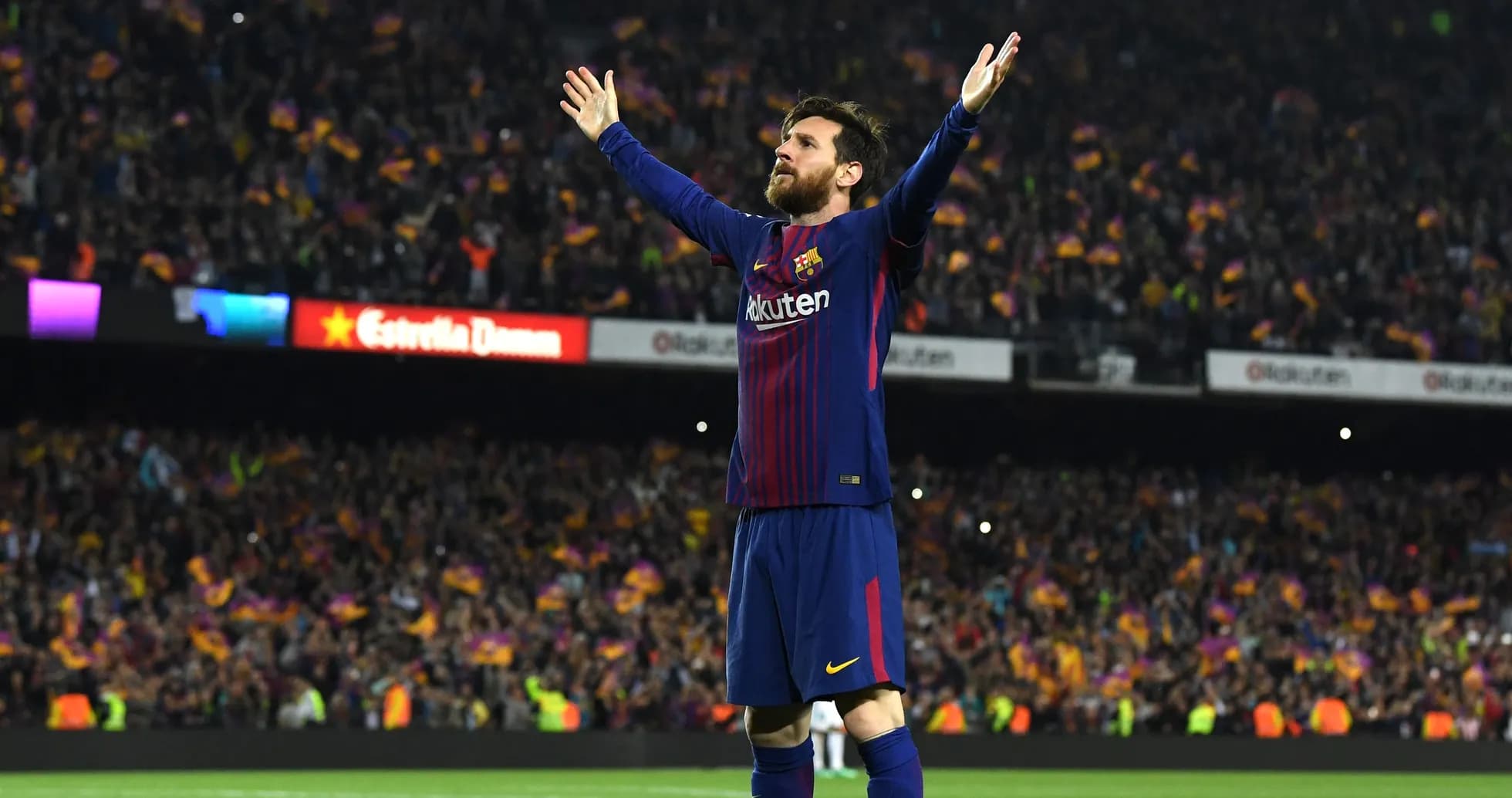
That same knife-edge runs through Lionel Messi’s decade of dominance. It almost never happened. A career that reshaped football hinged on delicate decisions, medical concerns, financial questions, and belief in a boy who was anything but guaranteed greatness.
History often hangs by a thread. Monza shows it in images; Messi shows it in moments.
Robinson’s edge and a Serena echo
Robinson’s rise comes with a nod to Australia’s tactical approach. A system, a structure, a set of demands that forced him to adapt, sharpen, and grow. He didn’t just fit into a plan; he used it as a springboard.
On another stage, someone who once played Serena Williams on screen now follows, step by step, in her real-life footsteps. That jump—from portrayal to pursuit—requires a different kind of nerve. The script is gone. Only the work remains.
Barcola, Infantino and the power games ahead
Barcola’s journey, from setbacks to the “grasshopper” tag, underlines a truth the deadline day drama sometimes hides: development is rarely linear. He bounced, he adjusted, he kept going. Now he stands as a reminder that persistence can be as decisive as talent.
At the top of the sport’s political tree, the picture is far less romantic. Division, drama and power swirl around Gianni Infantino and UEFA. Alliances shift. Agendas collide. The decisions made in these rooms will shape calendars, competitions, and careers far more than any single deadline day.
The window has closed. The talking won’t.