.svg&w=384&q=75 "logo")
Aryna Sabalenka vs Elena Rybakina: US Open Final Showdown
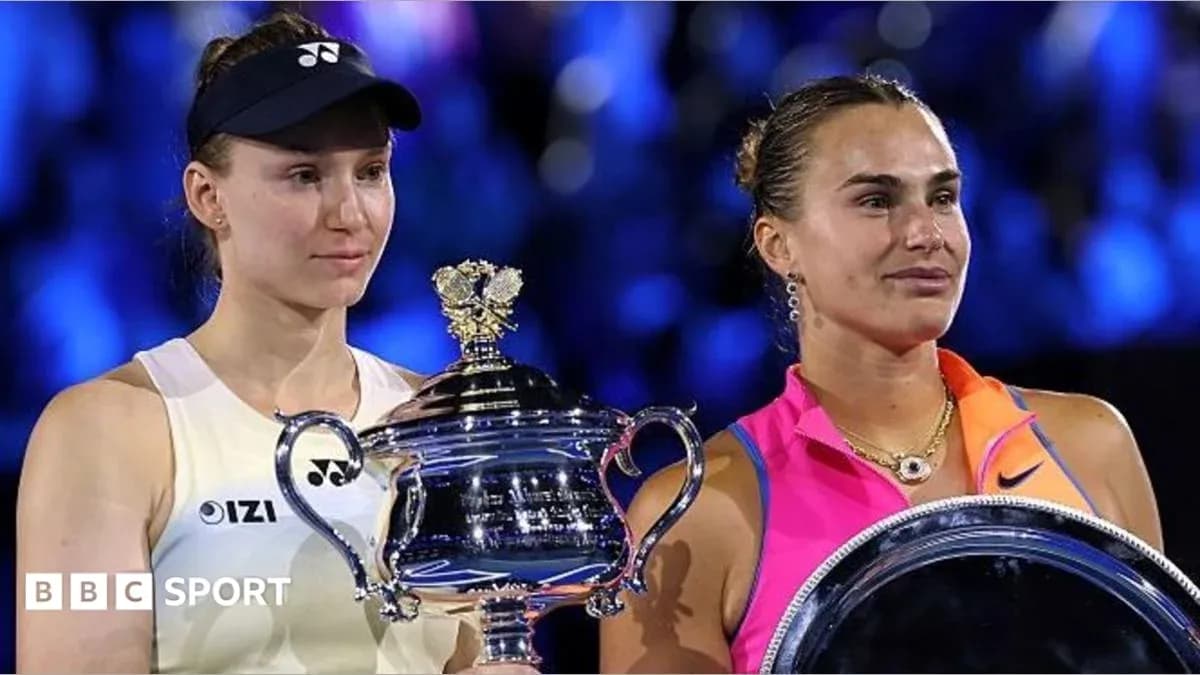
Aryna Sabalenka walked into New York knowing the maths were brutal. Win the US Open, and she might – might – keep Elena Rybakina behind her. Anything less, and the world number one ranking was gone.
In the end, it didn’t matter. By the time the two women step on court for Saturday’s final, the equation is already settled. Rybakina, the cool destroyer from Kazakhstan, locked up top spot the moment she reached the semi-finals. Sabalenka’s 99-week reign is over before the first ball of the title match is struck.
And that, for a competitor wired like Sabalenka, cuts deep.
A rivalry with real bite
This isn’t just a final. It’s a running feud at the sharp end of the women’s game.
Rybakina took the Australian Open from Sabalenka in January, a win that set the tone for the season and, ultimately, this ranking shift. She has already done the damage on paper; now she can twist the knife in prime time in New York.
Former British number one Annabel Croft summed it up on BBC Radio 5 Live: “It is going to be red rag to a bull for her – she is not going to be happy. Now she has the opportunity to end this year on a high.”
Sabalenka has hit back since Melbourne, beating Rybakina in Indian Wells and Miami. Those victories kept her season from unravelling and kept the rivalry from becoming one-sided. Now they meet for a fourth time this year with everything on the line except the ranking itself.
The title, the statement, the psychology of 2025 – all of that is still in play.
Chasing history as the crown slips
For all the noise around the rankings, Sabalenka has another target in New York. She is trying to become only the third woman in the Open era to win the US Open singles title three years running – a slice of history that would sit comfortably alongside her four Grand Slam trophies.
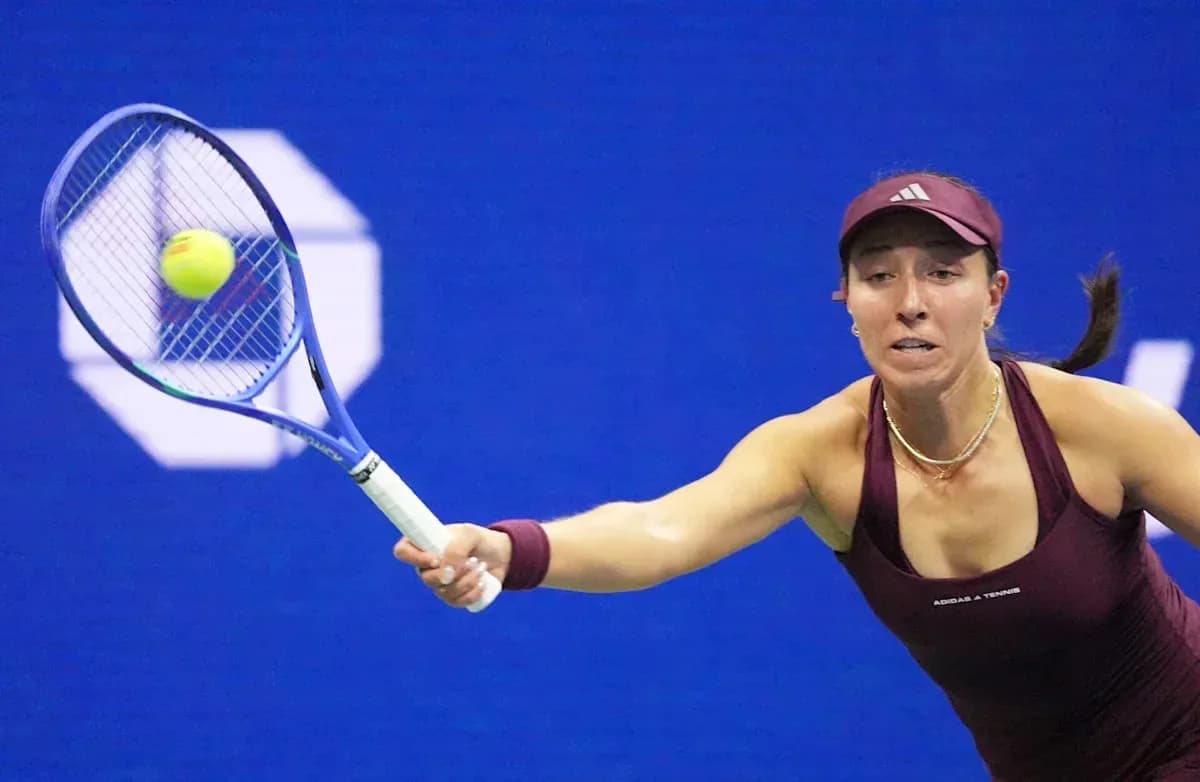
Her semi-final display against American third seed Jessica Pegula suggested that, when the stakes rise, so does she. That performance was her sharpest in months: big serves landing, forehands ripping, the clenched-fist fire back in her body language. The tension that had crept into her game over the summer seemed to melt under the lights.
Afterwards, she joked that losing the number one ranking didn’t bother her. Anyone who has watched her grind for nearly 100 weeks at the top will know that’s only half the story.
Her coach Anton Dubrov made that clear.
“I actually like this [losing the ranking] happened. It’s ended and it’s extra fuel,” he said. “There is no more extra draining [of mental energy] or thinking about it. There’s a next chapter right now. You have to chase again. It’s extra motivation for you. Just go and get it.”
The burden of defending, of clinging on, has gone. Sabalenka arrives in this final not as the hunted, but as the hunter again.
Cracks, collapses – and a reset
That shift in mindset matters because the past five months have exposed a side of Sabalenka that had largely disappeared from the tour: vulnerable, erratic, unable to close when it counts.
She has let winning positions slip against players she was expected to beat. The most glaring came in Paris. In the French Open quarter-finals, she led 25th seed Diana Shnaider by a set and a double break, only to spiral to a 3-6 7-5 6-0 defeat. It wasn’t just a loss; it was a collapse.
Earlier in the clay swing, she wasted six match points against Hailey Baptiste in Madrid. In Rome, she took the first set from Sorana Cirstea and still found a way to lose. Those are the kinds of matches Sabalenka had largely cut out of her repertoire during her rise to the top. Suddenly, they were back.
The wobble didn’t stop on the dirt. On the North American hard courts, she again let a lead slip against 20-year-old Czech Sara Bejlek in Cincinnati, this time going down in straight sets despite holding clear advantages.
The pattern was obvious: control, then doubt, then the door flung open for the opponent.
Yet inside Sabalenka’s camp, there was no alarm, no sweeping overhaul. High performance coach Jason Stacy described a team that chose patience over panic.
“We all understand that this is just part of the thing,” he said. “We just give her space to be herself, help her figure out what might work for her right now. Giving her that freedom, but also knowing that she has the guidance of all of us, I think that just gives her a power that few are lucky enough to have.”
They opted to trust the work, trust her temperament, and wait for the storm to pass.
Bull, matador, and a new chapter
Now comes the test of whether that approach pays off when the pressure is at its fiercest.
Rybakina arrives as the new number one in waiting, the player whose consistency and big-match poise have defined the season. Sabalenka walks into the final as the dethroned champion, chasing history and payback in the same breath.
The ranking battle is settled. The psychological battle is not.
For Sabalenka, this is no longer about clinging to status. It’s about proving that losing the crown has sharpened her rather than broken her, that the collapses of the past months were a phase, not a pattern.
Red rag to a bull, as Croft put it. On Saturday night in New York, the sport finds out exactly how dangerous that bull still is.