.svg&w=384&q=75 "logo")
Aryna Sabalenka Dominates Polina Iatcenko at US Open
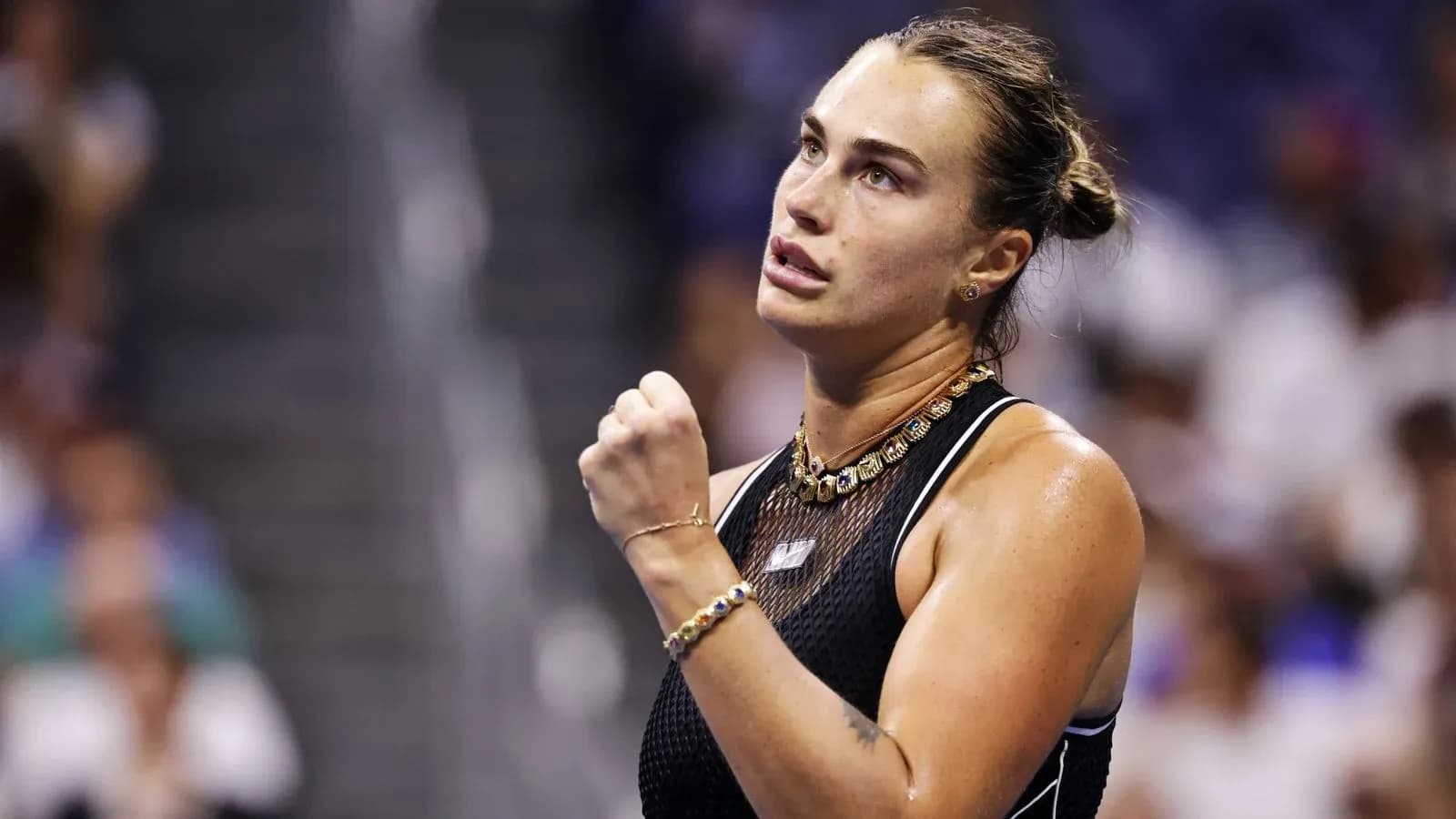
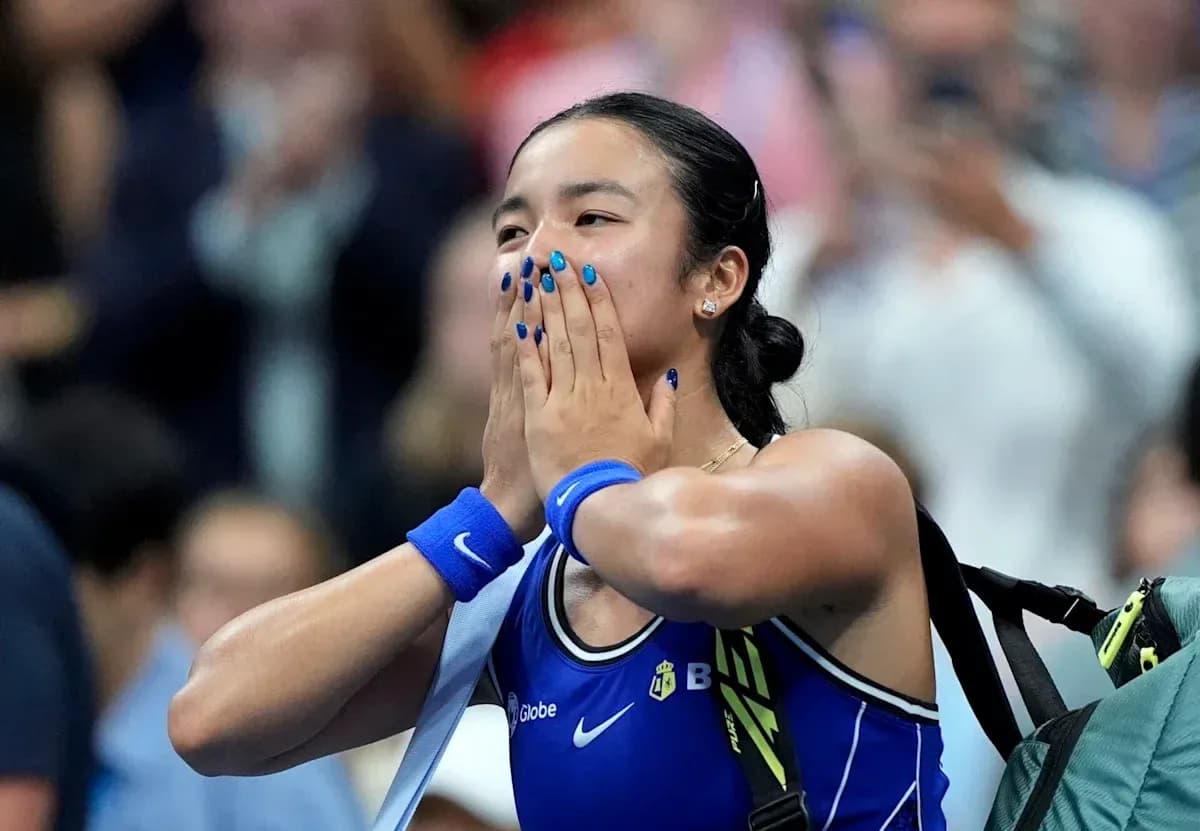
Aryna Sabalenka needed just 53 minutes to crush Polina Iatcenko under the Arthur Ashe lights. She needed far less time to lose patience in the press room.
The world No 1, chasing a third straight US Open crown, dismantled the Russian qualifier 6-1 6-1, extending her New York winning streak to 16 matches. It was ruthless, cold‑blooded tennis from a player who has turned Flushing Meadows into her personal fortress.
Then came the questions.
Sabalenka bristles at off‑court scrutiny
Sabalenka has been a conspicuous presence off the court this fortnight, front and centre at sponsor events, active on social media, her schedule as packed as her forehand is heavy. After her first-round win she had already faced a line of questioning about whether those commitments threatened her preparation.
It returned on Thursday. She shut it down.
"You guys are, like, a joke," she snapped when a reporter again raised her pre‑tournament activities and suggested there had been "parties" and "fun".
"Parties, fun. Like, why would you even say that? Why would you even think about that? What kind of question is that?
"Just because I posted, like, some activities with brands, and you think that I've been partying, not training? The question, like, what is that?"
When the reporter tried to clarify – "I'm saying that there are a lot of events and things like that. I'm not saying you go to the parties" – Sabalenka cut in: "You literally said that. Next question."
The exchange grew increasingly awkward.
"For everyone who is unclear, I'm not suggesting that Aryna is having fun at these parties," the reporter added.
"Thanks, yeah," Sabalenka replied, her irritation obvious.
"I'm saying that she makes a lot of appearances and there's a lot to do and lots of events, OK?"
"OK. Move on," came the answer.
The next question hardly helped.
"So, now that the tournament has started, do you find you're getting quite serious and combative?"
Sabalenka’s response was ice-cold. "Oh, yeah, I wasn't serious before that. Next question. Think before you say stuff."
On court, there is no doubt about her focus. She is bidding to join Serena Williams and Chris Evert as the only women in the Open Era to win three consecutive US Open titles, and next faces Uzbekistan’s Kamilla Rakhimova on Friday, hunting a 17th straight win at Flushing Meadows.
Off court, she made one thing clear: she will decide how her preparation looks, not the press room.
Alcaraz powers through after slow start
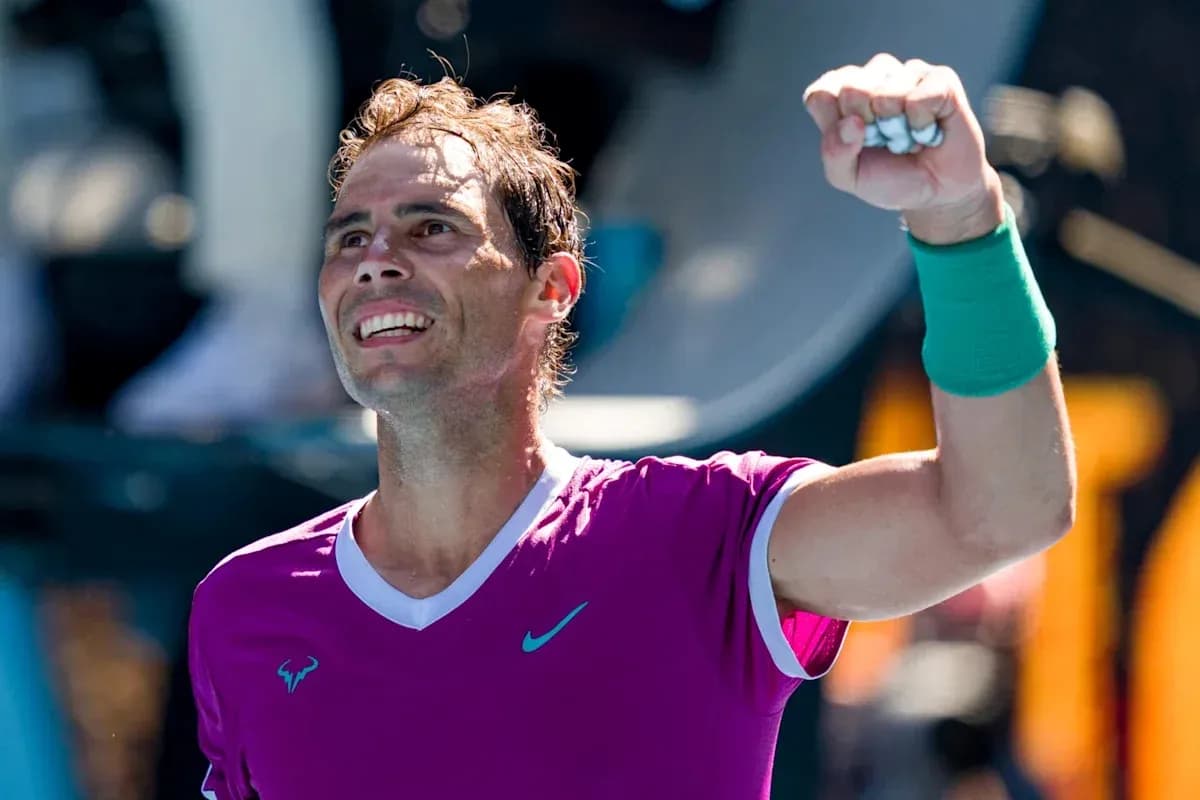
If Sabalenka’s night was straightforward between the lines, Carlos Alcaraz took the scenic route before imposing his authority.
The defending champion dropped the opening set to Portugal’s Jaime Faria but then flipped the match on its head, surging to a 4-6 6-0 6-3 6-2 victory and a place in the third round.
The turning point came quickly. From a set down, Alcaraz rattled off eight games in a row, suffocating Faria with pace and variety. Once he found his range, the contest felt inevitable.
"After that I just tried to be focused, tried to stay calm and I'm thinking that good things are going to happen again," said Alcaraz, who is now on a 16-match winning streak in Grand Slam tournaments.
His wrist, the source of a long injury layoff, looked solid. His movement, as ever, electric. The defending champion is beginning to resemble himself again – and that is bad news for the rest of the draw.
Buse revives a family story
On Court Six, another narrative quietly took hold.
Peru’s Ignacio Buse, the 32nd seed, needed five sets and three hours 48 minutes to win his first US Open main-draw match, beating American Marcos Giron 3-6 6-3 6-3 6-7(6) 6-1.
The manner of the finish said everything about his nerve. At the end of a long, draining contest, Buse closed it out with a backhand volley, sparking loud cheers from his team and a pocket of fans who had stayed with him through the swings.
For Buse, it was more than a personal milestone. He added a new chapter to his family’s history in New York, following in the footsteps of his grandfather, who last won a match at the US Open back in 1958.
"It's difficult to find the calm in those situations, but in the fifth set, I just tried to recover mentally," he said. "It's a mental battle out there. I just stayed calm. It's a very special moment."
Nearly seven decades on, the surname is back on the winners’ list.
Tsitsipas and Tiafoe dig in
Stefanos Tsitsipas also found himself in a fight. The Greek, who had stunned 10th seed Arthur Fils in the first round, needed four sets to subdue South Africa’s Lloyd Harris, coming from behind to win 6-7 (1-7) 6-3 7-6 (7-4) 6-4.
He tightened his game after a loose opening tiebreak, served with greater conviction, and edged the key points in a tight third-set breaker. The reward is a third-round clash with Czech 18th seed Jiri Lehecka, a meeting of two shot‑makers who rarely take the safe option.
For the home crowd, Frances Tiafoe kept the dream alive.
The American 11th seed beat Japanese qualifier Rei Sakamoto 6-3 7-6 (7-2) 7-5, a straight-sets win that was anything but routine. Sakamoto refused to fade, pushed Tiafoe deep into rallies, and forced the local favourite to produce his best in the tie-break and down the stretch of the third set.
Tiafoe’s victory preserves American hopes of ending a 23-year wait for a home men’s champion in New York. The burden grows heavier with each passing year.
For Sabalenka and Alcaraz, the weight is different: the expectation not just to contend, but to dominate. Two defending champions, two very different evenings with a microphone in front of them – and the same, unflinching target on their backs as the tournament hardens into its decisive stages.