.svg&w=384&q=75 "logo")
Arvid Lindblad's Monza Experience: A Dog Fight in Formula 1
Arvid Lindblad climbed out of the car at Monza with eighth place, a handful of vital points – and a clear message about the kind of racing he wants to see in Formula 1.
This, he said, felt more like F2 or F3. A dog fight. And he loved it.
A Monza scrap straight out of the junior formulas
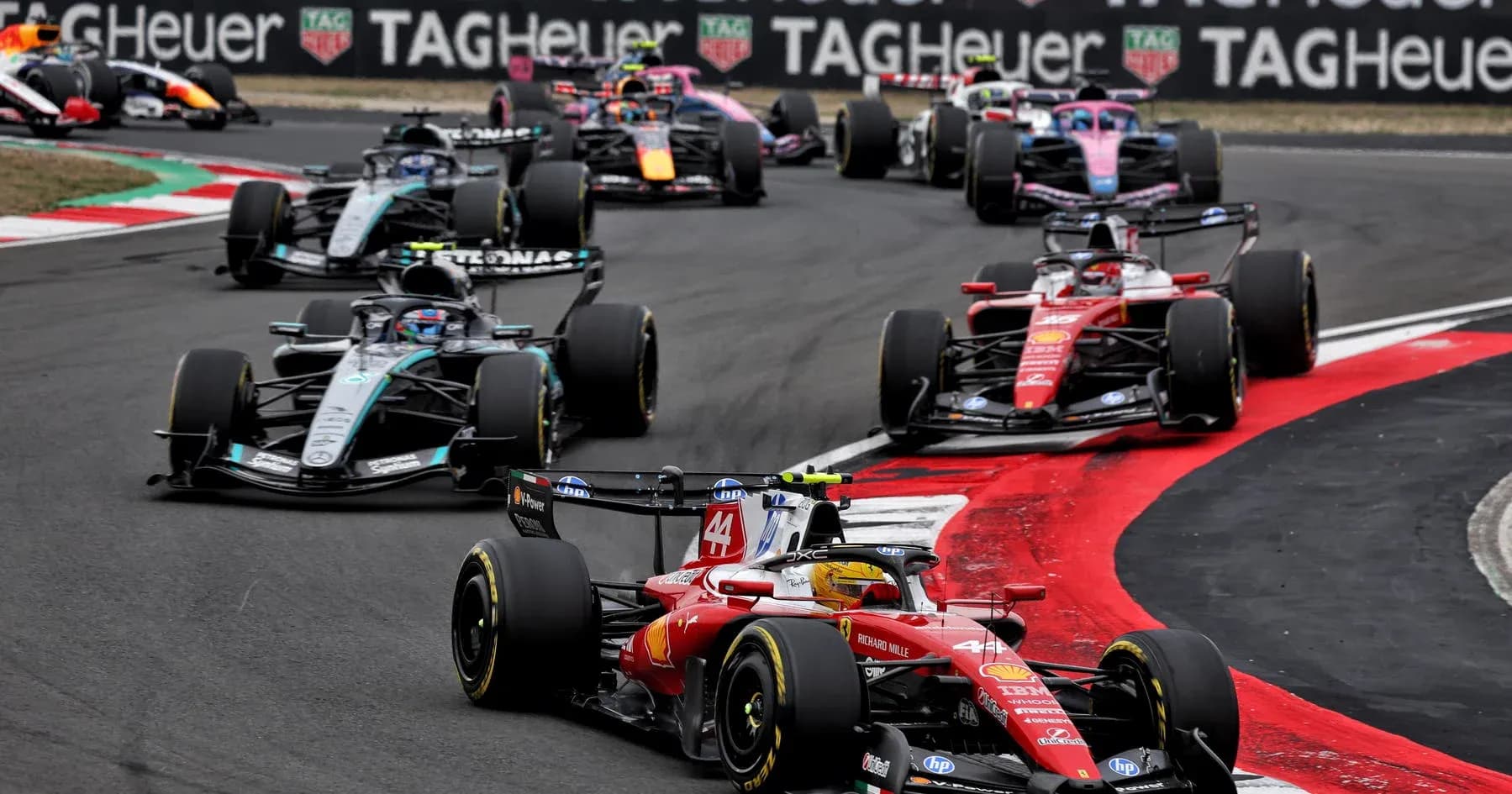
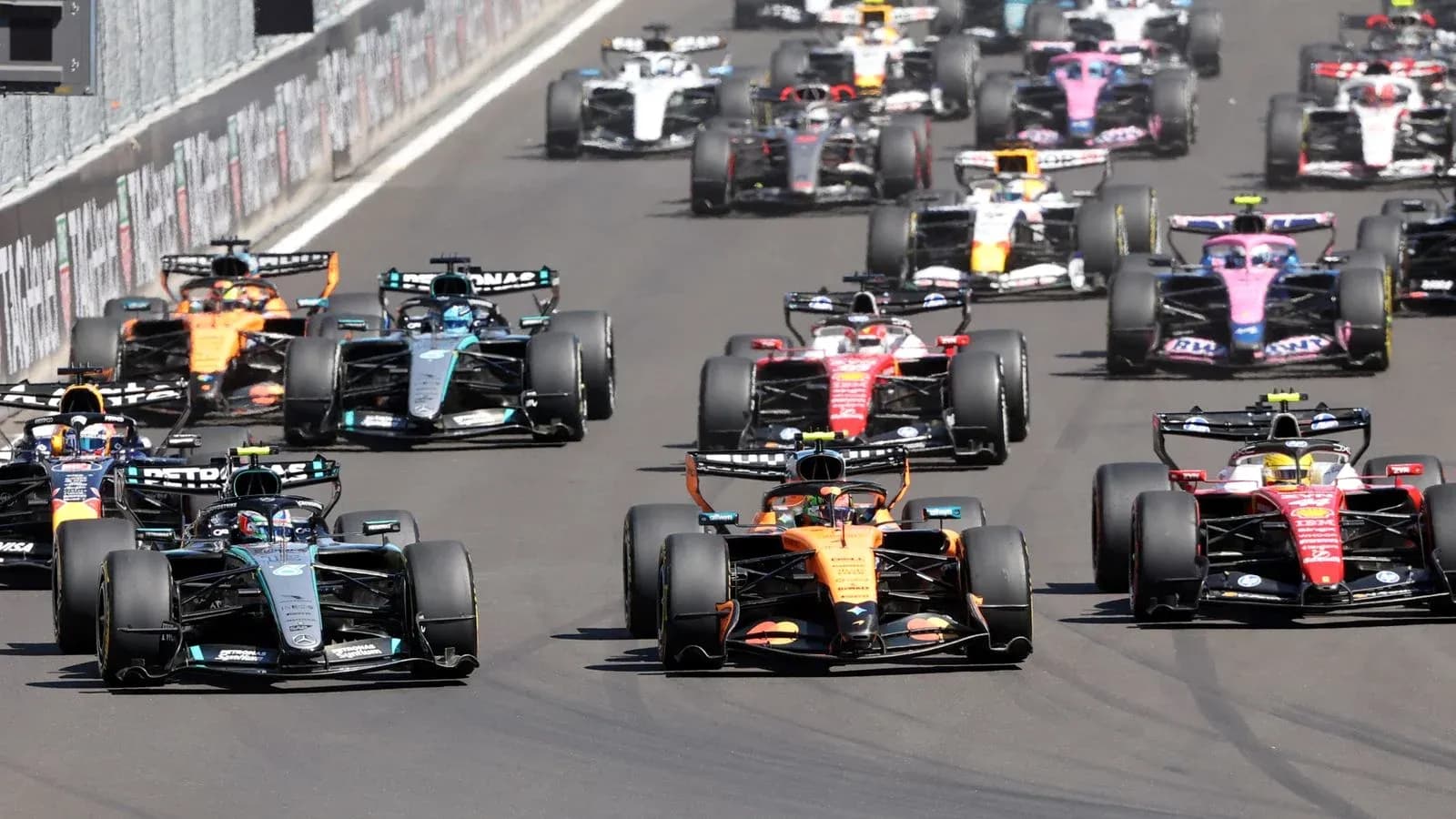
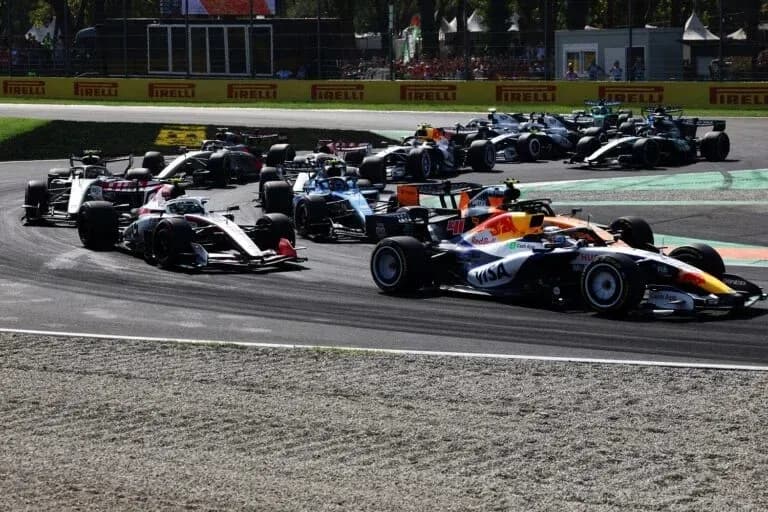
Monza’s long straights and heavy braking zones turned the Italian Grand Prix into a yo-yo contest at the front. Energy deployment, DRS timing, and slipstream games turned the lead pack into a rolling brawl rather than a neat procession.
George Russell and Andrea Kimi Antonelli set the tone in the Mercedes, locked in their own private duel. Max Verstappen, Lewis Hamilton and Oscar Piastri were never far away, trading blows and track position as the laps ticked by. Lando Norris arrived late to the party, adding yet another threat to a front group that refused to settle.
Pierre Gasly and Franco Colapinto joined in at various stages, the Alpine and Williams cars snapping at the heels of the established frontrunners. Behind them, the midfield erupted into its own series of skirmishes – until the race’s rhythm was shattered.
The red flag changed everything.
Before that stoppage, Lindblad had been right in the thick of it. After it, he found himself in no-man’s land.
From chaos to cruise
Restart, hard tyres, run to the flag. The script from there could not have contrasted more sharply with the elbows-out aggression of the opening phase.
Lindblad, in the Racing Bulls, ended up isolated in eighth. Ten seconds clear of the fight ahead. Ten seconds clear of the pack behind. No one to attack, no one to defend from. Just laps.
He did not hide how that felt.
He described the early phases as “fun” and “a bit of a scrap, a bit of a dog fight” – the kind of wheel-to-wheel combat he associates with F2 and F3, where the field rarely stretches into a single line and overtakes come in flurries rather than the occasional move.
By contrast, the closing stint left him cold. Once everyone bolted on the hard tyres and committed to the end, the gaps locked in. The race, from his cockpit, simply went flat.
He knows this kind of DRS train and energy-management battle is not necessarily the purest way to showcase overtaking in F1. It can look messy, contrived even. But given the choice between that and a sterile, single-file Sunday, he will take the fight.
Because that, as he put it, is what they are all here for.
Points on the board, damage limited
Strip away the frustration at the late lull, and Monza still counts as a job well done for Racing Bulls.
Lindblad’s eighth place, combined with Yuki Tsunoda’s 10th, kept Alpine at arm’s length in the constructors’ battle for fifth. Gasly’s seventh and Colapinto’s ninth meant the French team and Williams both scored, but Racing Bulls emerged with enough to preserve a seven-point cushion.
That matters. Especially on a circuit where Alpine simply had the edge.
Lindblad was blunt about it: Alpine were quicker on the straights, and at Monza that usually spells trouble. Racing Bulls arrived knowing this was a track that would punish their weaknesses, and the weekend largely confirmed it.
Even so, they walked away with points and minimal damage in the standings. For a team with ambitions of winning that midfield war, that counts as a quiet success.
There is a cloud on the horizon. Tsunoda’s result could yet come under threat if Audi’s appeal proceeds and goes against him. For now, though, the points stand, and the table still tilts in Racing Bulls’ favour.
Looking beyond Monza’s outlier
Monza is its own beast. Low downforce, long straights, and a slipstream-heavy style of racing that rarely reflects the rest of the calendar. Lindblad knows it. Racing Bulls know it.
That is why there was no panic in his assessment. Alpine may have had the “upper hand” this weekend, but he spoke with confidence about the car they have for the upcoming rounds – tracks where straight-line drag will not define the pecking order to the same extent.
The Italian Grand Prix left him with mixed emotions: thrilled by the early brawling, bored by the late solitude, satisfied with the points. Above all, it sharpened a wider question.
If F1’s most entertaining moments keep looking like junior-category chaos, how long before the sport leans into that – and how long before drivers like Lindblad demand that kind of dog fight every weekend, not just on Monza’s long, unforgiving straights?