.svg&w=384&q=75 "logo")
Arsenal's Transfer Window: The Search for a Forward
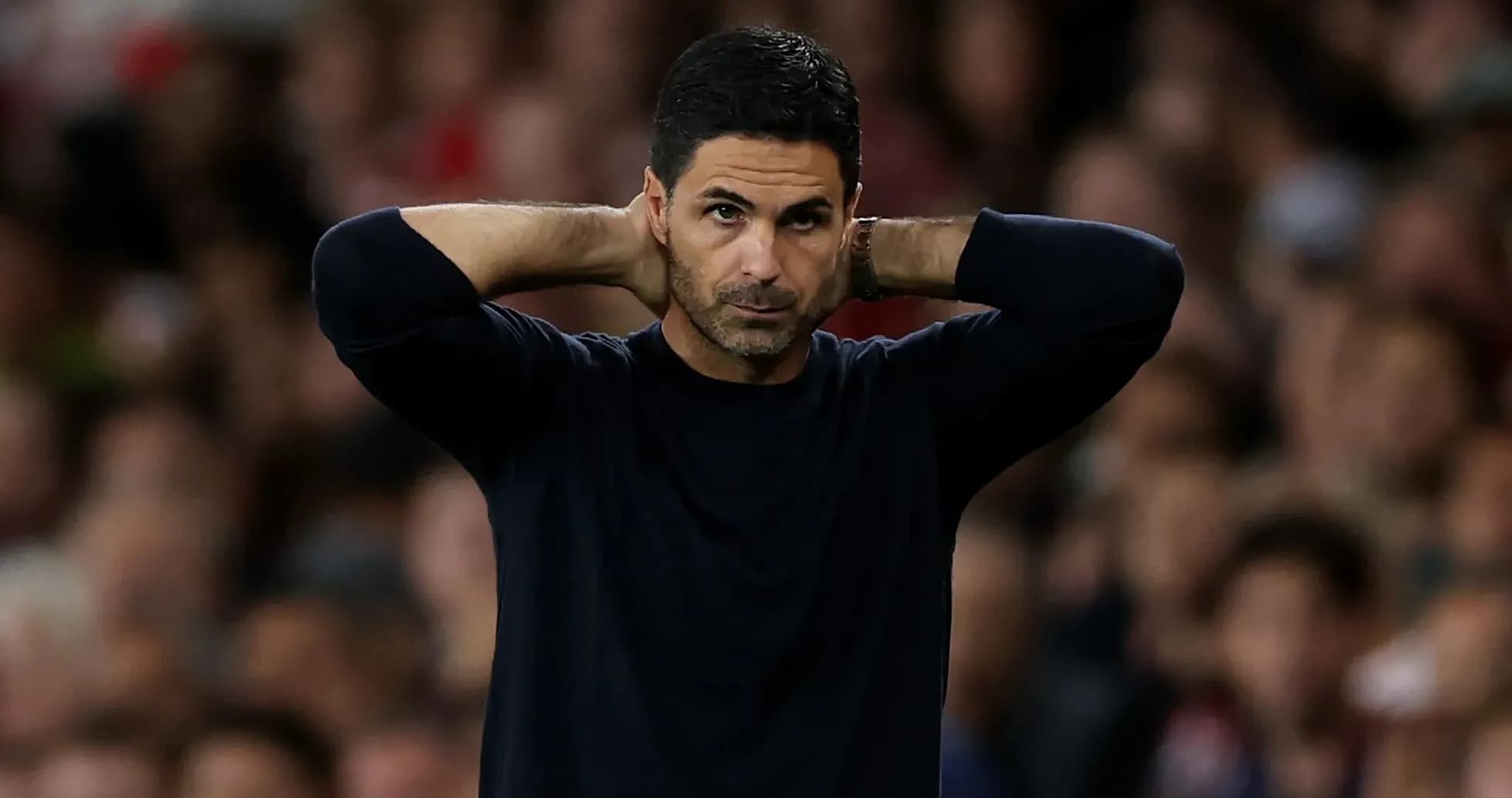
Arsenal’s summer window ended with a familiar feeling: plenty of work done, the one job that mattered most left unfinished.
Mikel Arteta wanted a forward who could tilt the biggest nights in his favour. The Champions League final defeat to Paris Saint-Germain in May stripped everything back and exposed the gap. Arsenal controlled long stretches, but when the game demanded a ruthless edge, it simply wasn’t there. That loss framed the entire window.
The club moved decisively in other areas. Bruno Guimaraes arrived to add authority and incision in midfield. Ezri Konsa brought versatility and calm to the back line. Christos Tzolis added depth and promise out wide. It was smart, targeted business.
But not the business.
The search for a headline forward quickly turned into a saga. Arsenal pushed hard for Vinicius Jr, testing Real Madrid’s resolve and stretching negotiations as far as they could. Vinicius listened, then stayed where he was, signing fresh terms in Spain and closing that door with a thud.
Attention shifted. Julian Alvarez emerged as another solution, with Arsenal engaging Atletico Madrid and probing for a deal. Alvarez, though, kept his eyes on Barcelona. The Gunners stayed at the table, but the player’s preference never really moved.
Then came the one that stung.
Morgan Rogers wasn’t just on a list; he was on top of it. Identified early as a primary target, the 24-year-old looked tailor‑made for what Arteta wanted: direct, inventive, decisive in the final third. Arsenal’s interest was longstanding, their need obvious. After England’s World Cup exit, the opportunity seemed there.
Chelsea pounced.
Sensing hesitation and armed with money, they hijacked the move, closing a deal worth £117 million. In a market where elite forwards are scarce and eye-wateringly expensive, Arsenal watched a player they had tracked “ages ago” walk into a rival’s dressing room.
On the Stick to Football podcast, Ian Wright didn’t hide his frustration. He called it as he saw it: a window that stopped short of what Arsenal truly needed.
“It’s not a disastrous window,” he said, “but if I’m Mikel, I wouldn’t be happy with how this window has gone simply because we’ve gone another window where we have not got that forward.” The PSG defeat still lingers in his mind. “Mikel has talked about getting players to take us to that level, he did it again after Paris, where we didn’t have that player to break them. That is the player Mikel wanted. They chased Vini until the end of the earth and left Morgan Rogers dangling.”
That last line cut to the heart of it. Arsenal’s pursuit of Vinicius Jr wasn’t just ambitious; in Wright’s view, it was counterproductive. While the club chased a galáctico, the player who actually looked attainable began to feel like an afterthought.
“There’s something that’s happened with Arsenal with the way they were going for Vini,” Wright added. “If you’re a player and you see a team going for him, you think, ‘I thought they were interested in me?’. Chelsea thought, well if you’re not going to pay it, we’ll pay it. I’m gutted, I would have loved him to come.”
That’s the other layer to this story: perception. Modern recruitment isn’t only about money and tactics; it’s about making a player feel central, not secondary. Wright believes Rogers would have “happily” chosen the Emirates had he been treated like the main act, not the understudy to Vinicius.
Inside the studio, not everyone agreed with his alarm. Gary Neville argued that Arsenal already have enough attacking quality, pointing to the existing cast. On paper, it’s not a weak group: Bukayo Saka, Martin Odegaard and Kai Havertz are all returning to action, all proven match-winners in their own right.
Wright refused to soften his stance.
“I think we did need Rogers,” he insisted. “You say we have got those types of players but that is what Mikel wanted. It is a position where we need that player. He is the one we were linked with ages ago and he would have loved to have come, I can feel it.”
This is where the tension lies. Arsenal’s squad is strong enough to compete, as recent domestic success shows. But the very top end of the game is unforgiving. One missed chance in a final, one tie where the opposition’s star forward finds a way and yours doesn’t, and the whole project can look short of that final, brutal piece of quality.
Arteta now goes into the season heavily tied to what he already has. No Vinicius. No Alvarez. No Rogers. The margin for error shrinks. The demand on Saka, Odegaard, Havertz and the rest of the forward line grows.
Arsenal have upgraded, reshaped and refined. What they haven’t done is solve the problem that haunted them in Paris. The question is no longer who they might have signed.
It’s whether this group, without that marquee forward, can finally break through when the lights are at their brightest.