.svg&w=384&q=75 "logo")
Armed Attack on Johan Martínez Shocks Deportivo Cali
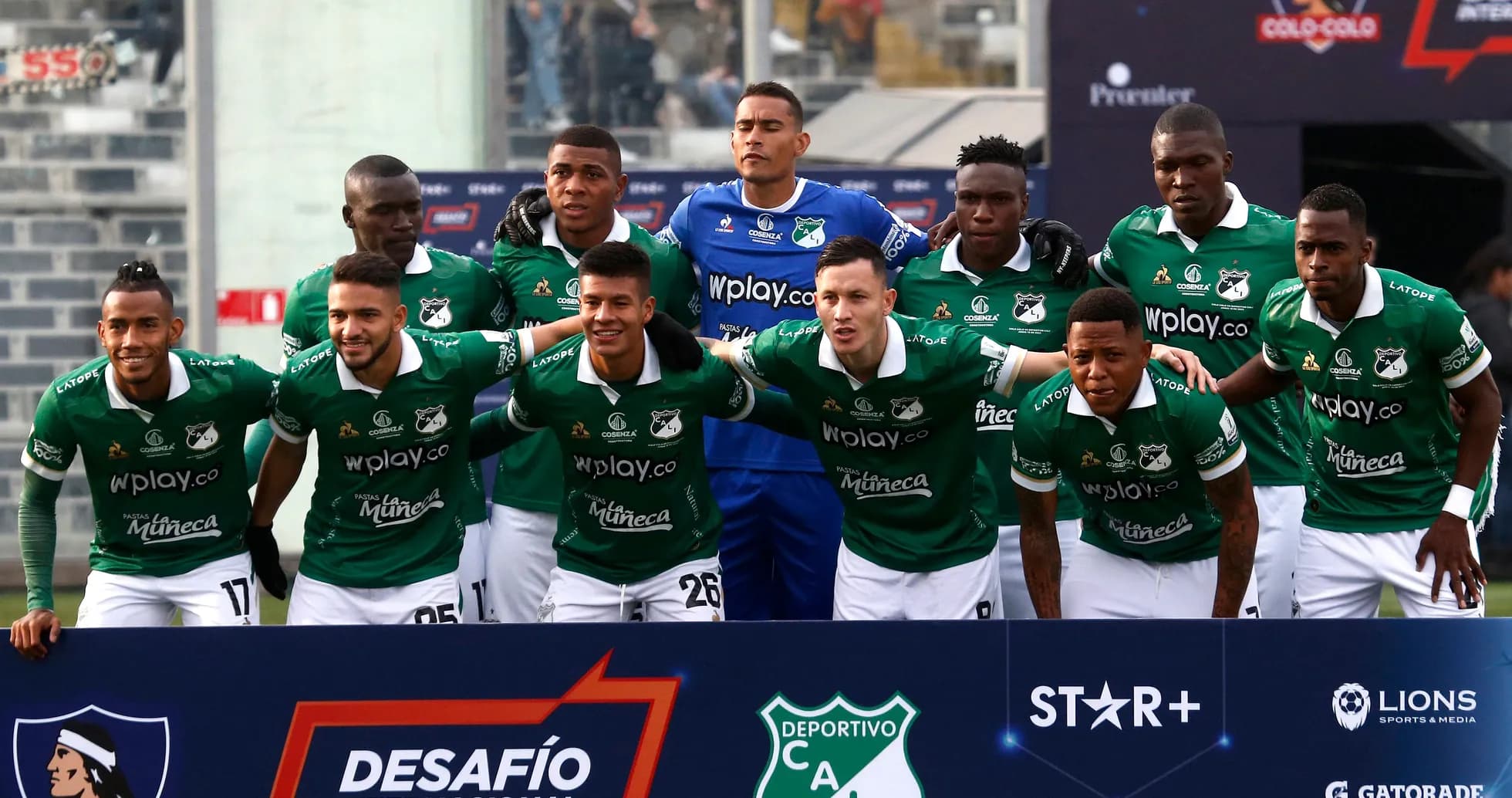
Deportivo Cali have been plunged into turmoil after Johan Martínez was targeted in a violent armed assault in Cali, an attack that has reignited the debate over player safety in Colombian football.
Martínez was travelling through the city with his family when alleged club supporters intercepted his vehicle and threatened him at gunpoint, according to reports from Marca. The ambush, carried out in front of his loved ones, left the player facing not just a weapon, but the terrifying realisation that the danger had come wearing the colours of his own club.
Cali’s response was immediate and emphatic. The Azucarero hierarchy moved quickly to stand behind their player and to draw a clear line between supporters and criminals.
In an official statement, the club declared: “Club Profesional Deportivo Cali S.A. categorically rejects the acts of violence and intimidation to which our player was subjected yesterday. Our institution expresses its full support and solidarity with Johan and his family. No form of aggression, threat, or intimidation has a place in football or in our society.”
The words were strong. The images described behind them were stronger.
Speaking to Super Combo del Deporte, club legal director Felipe Restrepo laid bare the brutality of the incident. “They intimidated him with a firearm, they assaulted him; this cannot happen, people who do this are not fans,” he said, cutting through any attempt to romanticise radicalised “barras” as part of football culture. For Cali, this was a crime, not passion.
The attack has landed in the middle of an already tense climate. Violence around Colombian football has been rising, and Martínez’s ordeal has become another flashpoint in the discussion over what guarantees, if any, exist for professional players and their families once they leave the stadium gates.
Inside the club, the first priority has been the player’s mental health. Officials confirmed that Martínez and his family are receiving intensive psychological counselling to help them process the trauma of being held at gunpoint. Despite the shock of the incident, he has reportedly rejoined first-team training and did not suffer serious physical injuries.
The scars, though, are not only physical. A dressing room watches one of its own come back from an armed hold-up, and the atmosphere changes. Trust in the environment outside the training ground erodes. Routine journeys across the city no longer feel routine.
Cali’s leadership know this. They are now working closely with judicial authorities and the Cali Police Department to clarify the motive for the attack and to track down those responsible. The club’s institutional stance has been firm; the next step is to see whether the justice system can match that firmness with action.
On the football side, the timing could hardly be more delicate. The coaching staff now carry a different kind of responsibility: not just preparing a game plan, but holding together a squad shaken by the realisation that the shirt they represent can also attract lethal hostility.
The next league fixture will test more than tactics or fitness. It will measure how a group of players, coaches, and staff respond when the boundary between the passion of the stands and the violence of the street has been brutally crossed.
For Deportivo Cali and Colombian football, the question is no longer abstract: how many more nights like Martínez’s can the game withstand before something finally changes?