.svg&w=384&q=75 "logo")
Alexandra Eala: A Rising Star in Women's Tennis
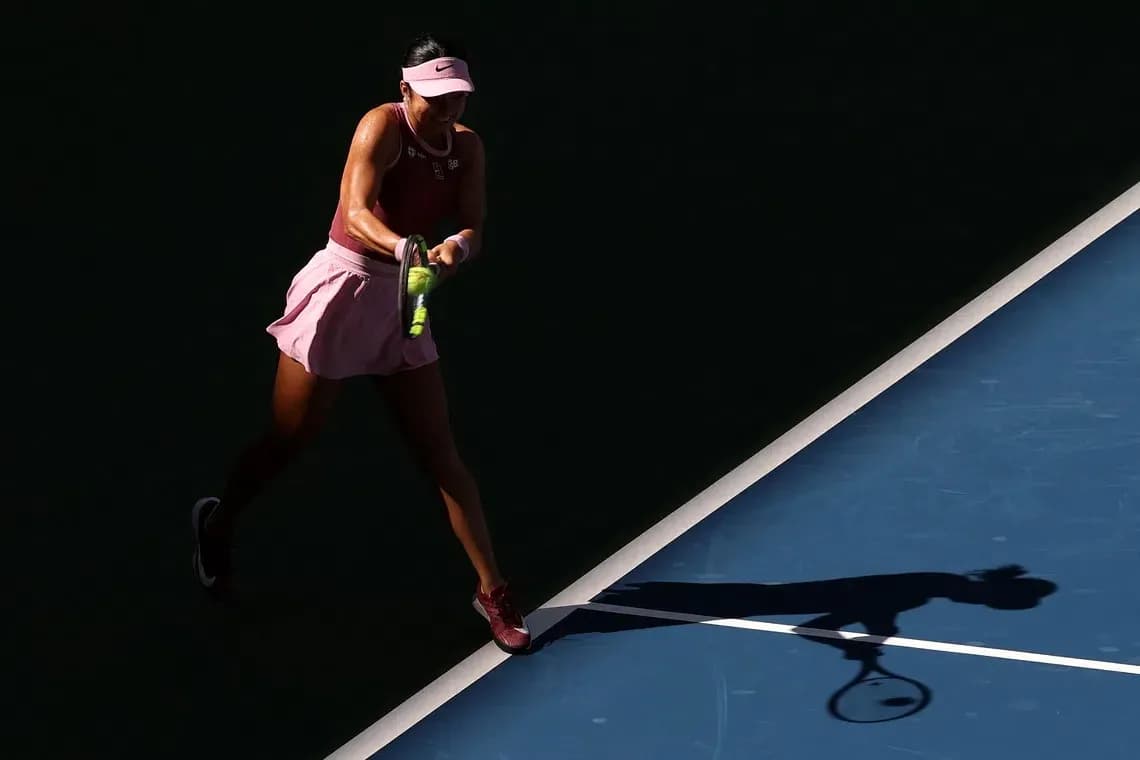
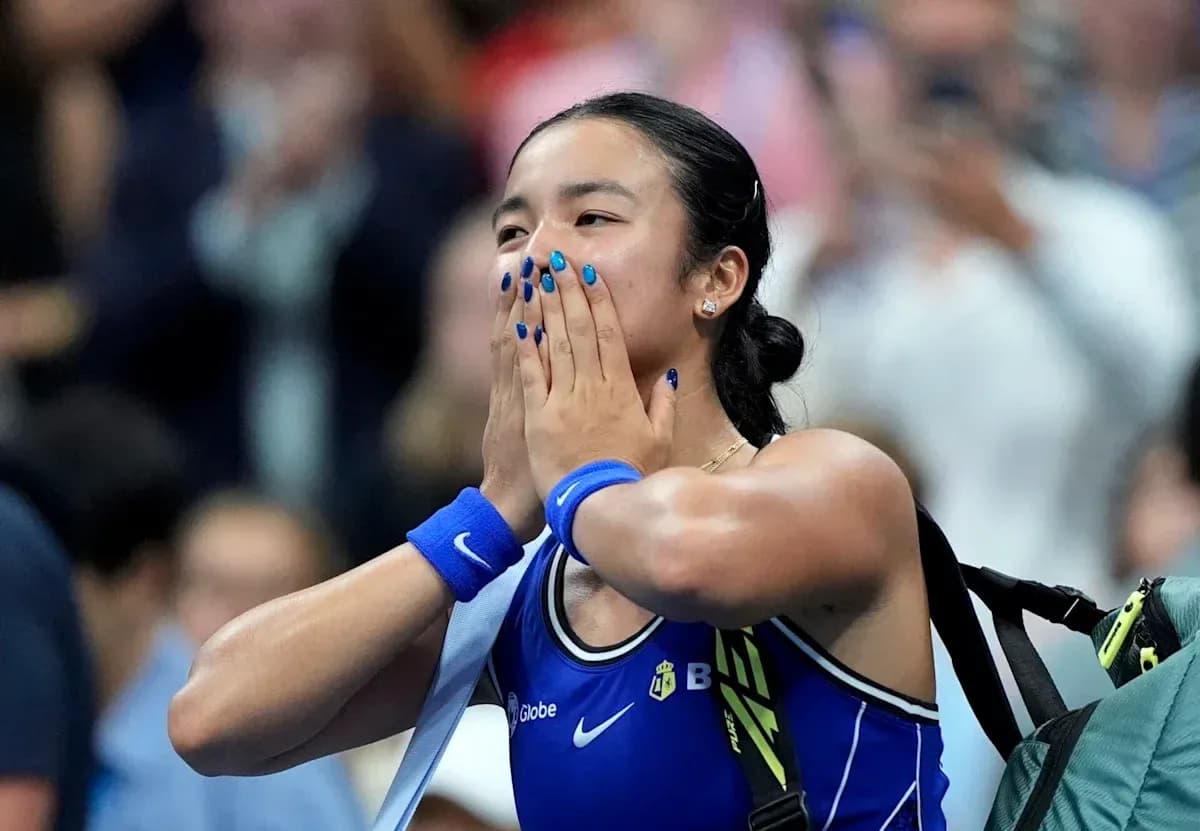
Alexandra Eala isn’t just arriving in New York. She’s bringing a movement with her.
The 21-year-old from the Philippines, already a trailblazer for her country and for Southeast Asia, heads into the U.S. Open as one of the most intriguing new forces on the women’s tour, riding a breakthrough season that has turned practice courts into events and regular matches into something closer to national occasions.
A Star Who Fills Practice Courts
Mary Joe Fernandez has watched the women’s game for decades. She’s seen stars come and go, hype rise and fall. What she’s seeing around Eala is different.
“Her following, the fans that just come to watch her not just play her match, but to watch her practice, is off the charts,” the former world number four and current ESPN commentator said on a conference call this week.
The signs have been building. At the Miami Open, practice sessions that usually draw a smattering of curious onlookers suddenly felt packed. At recent tournaments, neutral courts started to sound like partisan arenas. Each point, each rally, met with a noise that belongs more to team competitions than the early rounds of a tour event.
“It’s just gotten bigger and bigger everywhere she goes,” Fernandez said. “It’s almost like she’s playing a Billie Jean King Cup match when she’s out there. Every point is loud. Every point she wins, it feels like she’s won more than a point.”
That’s the atmosphere following Eala now: every point as a small victory, every win as a shared step forward for a country that has never had a player ranked this high.
Washington Changes Everything
The noise around her could have remained just that — noise — if the results didn’t keep pace. Washington changed that.
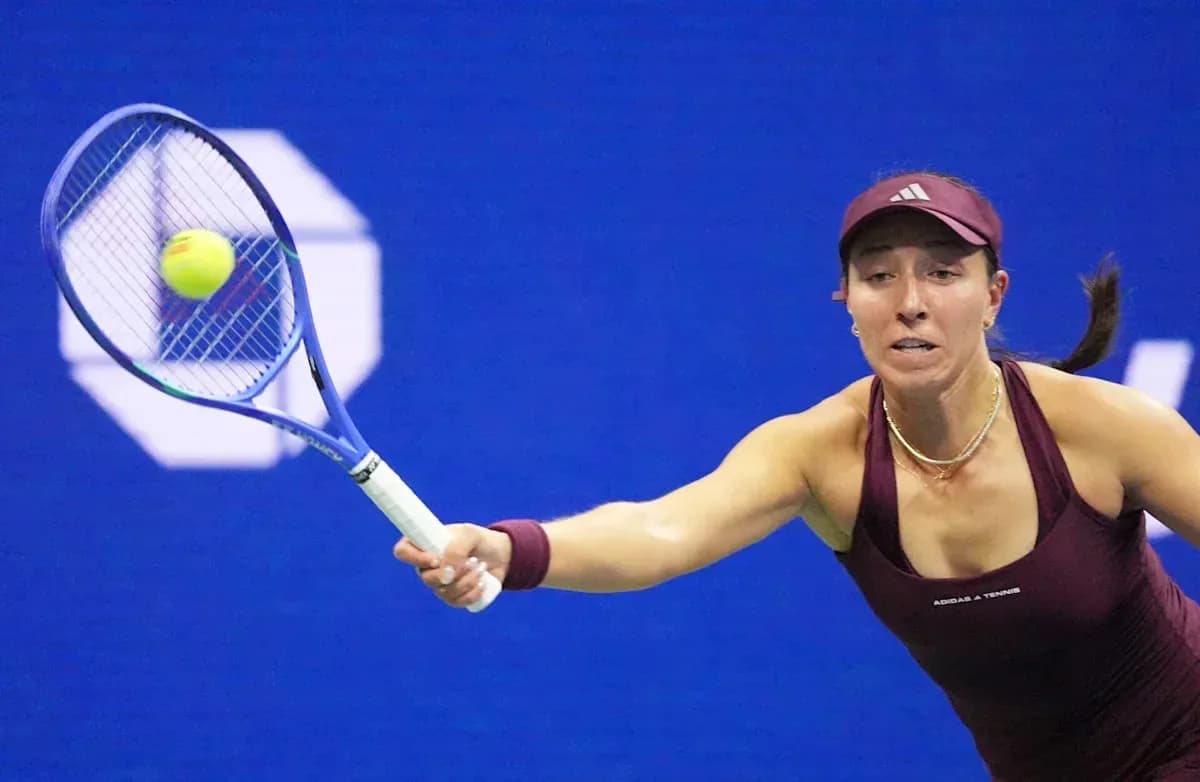
In the U.S. capital this month, Eala captured her first WTA title, a run that did far more than add a line to her résumé. She beat Elina Svitolina. She beat Naomi Osaka. Then she took down Jessica Pegula in the final to claim the trophy.
“She was outstanding in Washington,” Fernandez said. “Her game is really good. She backs it up. She’s improved tremendously… She’s getting better and better.”
That week confirmed what the growing crowds had been sensing: this isn’t a marketing story, it’s a tennis story. The footwork, the ball-striking, the composure under pressure — they’ve all sharpened. The player who used to be talked about as a promising junior is now a genuine threat in the senior game.
A New Landmark for Southeast Asia
The ranking table tells its own story. At 18 in the world, Eala stands as the highest-ranked Filipino and the highest-ranked Southeast Asian player in WTA history. That number carries weight well beyond her own ambitions.
Her rise hands the WTA a rare opportunity: a genuine star emerging from a region that has long been underrepresented at the very top of the sport. For the Philippines, and for its vast global diaspora, Eala offers something that goes beyond representation. She offers a contender.
Fernandez pointed to that potential, noting how Eala’s ascent can help build interest not only in the Philippines but across its communities worldwide. When she steps on court in New York, she will not be playing just for a ranking or a round. She will be playing for a fan base that has already turned into a movement.
Big Stage, Big Expectations
That presents a very practical question for the U.S. Open: where do you put her?
Patrick McEnroe, another ESPN voice who knows the rhythms of Flushing Meadows as well as anyone, did not mince words.
“The USTA better make sure they put her on big courts,” he said. “I think the crowd is going to be wild for her. It’s going to be a great story.”
Tournament schedulers now face the kind of “problem” every Grand Slam wants: a new name who demands a big stage, not just because of ranking or seeding, but because of the energy she drags into the arena with her.
Give her a small outside court and it will feel too small. Give her a show court and it might sound like Manila.
Eala arrives in New York as a first-time WTA champion, a top-20 player, and a standard-bearer for a region. The question now is simple: how far can this surge carry her when the lights go up at the U.S. Open and the noise around her finally matches the scale of what she’s becoming?