.svg&w=384&q=75 "logo")
Alex Eala's Viral Serve Nickname Sparks Debate Ahead of US Open
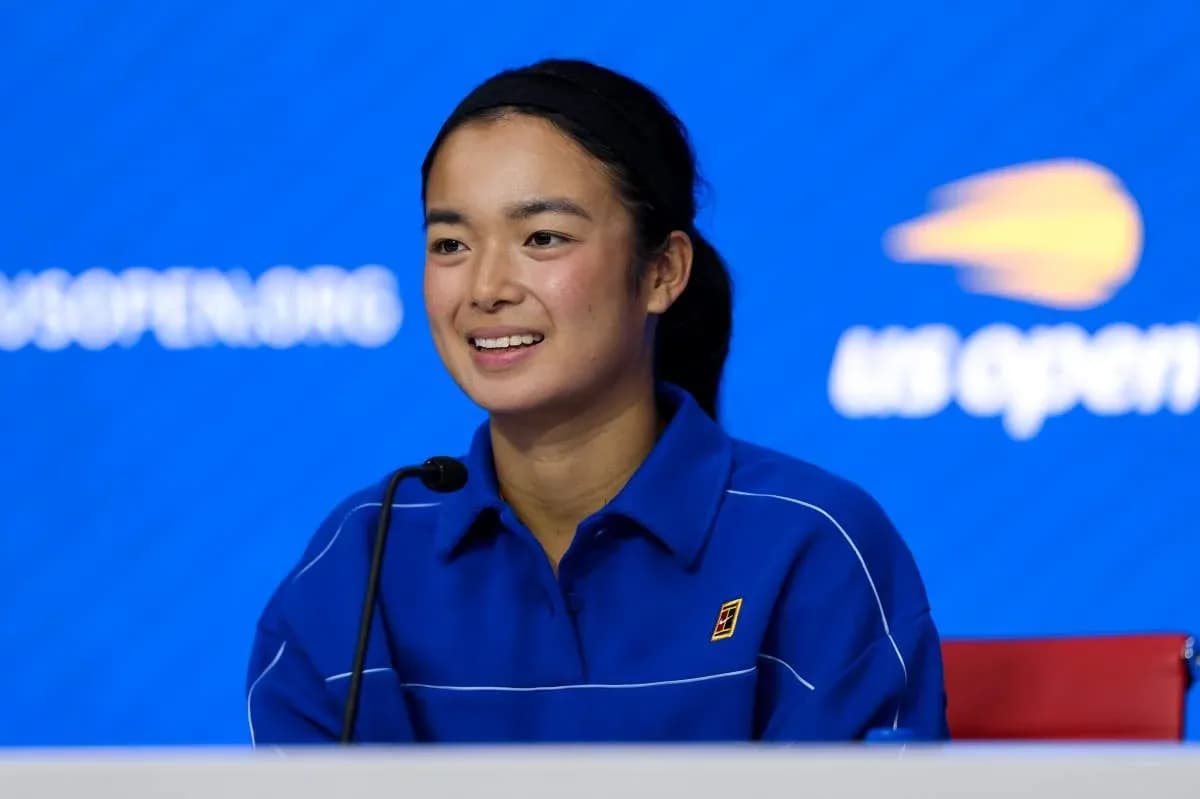
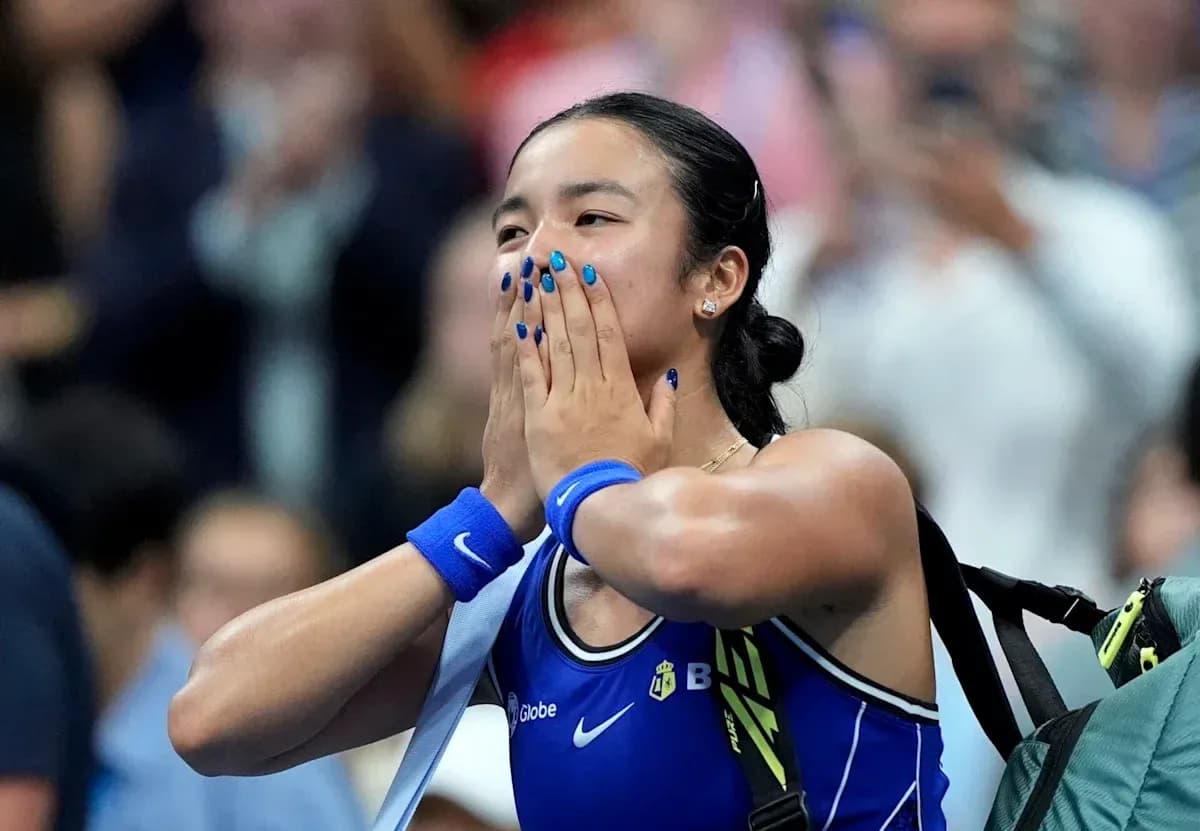
Alex Eala knows the joke. She hears the laughter. She understands why Filipino tennis fans have latched on to an irreverent nickname for her second serve.
She still doesn’t like the word.
On US Open media day, the 19-year-old was asked about “Fookelya,” the viral tag that Filipino supporters have pinned to her slower, unconventional second delivery. The term comes from Filipino gay slang and carries a vulgar reference to female genitalia. Online, it has become a meme, a punchline, a slogan on shirts.
In tennis circles, though, it has also become shorthand for something more nuanced: a serve that looks like a weakness but keeps fooling some of the best returners in the world.
A Filipino reporter in the room tried to frame it that way, explaining that fans had turned what many saw as a flaw into a secret weapon. The word, he said, had evolved from insult to inside joke, from mockery to a kind of protective charm around her serve.
Eala’s first reaction was to laugh and ask for a proper explanation. When it came, she switched to Filipino and did not sugarcoat her discomfort.
“Hindi siya masyadong positibong salita ’yon,” she said. It’s not a very positive word.
She listened, nodded, and tried to meet the fans halfway. She understood the affection. She still winced at the label.
“Hindi ko alam kung ano ’yung pakiramdam ko sa salitang ’yon kasi it’s not a very positive term,” she admitted.
In English, she unpacked why the nickname cuts close. The serve is not just a technical detail to her; it is a scar and a project. She has struggled with it for years, rebuilt it, obsessed over it, carried it through long practice blocks when the rest of her game already looked top-20 ready.
“And I love my serve,” she added. That line landed with more weight than its simplicity suggested.
From Meme to Mainstream
The “Fookelya” meme didn’t need New York to blow up. Filipino tennis social media had already done the job.
Clips of Eala floating in her second serve, only to pounce on a tentative return, spread quickly. Fans turned the nickname into a banner of defiance, a way of saying: this might not be pretty, but it works, and it’s ours.
Then the joke crossed borders.
Broadcaster Blair Henley brought it to a wider audience on the Love All Podcast, describing Eala’s serve as unorthodox yet effective and pushing back against the idea that power alone defines quality.
“It doesn’t have to look like Serena Williams’ serve to be effective,” Henley said, distilling what many analysts have seen on court.
The attention eventually circled back to Eala herself. She had a choice: bristle, scold, or absorb. She chose nuance.
“I think I would appreciate a more positive term,” she said carefully. “But I don’t think they mean it in a bad way.”
The Little Brother of Her Game
Inside her camp, the serve carries a very different nickname.
Her coach, Joan Bosch of the Rafa Nadal Academy, has asked her to treat it like a younger brother—fragile at times, in need of patience, guidance, and protection. In that metaphor, Eala is the “ate,” the older sister responsible for shepherding it through awkward phases.
“Like my coach says, it’s like my little brother,” she said. “Parang ate ako sa serve ko.”
That image explains why the viral term hits a sensitive spot. To the outside world, her second serve is a meme. To her, it is family—something she defends, nurtures, and refuses to reduce to a punchline.
She doesn’t deny its flaws. She simply insists it deserves better than a crude joke.
Why a Slower Serve Bothers the Best
The debate around Eala’s delivery sharpened once it started unsettling elite returners.
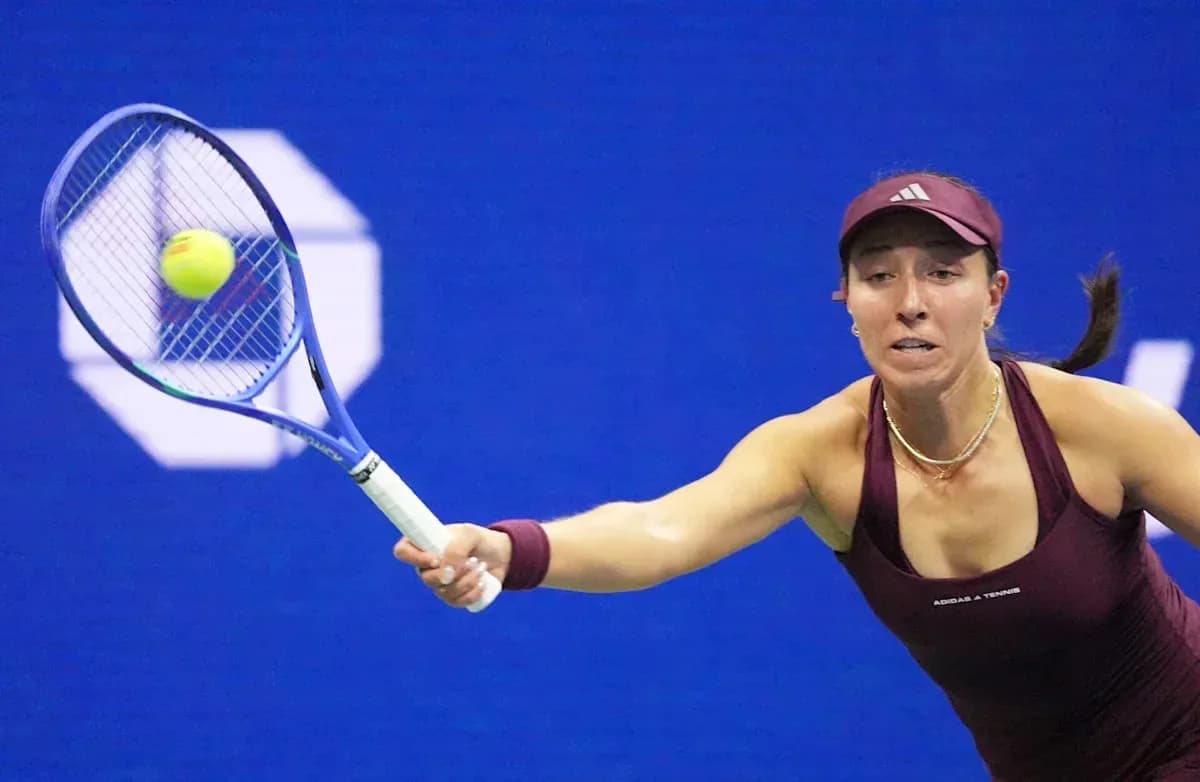
Before the Washington final, Jessica Pegula reportedly asked a practice partner to dial down his pace to mimic Eala’s serve. Pegula understood the trap: players who feast on heavy, fast deliveries suddenly have to generate their own pace against a slower, floating ball. Timing shifts. Rhythm breaks. Comfort disappears.
Iga Swiatek ran into the same problem at Wimbledon, where she fell to Eala in a result that shook the draw. Swiatek later noted that Eala began serving “slower and slower,” dragging her into a tempo she rarely faces on tour.
Former world No. 1 Andy Roddick, a man who built his career on one of the most explosive serves in history, broke down why Eala can “get away” with it. The serve, he argued, does not need to be the finishing blow. It only needs to start the point on her terms.
If the return comes back short or mishit, Eala’s clean, early ball-striking takes over. She steps in, leans on her groundstrokes, and punishes any hesitation. The serve becomes a decoy. The real damage comes on the next shot.
Not everyone is convinced that this version of the serve can carry her to the very top.
Veteran coach Rick Macci, who helped shape Serena and Venus Williams, offered a more severe technical reading before her US Open opener. He praised her movement and her ability to take the ball early but wrote that her serve “biomechanically has to be rewired” for her game to climb another level.
He also warned of the emotional weight she will feel in New York, predicting an “Eala Earthquake” as her growing fan base rallies around her first-round match.
Roddick sees why the serve works today. Macci sees what it might become if she tears it down and builds it again. Both can be right.
New York Spotlight
Eala arrives at the US Open carrying the highest ranking of her young career: No. 18 in the world, seeded 17th in the women’s singles draw. The number beside her name guarantees nothing. It does guarantee scrutiny.
Every delivery in New York will be dissected—its speed, its placement, its looping rhythm that refuses to fit neatly into the WTA template. Every second serve will carry not just tactical importance, but cultural baggage.
She opens against American qualifier Mary Stoiana, a familiar opponent whom she beat 7-5, 6-2 at the W100 event in Landisville, Pennsylvania, in 2024. That match offered a preview: Stoiana knows what’s coming, knows the pace, knows the patterns. She still has to solve it.
The nickname will almost certainly follow Eala through the gates at Flushing Meadows. It will be whispered in Tagalog in the stands, printed on shirts, tossed around on social media with every double fault and every clutch hold.
Eala is not asking anyone to stop celebrating her serve. She is not trying to shut down the meme, or scold the people who created it. She only wants the language around it to evolve the way the shot itself has evolved.
If her serve is the little brother of her game, she wants it called by a name that reflects the same stubborn affection she has for it. The next two weeks in New York will show whether the tennis world is ready to see it that way too.