.svg&w=384&q=75 "logo")
Alex Eala's Impact on Tennis Culture
The noise hit first.
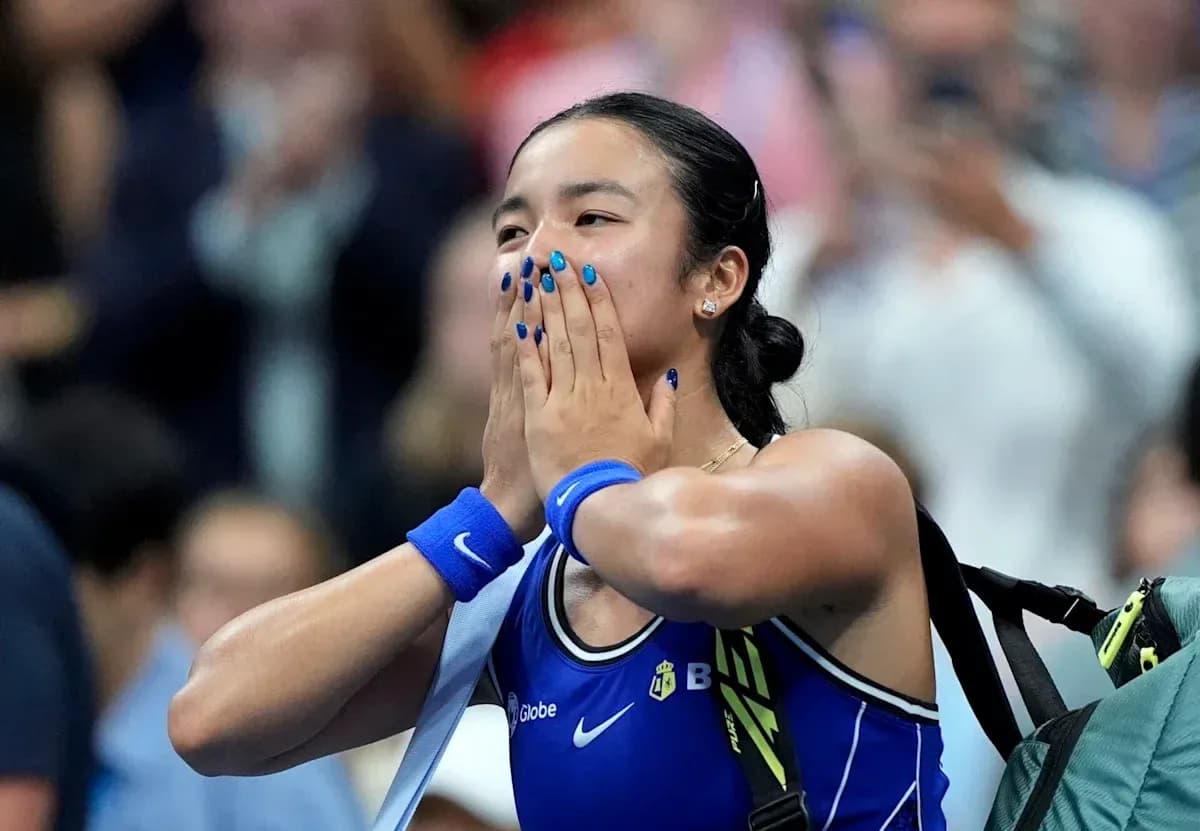
Not the polite murmur that usually hangs over Louis Armstrong Stadium, but a rolling, relentless sound — drums of voices, shrieks after points, Tagalog and English blending into something closer to a basketball crowd than a tennis audience. At the center of it all stood Alex Eala, the 19-year-old carrying a flag as much as a racket.
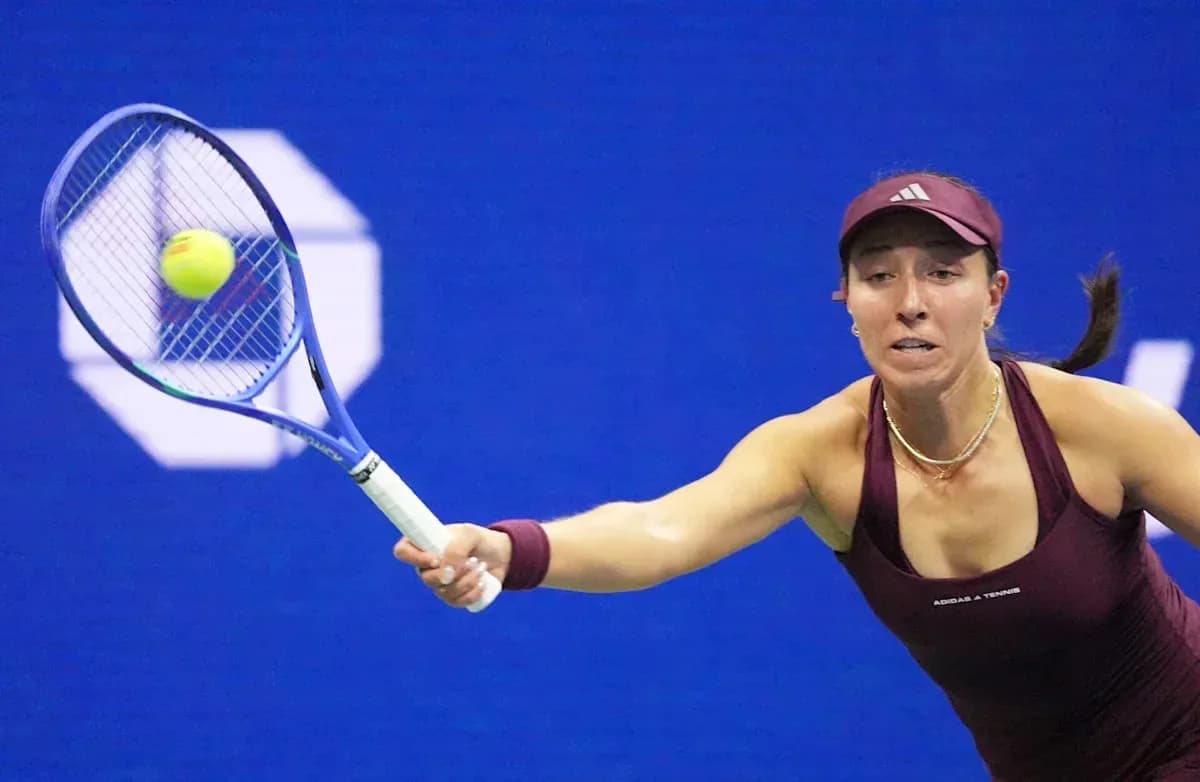
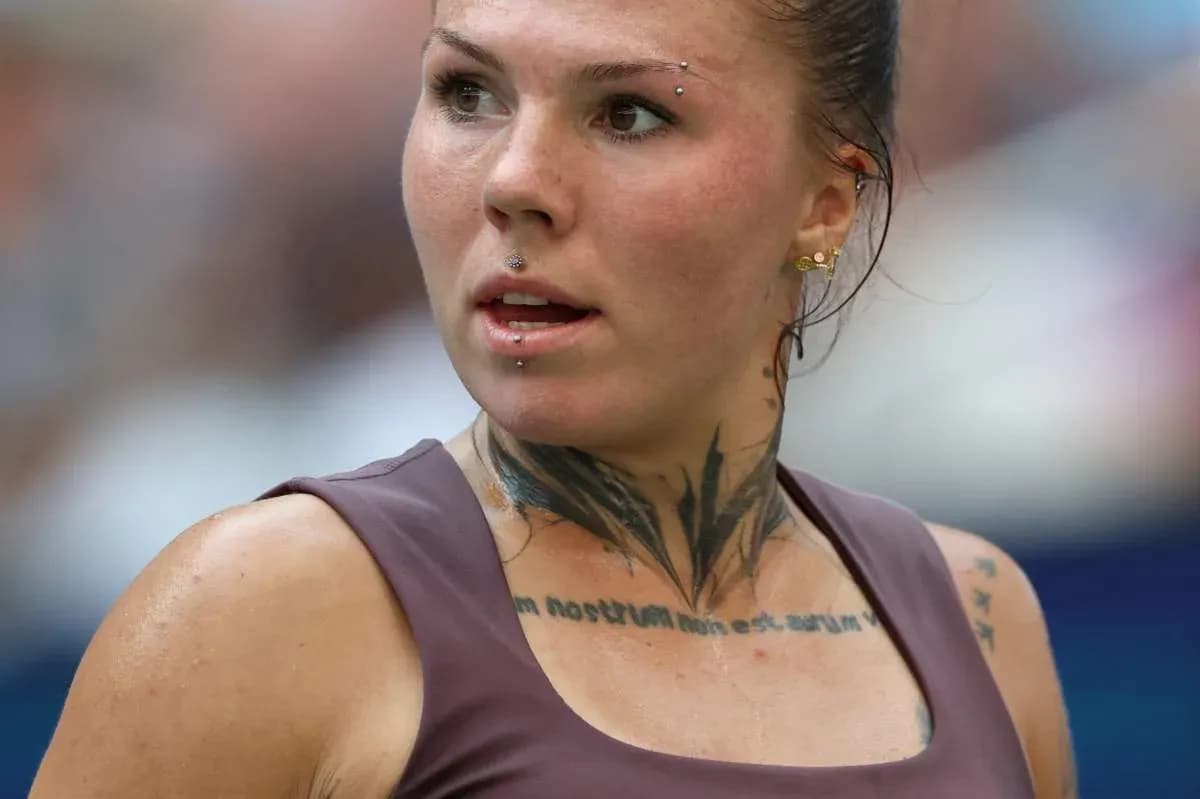
Across the net on Thursday, Oleksandra Oliynykova had the best – and most unforgiving – seat in the house.
Eala beat her 6-1, 6-4, a straightforward scoreline in a decidedly untraditional setting. For two sets, the Ukrainian walked into a wall of partisanship: Philippine flags everywhere, kids in Eala shirts, signs apologizing for the volume even as they promised more of it. The kind of crowd that cheers double faults and gasps mid-rally, then has to be shushed by ushers.
Hours later, there was no complaint from Oliynykova. No lecture about decorum. She logged onto Instagram and did something else entirely.
She thanked them. In three languages.
“Mahigpit na yakap sa aking mga tagahanga sa Pilipinas!” she wrote. “Napakainit ng inyong pagmamahal, napakatapat, at talagang kahanga-hanga kayo!”
A tight embrace to her supporters in the Philippines. Praise for their warmth, loyalty, kindness. From the woman they had just spent the afternoon trying to shout into submission.
In a sport that clings to its codes, that small gesture said a lot.
A New Soundtrack for an Old Sport
Tennis has always prided itself on etiquette. Silence on the toss. Silence through the rally. Polite applause after the point. Anything louder belongs to the outer courts, the late-night sessions, or the rare Davis Cup tie that feels like a football match.
Eala’s following has walked straight through that unwritten rulebook.
The Washington Post recently detailed how some of her newer fans have cheered double faults, called out during points, and needed reminders about when to keep quiet. One sign at this year’s US Open captured the tension perfectly: “Sorry we’re loud. We’re Filipino.”
For some traditionalists, that line is not a joke. It is a provocation.
Philippine outlets have responded by publishing primers on tennis etiquette, explaining why you do not scream mid-serve, why you wait for a point to end before yelling. There is a clear line between passion and interference. Players deserve space to compete without distraction.
But that is only half the story.
Because Eala is drawing people who never saw themselves in this sport. Families from Queens and New Jersey arriving draped in Philippine flags. Children who know her not as a name in a draw sheet, but as the reason they picked up a racket. One woman told USOpen.org her granddaughter started playing tennis because of Eala.
This is not just noise. This is new blood.
On Thursday, Louis Armstrong felt it. The tournament itself called the scene a “Filipino party,” and that was exactly the atmosphere: music of voices, color in the stands, a sense that this corner of the US Open belonged, for two hours, to a different sporting culture.
That is how a sport grows — awkwardly at first.
The Opponent Who Saw Beyond the Roar
In that kind of cauldron, the opponent usually becomes the villain by default. Oliynykova never had that look. She competed, she lost, and then she went for a walk around the grounds.
What she found surprised her.
“I went for a little walk around the US Open grounds, and it was incredibly heartwarming to see how many people came up to me with kind words,” she wrote on Instagram. She spoke of an “incredible number” of messages and comments, of fans who had roared for her defeat but then turned around and made sure she felt supported.
The same crowd that had thrown its full weight behind Eala did not turn its back on the woman on the other side of the net. They simply shifted tone. The intensity of the match gave way to the warmth that runs deep in Filipino culture: fierce loyalty in battle, open-armed hospitality once it ends.
Oliynykova saw that clearly enough to respond not just in English and Ukrainian, but in Filipino. She did not have to. She chose to.
It was a subtle but pointed answer to those who see only chaos in Eala’s section of the stands.
Tradition Meets a New Reality
There is a reason this moment feels uncomfortable to some corners of tennis.
Eala’s rise has not only brought more fans; it has brought a different kind of fan. Younger. Louder. Less familiar with the sport’s rituals, more familiar with the energy of basketball arenas and boxing nights. The kind of supporters who do not instinctively whisper when they step into a stadium.
That does not mean every breach of etiquette gets a free pass. Silence during serves and rallies is not negotiable at the professional level. Fans can and should learn that. Tournament organizers, broadcasters, and national federations have a role to play in teaching it.
But dismissing this wave of support as simply disruptive misses the scale of what is happening.
On Thursday, Armstrong became one of the loudest venues on site. Reuters described Eala as being fueled by a crowd packed with Philippine flags and Tagalog signs. It felt less like a routine second-round match and more like a statement: this sport, this stage, is no longer the quiet preserve of a narrow slice of the world.
The ripple effect is already visible. The Wall Street Journal has detailed how Eala’s success has sparked new interest in tennis across the Philippines, a country where basketball courts and boxing gyms have long ruled the sporting landscape. For a nation of more than 100 million, tennis was once an afterthought. Now, for many kids, it has a face and a name.
Tennis has spent years talking about the need to reach younger, more diverse, more globally engaged audiences. To move beyond its traditional markets. To look and sound less like a private club and more like a global game.
Eala is doing exactly that, in real time, match by match, decibel by decibel.
Her fans are still learning the customs. They will adjust. They will figure out when to roar and when to hold their breath.
The more interesting question is whether tennis is ready to learn something from them.