.svg&w=384&q=75 "logo")
Alex Eala's Rise: From Practice to Global Stardom
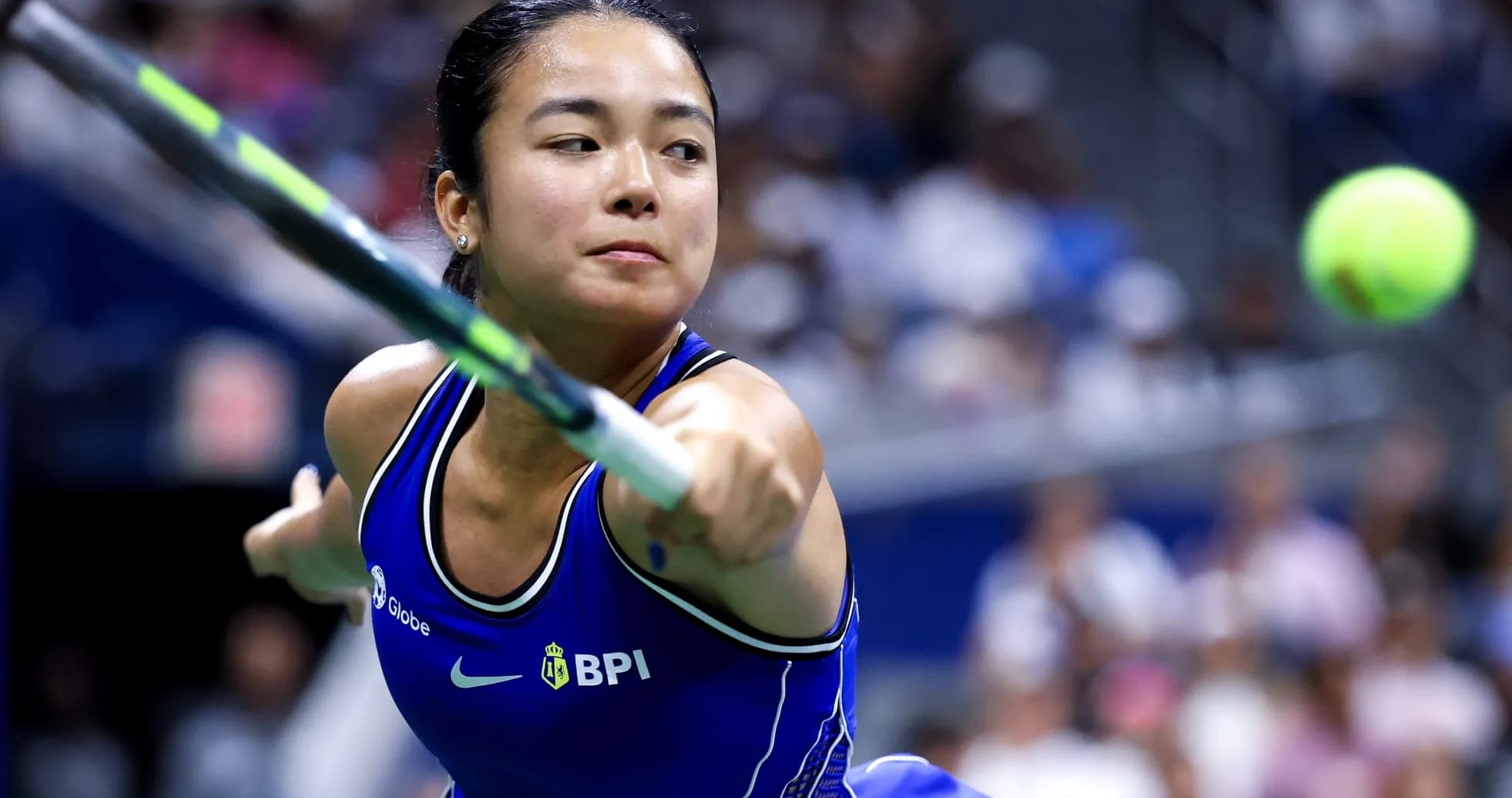
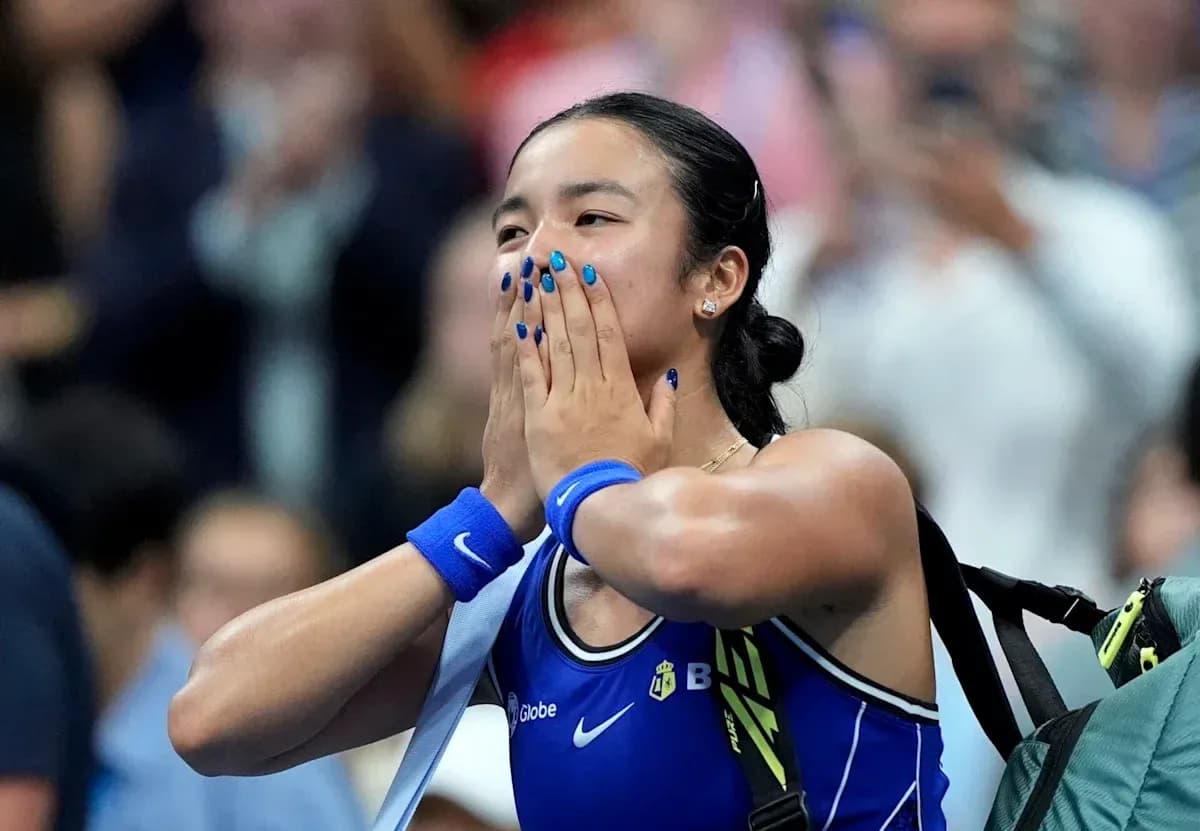
The crowds arrive early for Alex Eala now.
Not just for her matches, but for the grind: the drills, the cross-court rallies, the quiet conversations with her coach on a side court at the U.S. Open. Practice has become appointment viewing. Courts that normally host a few curious onlookers are jammed with flags, phones and Filipino voices.
This is what the start of a global phenomenon looks like.
And one of tennis’ most powerful dealmakers thinks it’s only the beginning.
Max Eisenbud, head of client representation at WME Sports and IMG Tennis and the architect behind some of the sport’s biggest commercial empires, believes the 21-year-old from the Philippines is on the verge of joining the sport’s financial elite.
“I feel very confident that by 2027, she will be the second-highest-paid female athlete in the world, behind Coco [Gauff],” he told Forbes.
That is not a cautious forecast. It’s a moonshot. Yet the numbers around Eala are starting to make it sound less outrageous and more like a roadmap.
A $5 Million Signal
Over the past 12 months, Forbes estimates Eala has earned more than $5 million off the court, before taxes and management fees. On it, she has banked another $1.7 million in 2026 prize money.
The foundation has been laid over years.
- Globe Telecom signed her when she was eight.
- Babolat backed her as a junior.
- Nike came in 2019.
- Bank of the Philippine Islands joined in 2022.
- Locally followed in 2025, Milo in February 2026.
These are not short-term cash grabs; several of these deals have grown with her.
Nike has leaned directly into her heritage, rolling out sampaguita-inspired merchandise and apparel, using her Filipino identity as a central theme rather than a footnote. Brands have stopped asking whether there is a market around her. They’ve started asking how much it costs to get in.
The answer has changed quickly.
Globe and BPI both signed new four-year agreements at the start of 2026, each guaranteeing more than $1 million a year just to place their logos on her Nike kit. Eisenbud says seven figures is now essentially the opening bid for anyone wanting to join the patch real estate on her uniform.
That is the commercial profile of a player whose global breakthrough is still in motion, not complete.
New York Takes Notice
The balance sheet only tells part of the story. The rest is written in the noise around her.
During U.S. Open Fan Week, Eala’s practice sessions became some of the most heavily attended events on site. Filipino fans packed the stands, turning routine workouts into something closer to a homecoming tour. Players accustomed to anonymity on outer courts suddenly found themselves warming up next to a full-blown event.
Then came the Stars of the Open exhibition at Arthur Ashe Stadium.
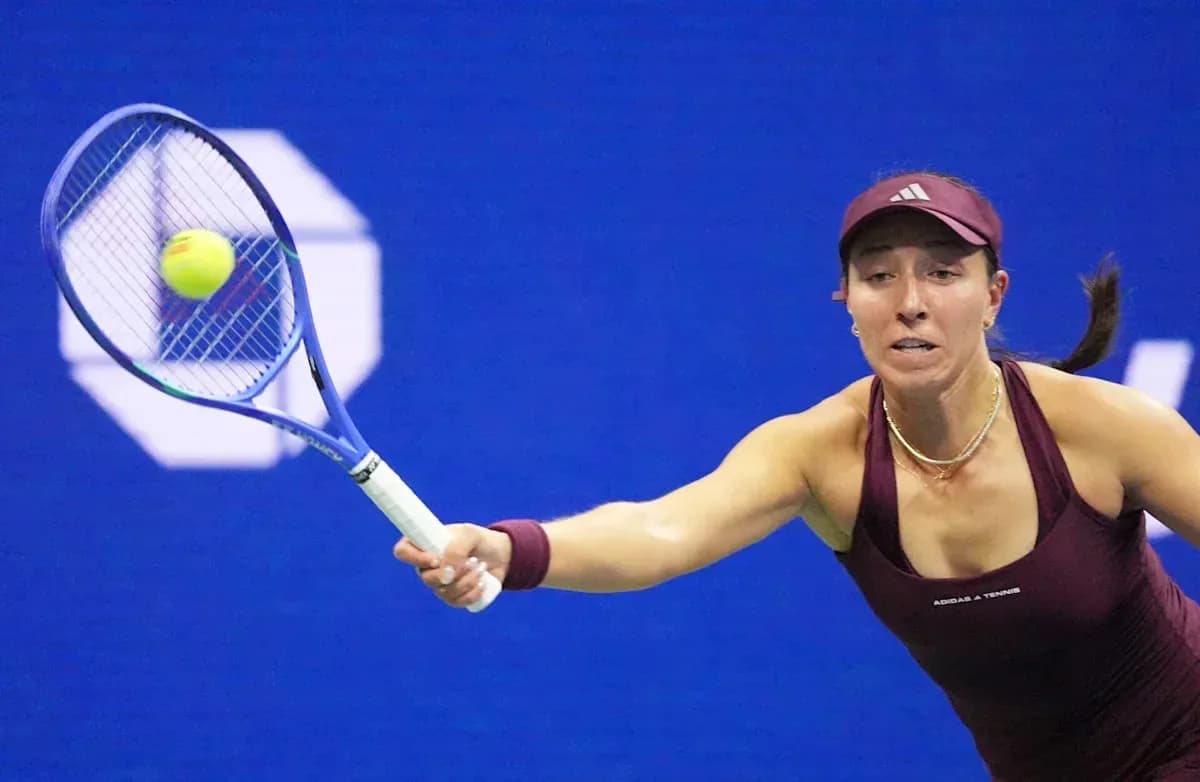
Under the lights of tennis’ largest arena, Eala faced American rising star Iva Jovic in front of an electric crowd. It was an exhibition, but it felt like a preview: a young player already comfortable in the sport’s biggest room, followed by a fanbase that refuses to sit quietly in the corners.
The U.S. Open organizers paid attention.
Eala’s opening-round match on Tuesday night against American qualifier Mary Stoiana has been placed on Louis Armstrong Stadium, the tournament’s second-largest court. That is prime real estate for a player still chasing her first deep run in New York.
Tournament director Eric Butorac has acknowledged that the response during Fan Week made the decision straightforward: Eala needed a major stage. Ticket prices have responded accordingly.
For an athlete trying to convert national hero status into global superstardom, this is where the transformation happens—in the big stadiums, under the lights, with the sport’s power brokers watching the turnstiles.
Chasing Coco
The gap she is trying to close is enormous.
Forbes estimates Coco Gauff earned $25 million off the court in 2025. Freestyle skier Eileen Gu followed at $23 million, Chinese tennis star Qinwen Zheng at $21 million. Aryna Sabalenka and Iga Swiatek each checked in at around $15 million.
Eala is not in that financial neighborhood yet. But she has already broken into the top 20 on court, ranked No. 18 in the world after a season that delivered her first WTA singles title in Washington. That win carried more than just ranking points: she became the first Filipino player to capture a WTA Tour-level singles championship.
The tennis résumé is catching up. The commercial engine is already running hot.
What separates her from many peers at a similar ranking is the scale and intensity of the audience forming around her. Filipino fans have trailed her from Washington to New York, filling practice courts, amplifying exhibitions, and now helping drive her U.S. Open debut onto Louis Armstrong.
That kind of organic, emotional connection is the holy grail for sponsors. It cannot be scripted, and it is getting more expensive by the month.
Former world No. 1 Andy Roddick told Forbes that Eala is bringing a massive new audience into tennis. Eisenbud, who has steered the commercial arcs of Gauff, Maria Sharapova and Emma Raducanu, is watching familiar ingredients come together again: youth, results, charisma, and a country rallying behind a single face.
The Next Step
The equation is clear now.
The endorsements are swelling. The crowds are swelling. The stage is getting bigger. What remains is the hardest part: translating all that attention into sustained Grand Slam success.
If Eala can turn packed practice courts and exhibition buzz into second weeks and serious title runs, the prediction that once sounded outrageous—second only to Coco Gauff by 2027—will start to look conservative.
And then those noisy pockets of Filipino fans scattered around New York won’t feel like an underdog invasion anymore. They’ll feel like the vanguard of a new power in the women’s game.