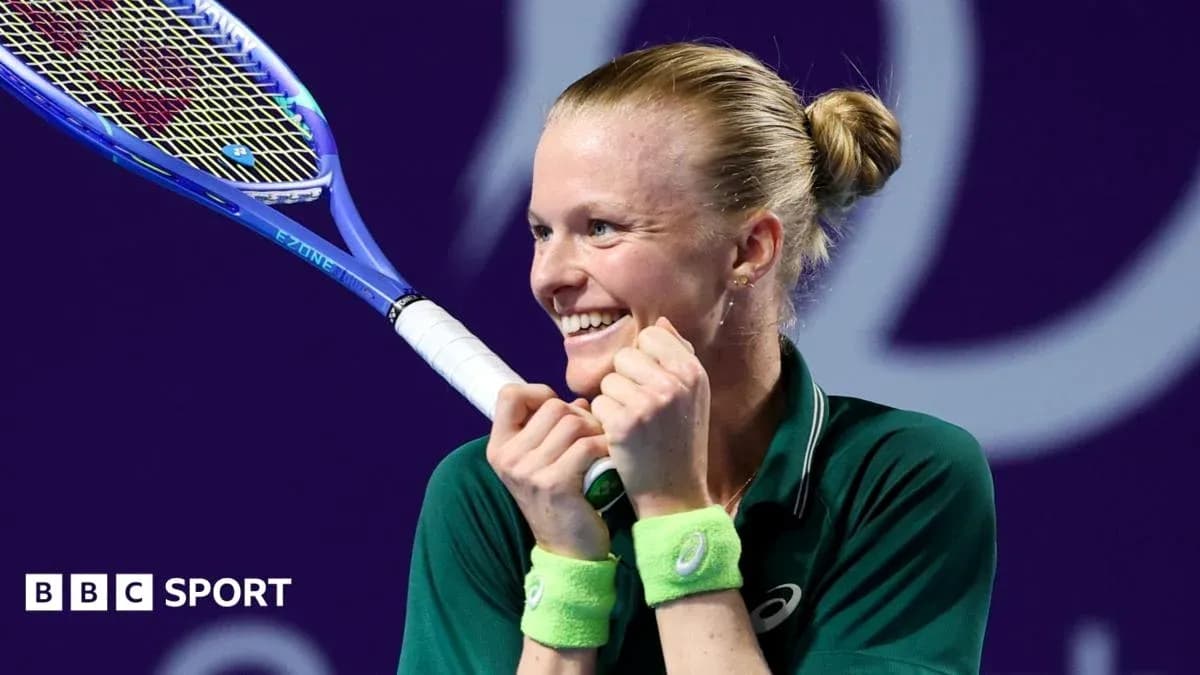
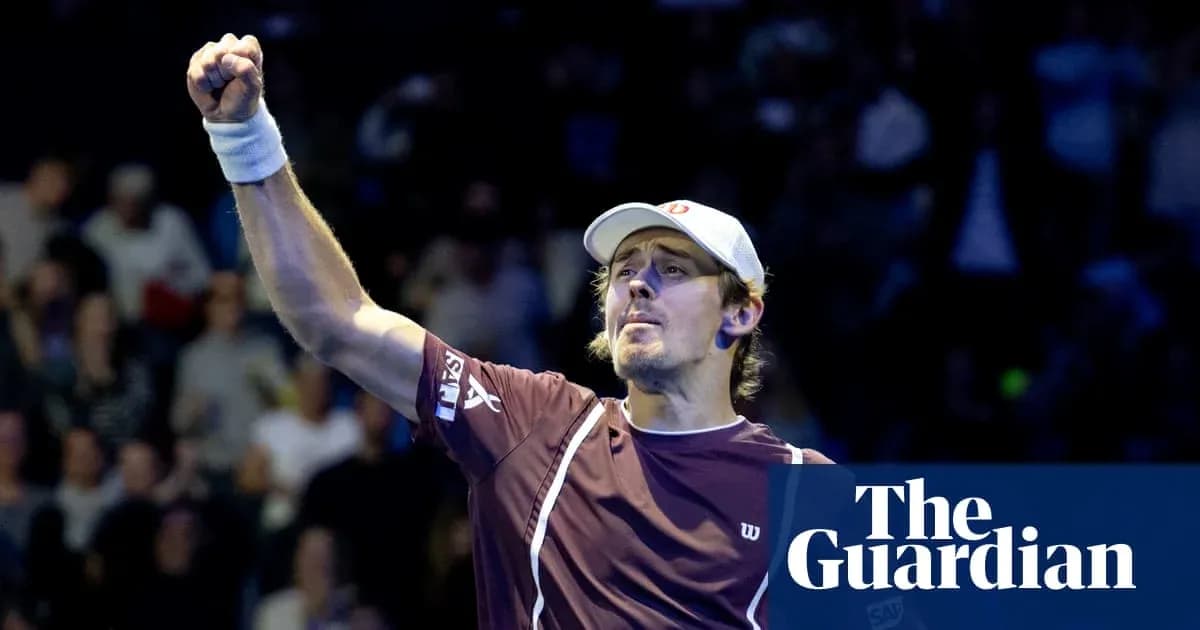
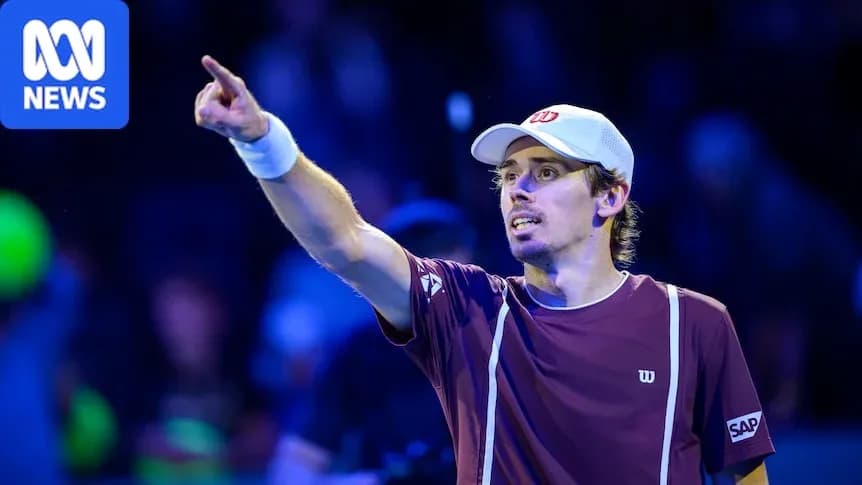
Alex Eala Faces Diana Shnaider Again in Tokyo Open Quarter-finals
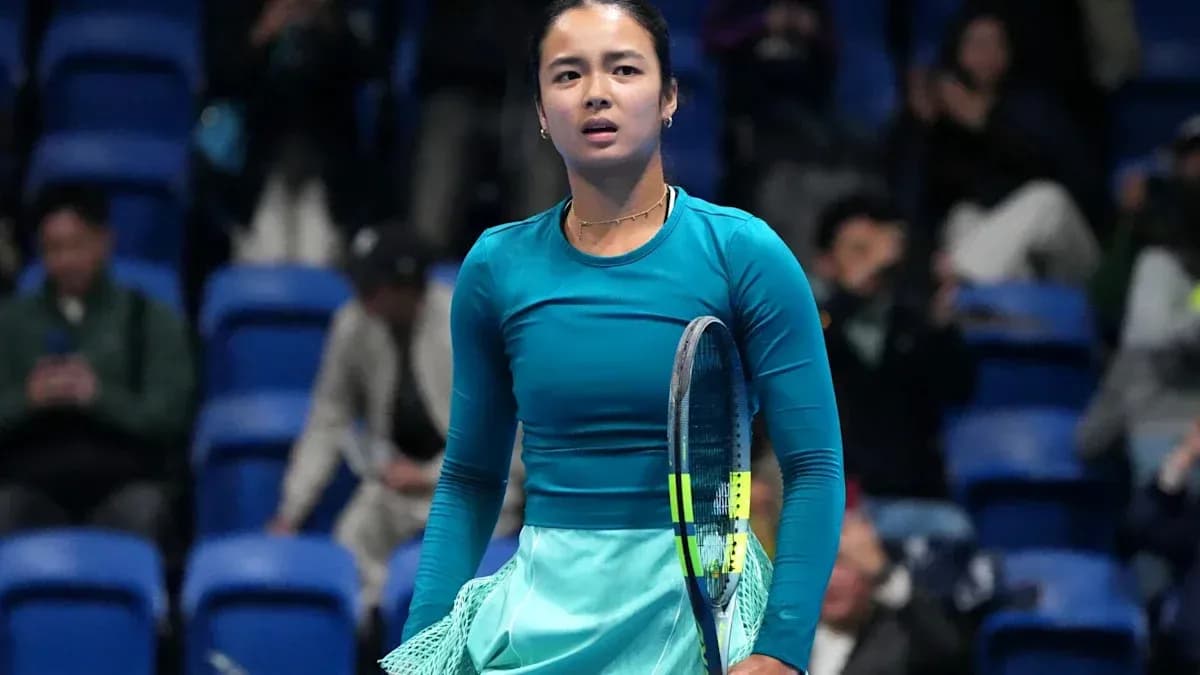
Alex Eala is getting her rematch, but not on her terms. Not yet.
Seven days after Diana Shnaider sent her out of Ningbo, 7-5, 6-4, the Filipino star finds the Russian left-hander standing in her path again, this time in the quarter-finals of the Tokyo Open. Same opponent. Same danger. New opportunity.
A breakout year meets a familiar problem
This is the year Eala has properly arrived. A first WTA title in Washington. A run to the fourth round of Wimbledon. A surge into the top 20. Her 2026 campaign has been the kind of breakout players dream about, the kind that shifts expectations from “promising” to “proven.”
Yet even in a season of milestones, one flaw has followed her around the tour: the serve.
The Ningbo defeat to Shnaider underlined it in brutal detail. Eala’s first-serve percentage hovered just over 50%, and she won only a little more than half of those points. Six times she was broken. Six times the pressure she created in rallies was undone at the line.
Against a clean striker like Shnaider, that simply isn’t sustainable.
Signs of a sharper weapon
Tokyo, though, has already offered a different picture.
Eala has fought through Mika Stojsavljevic and Talia Gibson to reach the last eight, and against Gibson she produced the clearest sign yet that the serve can become a weapon rather than a liability. Nine aces. Her highest tally in a single match this season. A markedly stronger first-serve percentage. A much healthier share of points won behind it.
That kind of serving changes everything. It shortens games. It relieves scoreboard pressure. It lets her swing more freely on return.
Shnaider is a step up from Gibson in almost every department, especially on the return. She will attack second serves. She will lean into any dip in percentage. But the basic demand for Eala does not change: the ball toss, the contact, the margin over the net — all of that is on her side of the court. Her opponent should not dictate whether she lands enough first serves.
The technical overhauls, the deep mechanical work, will wait for the off-season. For now, it’s about hitting her spots, trusting the motion she has, and refusing to give Shnaider the cheap looks she enjoyed in Ningbo.
The left-hander’s puzzle
There is another layer to this rivalry, and it runs through the mirror.
Eala is left-handed. So is Shnaider. On paper, that should neutralise some of the usual southpaw advantages — the swinging serve out wide on the ad court, the different spin patterns, the awkward angles into a right-hander’s backhand.
In reality, it has been a problem for Eala.
She has yet to beat any of the left-handers currently inside the top 100. The patterns she uses so effectively against right-handers don’t quite bite the same way. The cross-court forehand she loves meets another lefty forehand, not a vulnerable backhand. The serve patterns flip. The comfort disappears.
Shnaider exploited that in Ningbo. She dragged Eala into those lefty-to-lefty exchanges, took time away, and pounced whenever the serve faltered.
Revenge or repeat?
Tokyo offers Eala a rare gift: a second look at the same opponent, on a similar surface, barely a week later. The adjustments are obvious, but not easy.
She must serve better. Not perfect, just solid enough to avoid living on the edge of a break in every service game. She must manage the lefty patterns more intelligently, pick the right moments to change direction, and resist getting locked into forehand exchanges that suit Shnaider just as much as her.
The season has already proved that Eala belongs at the sharp end of big events. Washington and Wimbledon took care of that. Now comes a different kind of test — not of talent, but of response.
Seven days ago, Shnaider had the answers. In Tokyo, we find out how quickly Eala can rewrite the script.