.svg&w=384&q=75 "logo")
The £100m Midfielder: Why Premier League Clubs Invest in Central Midfielders

There is a reason eight of the 10 priciest transfers between English clubs this summer were for central midfielders. Not strikers. Not wingers. The men in the middle.
In a market shaped by age, contract length, data dashboards, injury histories and, in Tottenham’s case, sheer urgency, everything still begins with one simple question: what is everyone else paying? Once Spurs pushed £85m across to West Ham for Mateus Fernandes in June, then smashed their own record four days later with £100m for Sandro Tonali from Newcastle, the whole window snapped into focus.
Those two deals didn’t just move players. They moved the scale. Suddenly, Bruno Guimaraes, Morgan Rogers, Elliot Anderson, Carlos Baleba and Enzo Fernandez all had new reference points. Numbers rose. Expectations followed.
By the end of a two-month blur in which Premier League clubs spent roughly the GDP of Andorra, plenty of people inside the game – and plenty more watching from the stands – were still trying to make sense of it all. Every transfer has its own logic, its own story, its own internal justification. Collectively, though, they pose a blunt question: can any footballer really be worth £100m to a club?
Two pillars hold up that valuation: what a player does on the pitch, and what a player does for the balance sheet.
On the commercial side, the truth is harsh. Only a tiny cluster of global megastars can genuinely shift the commercial dial of an elite Premier League club. Shirt sales, sponsorships, new markets – most signings barely graze those numbers.
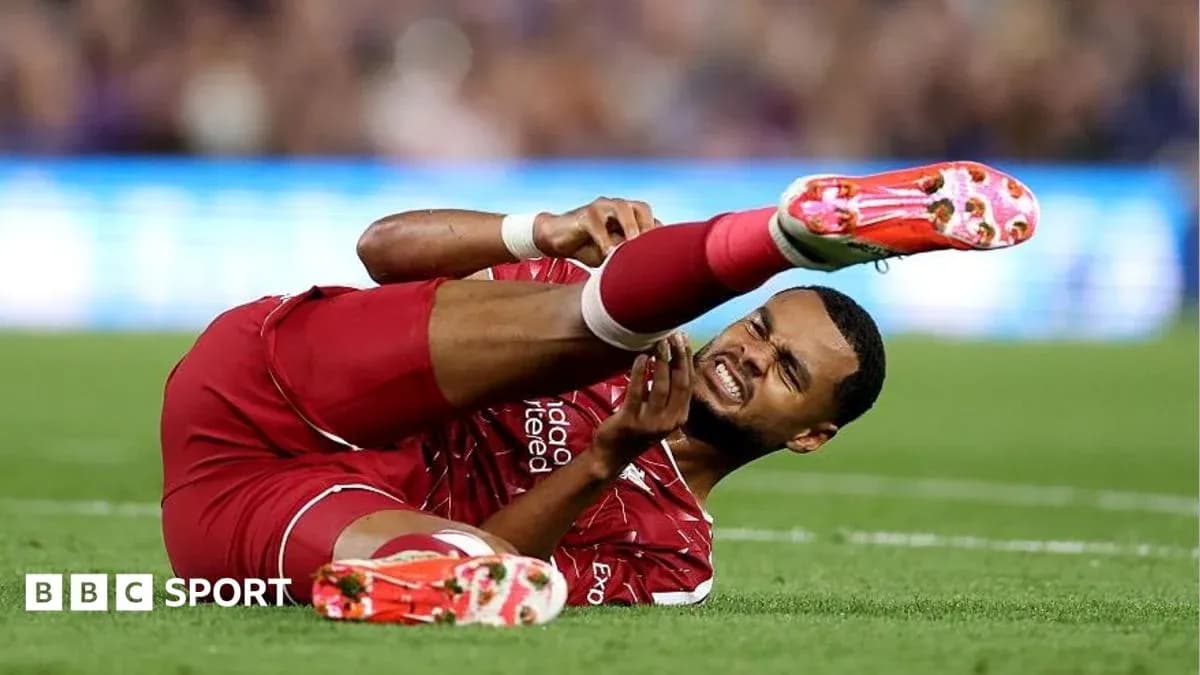
Performance is where the sport tries to justify the madness. There are obvious, almost theatrical examples of individual influence. When Virgil van Dijk missed most of Liverpool’s 2020/21 season, they finished 30 points worse off than the year before. Strip out the wider context – the injury crisis that engulfed Jürgen Klopp’s squad, the profligate finishing that blunted them – and you could easily be seduced by the idea of one man as a 30-point swing.
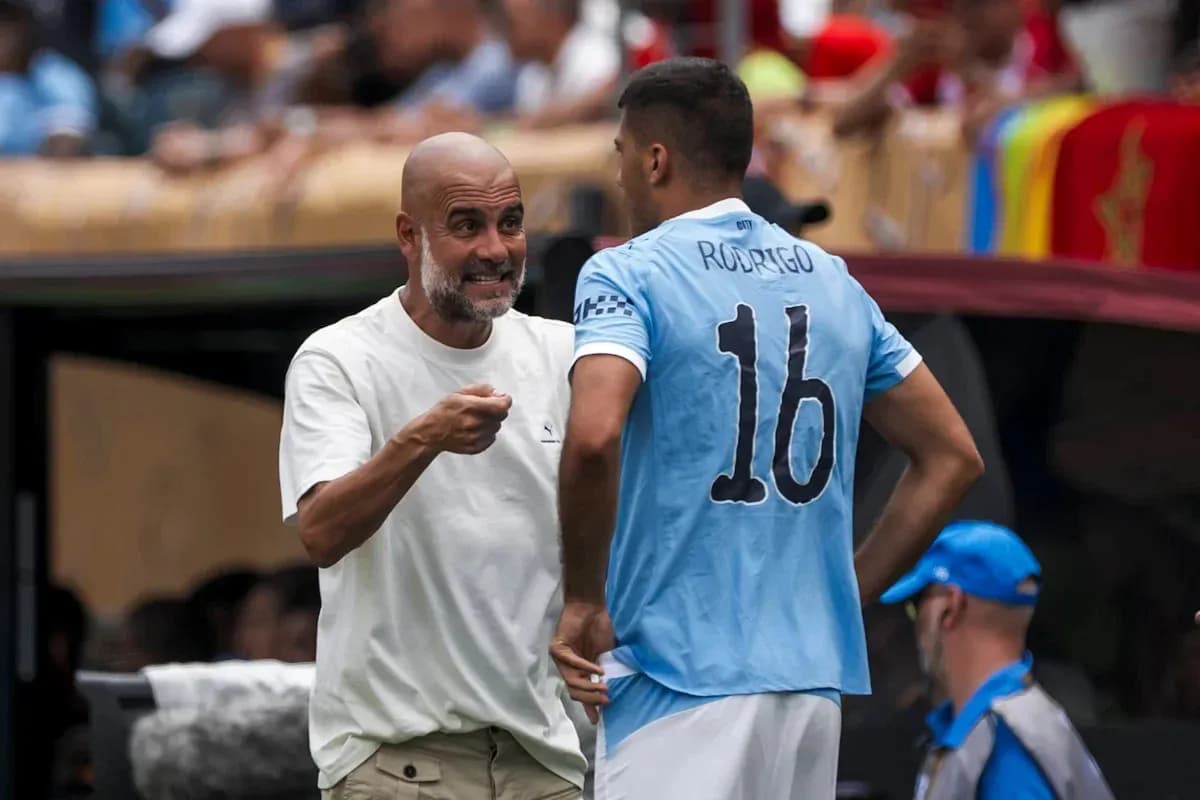
Manchester City’s collapse without Rodri in 2024/25 told a similar tale. The midfield anchor removed, the structure wobbling, results dipping. Yet again, his absence was only one strand in a broader unraveling.
This is the territory Omar Chaudhuri knows well. As chief intelligence officer at Twenty First Group, a firm that advises clubs on transfer strategy, he has spent years trying to strip the emotion out of the market and understand what these players are really worth.
The conclusion is sobering.
Most transfers, he argues, do not radically change a club’s fortunes on their own. The dream of the single transformative signing is just that – a dream.
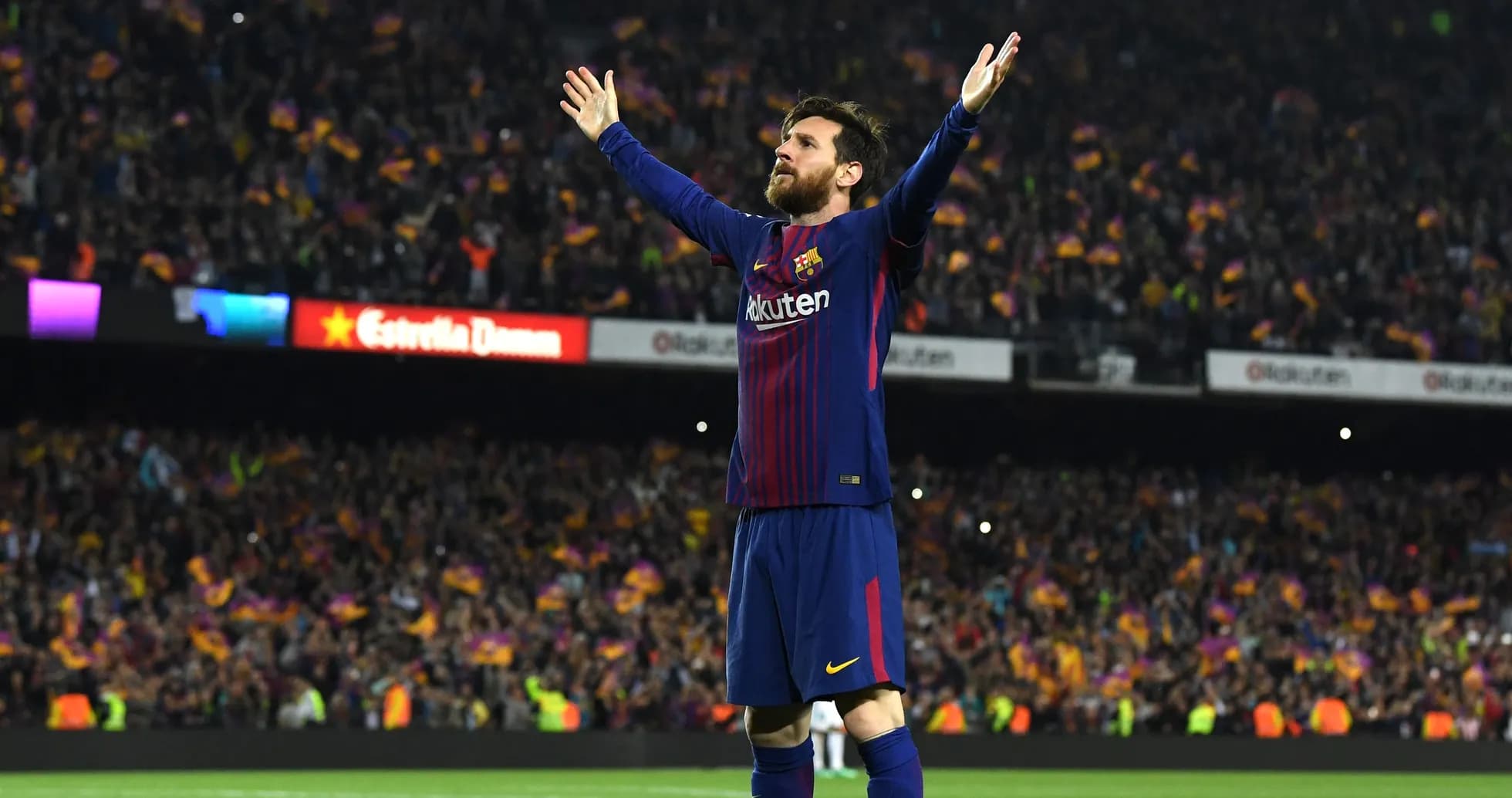
“In intrinsic value, no,” Chaudhuri says when asked if the £100m footballer can be justified. “Because if you analyse how much any one individual footballer can influence the outcome of a team over the course of the season, it’s never going to be more than three, four, five points – unless you’re Lionel Messi at Inter Miami, where the gulf between you and the other players is so big.”
That line cuts straight to the heart of the current inflation.
Enzo Fernandez, he notes, is a good player. An expensive player. A World Cup winner. But he is not a one-man revolution, and it is almost impossible to find truly transformative players in a league where the baseline quality is already sky-high.
So when Manchester City commit £125m on Fernandez, they are not really paying for a guaranteed leap in performance. Over the course of his deal, once wages and bonuses are factored in, the total outlay might nudge £200m. Can anyone credibly claim that the difference between having Enzo Fernandez and not having him is worth £200m in extra revenue to City? The maths strains under the weight.
Yet this is the market. And once a market accepts a number, everyone lives with it. If clubs are willing to pay, the prices become reality.
The distortion grows as clubs chase quick fixes. A poor run of results, a restless boardroom, a fanbase demanding action – the temptation is always the same: buy your way out of trouble. Transfers become the shortcut, the cheat code, the shiny solution to deep structural problems.
History keeps proving that idea wrong.
“The transfer market is a vastly overrated opportunity to improve your team,” Chaudhuri says. It sounds almost heretical in a sport obsessed with windows and war chests, but the data backs him up. When you look at the relationship between net spend and league improvement, the pattern is startling.
“The amount a club net-spends in its transfer window has no bearing on the extent to which they improve or get worse over the following season – literally no bearing,” he explains. A club that spends £200m net is, on average, no more likely to climb the table than one that brings in £200m.
That reality is uncomfortable for owners who want instant gratification. It is gold dust for those willing to think longer term.
The clubs that thrive are usually those that treat the market as one tool, not the only one. Brighton and Brentford are the clearest examples. They have turned the Premier League’s excess into an advantage, selling players at the top of the market while sourcing replacements in far more rational price ranges.
They are not operating with magic algorithms or secret scouting planets. They are doing something far less glamorous and far more rare: sticking to a plan.
“Whenever we advise clubs, they’re looking for that silver-bullet strategy or market you can recruit from,” Chaudhuri says. The truth he offers is almost boring in its simplicity. You need a plan, and you need the discipline to follow it. The exact plan matters less than the consistency with which you execute it.
Across the league, that consistency is what’s missing.
“We talk a lot about Brentford and Brighton,” he says. “It’s very rare that you have clubs that are almost tunnel-vision in the way in which they operate.” Most others veer from one idea to the next – new sporting directors, new coaches, new playing styles, new recruitment philosophies – with each change ripping up what came before.
The result is chaos disguised as ambition. Money spent. Identity lost.
Behind the headline figures, there is another important layer to this market: how those huge fees are actually structured. Many of the eye-watering numbers are, to some extent, illusions. Deals are padded with add-ons that may never be triggered. Almost every transfer fee is amortised, spread across the length of the contract.
Take that £125m outlay on Fernandez. On the books, City will carve it up into roughly £25m chunks over five years. If they sell him after three seasons for half the original fee, the incoming money can still wipe out the remaining amortised cost. On paper, the risk looks manageable. On the pitch, the gamble remains.
This accounting sleight of hand has become standard practice. It is also a major reason why the Premier League now stands on what one report this week described as a pile of sand: a competition propped up by a casual, almost blasé reliance on debt. Some within the game are starting to whisper about the possibility of a serious financial reckoning.
For now, though, nothing in the behaviour of clubs suggests that reckoning is close. The cheques keep getting bigger. The market keeps being talked up. The next window is always the one that will fix everything.
Chaudhuri believes there is another route, one that barely gets a mention when the cameras turn to the deadline-day countdown. Stop obsessing over the next signing. Start obsessing over the players you already have.
“I think too few clubs actually focus on improving their own players,” he says. Performances spike and slump within the same season; a team can look like Champions League contenders for three months and mid-table fodder for the three before. That volatility is proof of something important: clubs have far more scope to extract better performances from the same group of players than they care to admit.
Coaching, cohesion, clarity – these are not as glamorous as unveiling a £100m midfielder on the pitch before kick-off. They do not trend on social media. They do, however, win points.
“There’s so little focus on what clubs can actually do to build cohesive teams and improve their own players,” Chaudhuri says. In the rush to buy the next solution, many clubs have simply lost sight of the work that turns a squad into a team.
The £100m midfielder has become the symbol of this era: the price of impatience, the cost of skipping the hard part. The question now is whether anyone at the top of the game is brave enough to step away from the auction and invest in something far less spectacular – and far more sustainable.