.svg&w=384&q=75 "logo")
Tottenham Hotspur Stadium: A Unique Identity in Modern Football
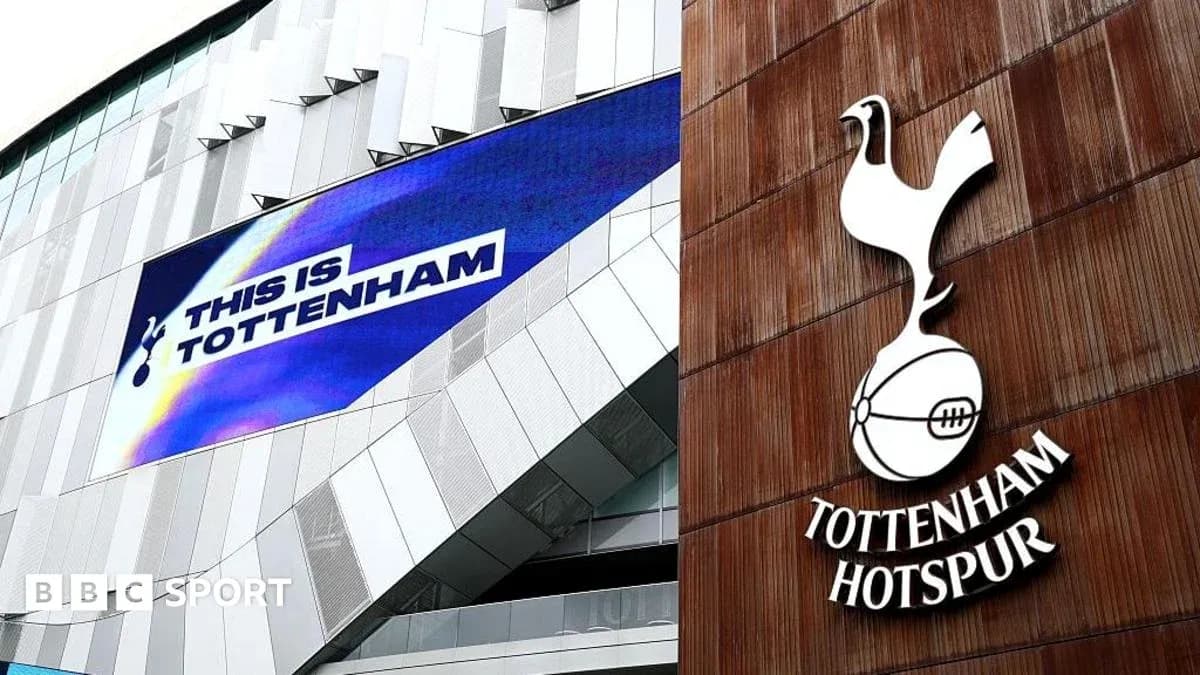
In a Premier League dotted with corporate monikers, one of English football’s great modern arenas still carries only the club’s crest and identity.
Since it opened in 2019, Tottenham Hotspur’s home has been known simply as Tottenham Hotspur Stadium. No airline, no financial giant, no tech conglomerate stitched into the title. Just the club.
That makes Spurs an outlier. This season, eight of the 20 Premier League clubs play in grounds that carry sponsorship names: Arsenal at the Emirates Stadium, Manchester City at the Etihad Stadium, and others who have long since traded pure geography or heritage for commercial muscle.
When Tottenham’s new ground finally opened in the closing months of the 2018-19 season, few expected that situation to last. The assumption was clear: a state-of-the-art, 62,000-seater arena in north London would quickly land a lucrative naming-rights partner. The rebrand felt inevitable, almost overdue.
It never came.
Seven years on from moving in, after hosting some of the country’s biggest concerts and becoming a regular stop for NFL games, the stadium’s brand-free identity remains intact. The name has become familiar, almost deliberate in its plainness.
That doesn’t mean Spurs have turned their back on the market. Far from it.
Club sources are clear that no significant progress has been made on a stadium naming-rights deal at present, but the door remains open. For a club trying to compete at the top end of the Premier League while staying inside financial regulations, the commercial upside is too important to ignore.
“Increasing our revenues through commercial partnerships is crucial for us to be able to remain competitive while staying in the boundaries of financial rules,” a Tottenham spokesperson told BBC Sport, underlining the strategic weight attached to any future agreement.
From the club’s perspective, a naming-rights deal is not just a badge on the roof. It is, as they put it, a “key part of the wider suite of opportunities available to potential partners.” The stadium’s licence to host up to 30 major non-football events a year — concerts, NFL, and other large-scale shows — is central to that pitch. Every extra date on the calendar pushes up the value of attaching a brand to the building.
The market, though, is crowded. Tottenham are not the only club chasing global partners with deep pockets and global reach.
“We are in a highly competitive industry alongside a number of clubs with similar ambitions,” the club added. The message is firm: Spurs will not slap just any logo on their stadium. They insist they will only move for “the most-respected, renowned brands that align to our club values and can bring something to our fan experience.”
So the name stays as it is, for now, while the club works on broader commercial plays.
One of those is “The Collective”, a new sponsorship programme designed to create tailored activations in every stand at Tottenham Hotspur Stadium. Sports Illustrated has already signed on as the first partner in that scheme, an early sign of how Spurs plan to monetise the venue even without a headline naming-rights deal in place.
The question lingers over north London: how long will one of football’s most modern arenas continue to stand without a corporate name, in a league where almost everything else already carries a price tag?