.svg&w=384&q=75 "logo")
Tom Aspinall’s Heavyweight Reign at a Crossroads
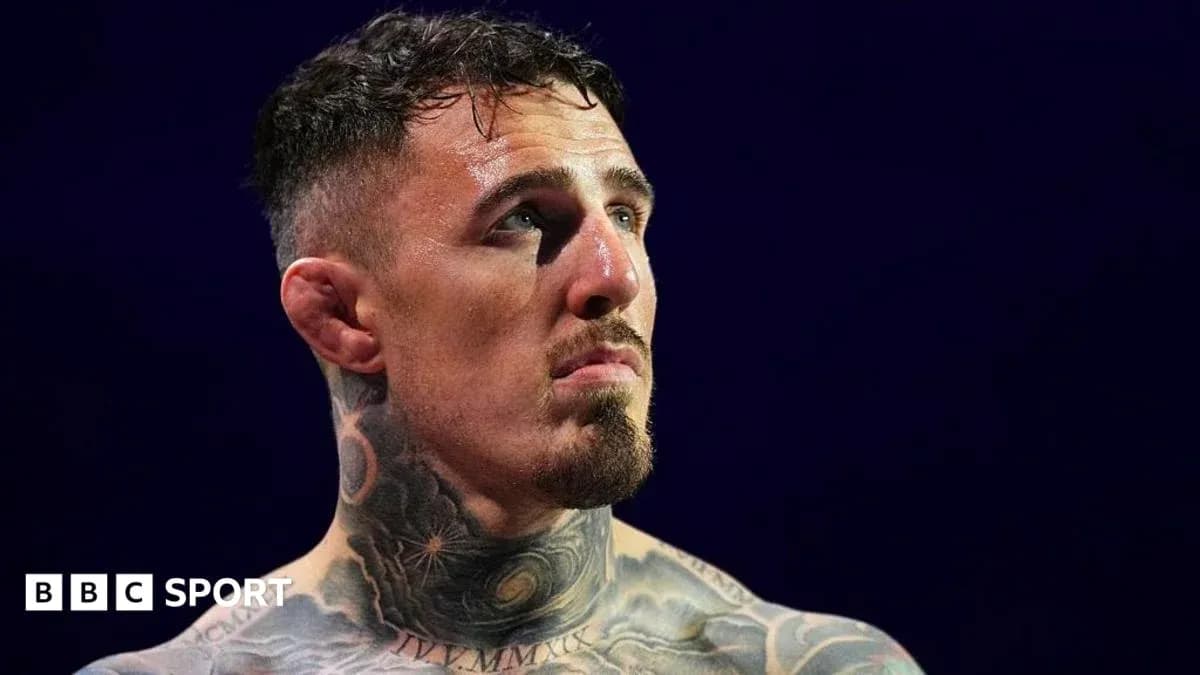
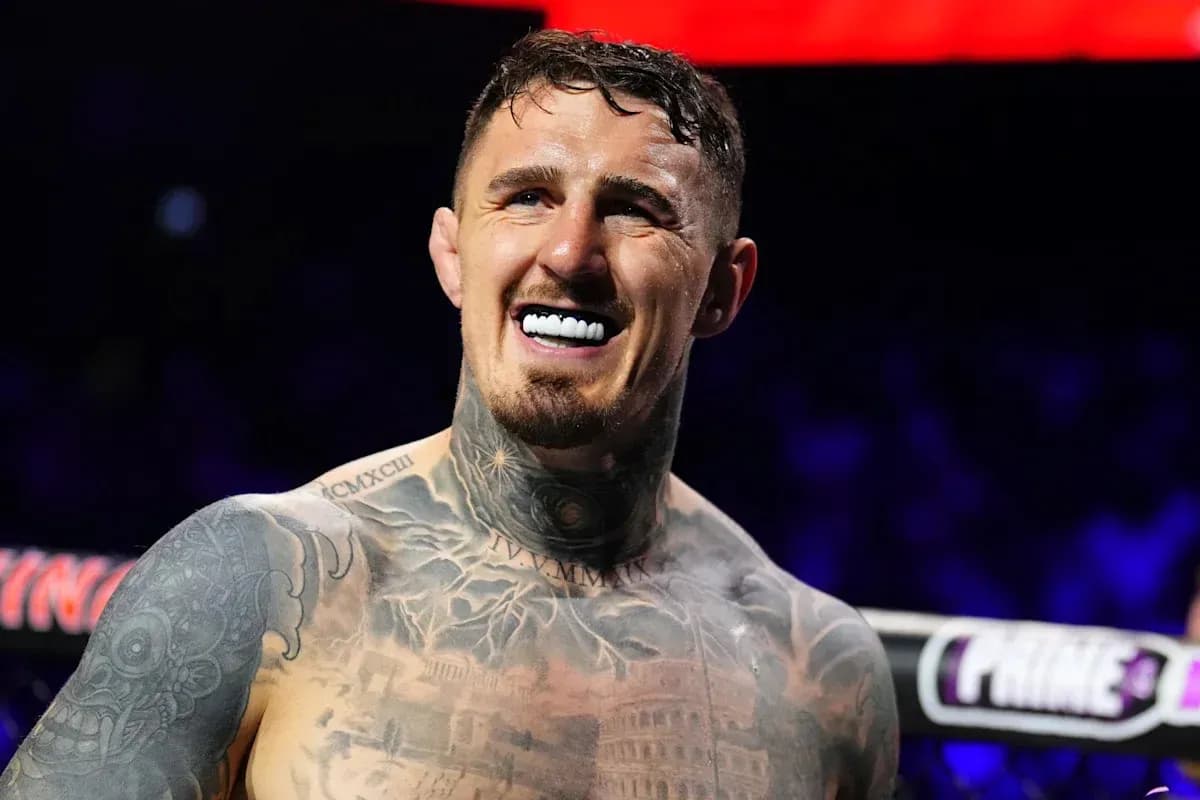
Tom Aspinall’s time at the top of the UFC heavyweight division is drifting into uncertain territory, and Dana White knows it can’t go on unresolved for much longer.
The 33-year-old Briton has not thrown a meaningful punch in the Octagon since October 2025, when his first title defence against Ciryl Gane collapsed into chaos and controversy. What was supposed to be a statement night for the champion instead ended in a no-contest, his reign frozen in place the moment his vision went.
Repeated eye pokes from Gane left Aspinall unable to continue. The damage ran far deeper than a bad night and a frustrated crowd. He was diagnosed with a rare eye condition, plagued by persistent double vision, and ultimately forced into surgery. A freak sequence turned into a long, uneasy lay-off for the man at the top of the most dangerous division in the sport.
Now, as Aspinall edges towards a full year without a fight, the UFC is preparing to confront the question no champion wants to hear: how long can a belt sit idle?
White: “We’ll definitely be talking about that”
Speaking about the state of his champions, UFC president Dana White did not duck the issue. With Valentina Shevchenko vacating her women’s flyweight title earlier this month because of ongoing injuries, the spotlight swung naturally to Aspinall’s situation.
Asked whether Aspinall should consider relinquishing his belt, or whether stripping the champion might be on the table, White was blunt about the conversations ahead.
“We'll definitely be talking about that,” he said. “Valentina doesn't want to tie up the division and I'm assuming Tom feels the same way. I don't know personally where he is health-wise. We should clear that up soon.”
That last line hangs over the heavyweight picture. Until the UFC has clarity on Aspinall’s medical status, the division remains in a kind of limbo: a champion on paper, a vacuum in practice.
A comeback teased, a rivalry waiting
It hasn’t all been silence from Aspinall’s side. In June, he declared he had returned to full training and set his sights on a rematch with Gane, the Frenchman whose fouls derailed their first meeting. He even floated September as a possible window for the fight, a sign that he believed his body — and, crucially, his vision — were ready for the intensity of a title bout.
The matchup makes sense. Gane never got a clean result, Aspinall never got his first true defence, and the division never got the clarity it needed. The rematch carries both sporting logic and narrative weight.
Then came another twist: speculation at the end of August that Aspinall might be preparing to walk away from the UFC altogether. He moved quickly to shut that down, rejecting reports that he was planning to leave the promotion. The message was clear enough — he still sees his future inside the Octagon, and he still sees himself as champion.
A division waiting for answers
The tension now lies between intent and reality. Aspinall wants to fight. The UFC wants an active, visible heavyweight champion. The contenders want their shot. But the calendar doesn’t wait, and a year of inactivity is a hard line in a sport built on momentum and jeopardy.
Shevchenko’s decision to vacate set a recent precedent: a champion choosing to step aside rather than hold up a division. White’s comments suggest that same conversation is coming for Aspinall, whether he’s ready for it or not.
If the medical green light arrives and the Gane rematch is signed, the heavyweight belt will roar back to life in the most dramatic way possible: unfinished business, high stakes, and a champion trying to prove that surgery and time away have not dulled his edge.
If not, the UFC will have to decide whether Tom Aspinall remains the man at the top, or becomes the latest champion whose reign ends not with a knockout, but with a hard, clinical call outside the cage.