.svg&w=384&q=75 "logo")
RNC Vows to Return in 2026 After Court Postponement
The organisers of one of Australia’s most polarising combat sports have vowed to return in 2026 after their latest showcase was halted by the courts on the eve of the event.
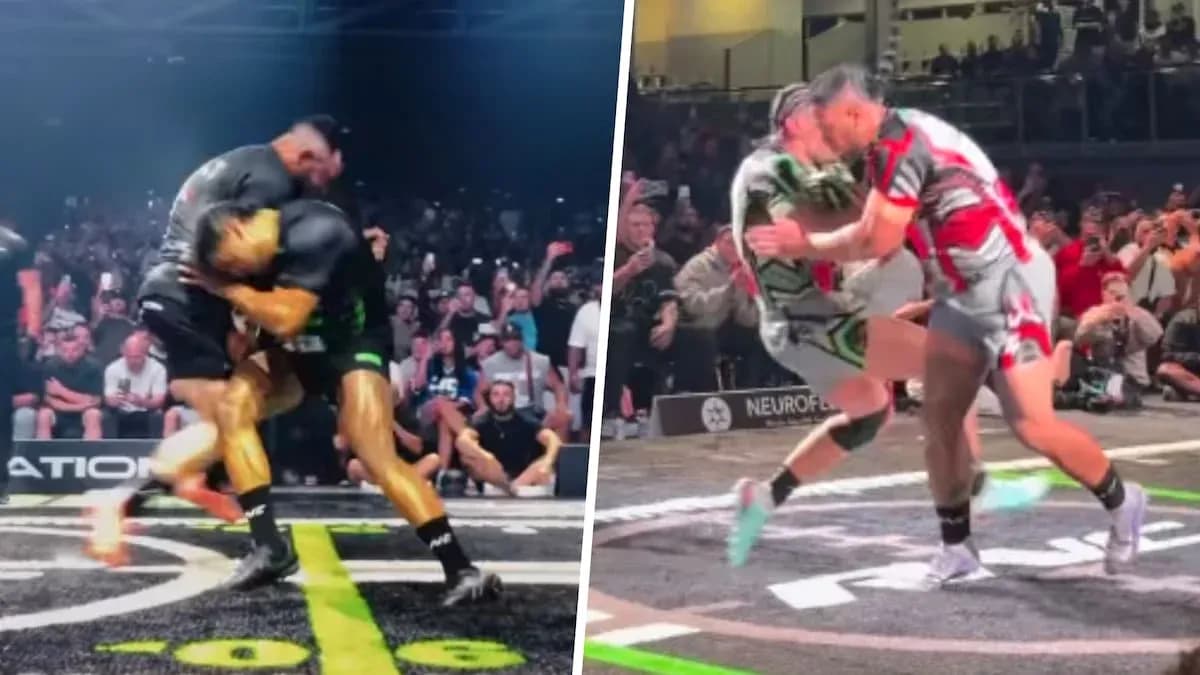
Runit Combat, branded as RNC, had its RNC04 card postponed following a decision by the NSW Supreme Court, forcing the promotion to hit pause just as it was attempting to push deeper into the mainstream.
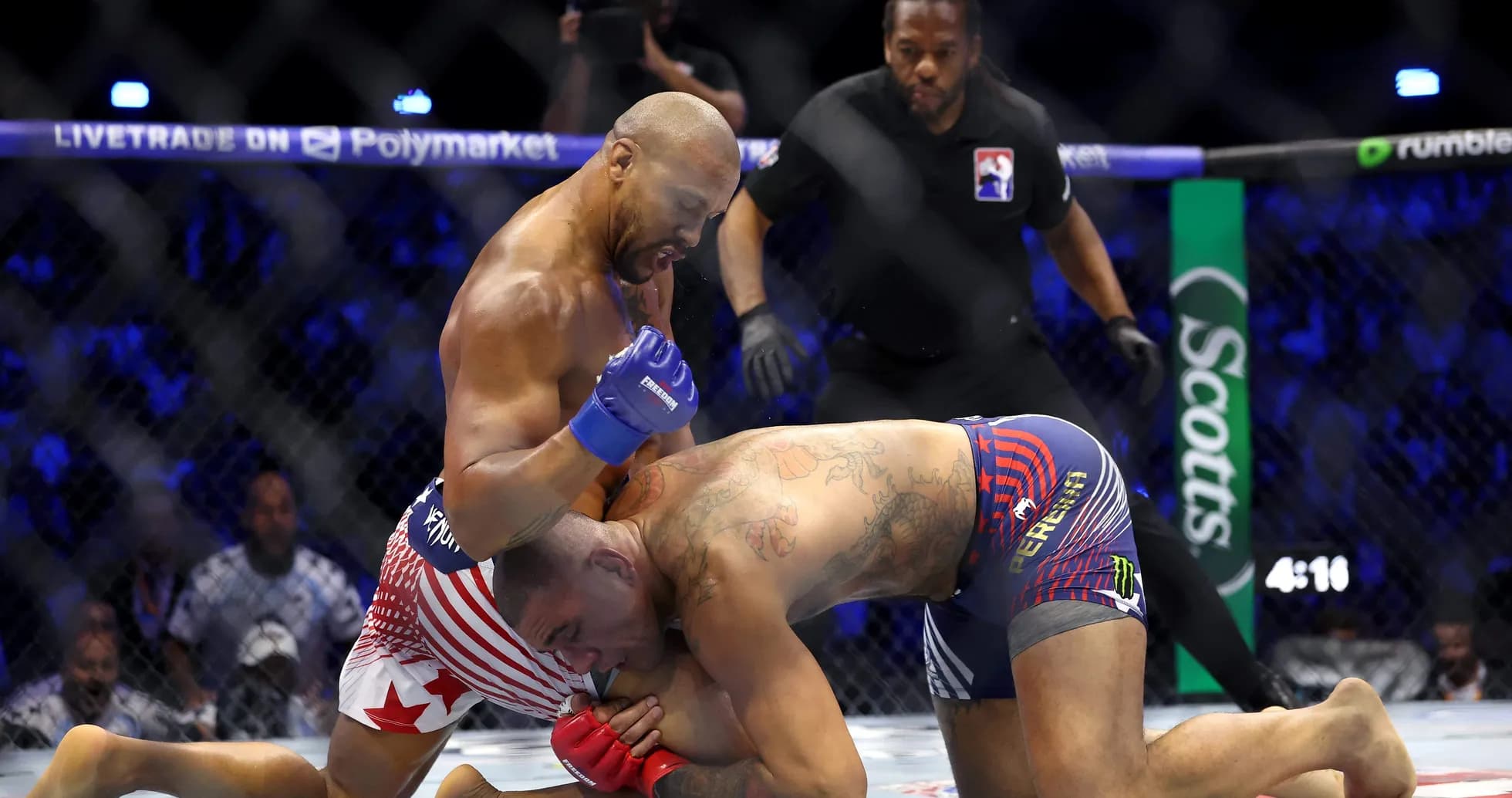
At the heart of the controversy is the nature of the sport itself. Regulators define a combat sport as one in which the core aim is simple and brutal: “to strike, kick, hit, grapple with, throw or punch one or more other combatants”. RNC leans directly into that reality. As one description of the spectacle puts it: “The essence of the activity is the collision between them.”
This week, that collision ran into the legal system.
In a statement, RNC confirmed the postponement and stressed it would now sit under the state’s combat sports framework.
“RNC will now operate as a regulated sport in NSW under the authority. We are working with them to bring RNC into that framework properly,” the statement read, signalling a shift from renegade upstart to sanctioned product.
RNC04, originally locked in for Royal Randwick Racecourse, will not disappear. It will be pushed back.
“RNC04 will be rescheduled for later in 2026 at Royal Randwick Racecourse. Same venue. Same card. Same event.
“Your ticket carries over automatically. If you cannot attend the new date, refund instructions are going to every ticket holder by email today.
“To our athletes, coaches and teams. You gave everything to get here. None of it is lost. This is a delay, not a defeat.”
The card had been built with a heavy rugby league flavour. Former NRL forwards Dylan Napa and Sam Kasiano were among those scheduled to step into the ring, tapping into a familiar crossover between collision codes and combat sports.
Not everyone from that world has stayed on board.
Earlier this year, ex-NRL front-rower Josh Aloiai, who had been working as a coach for RNC competitors, walked away from the sport and publicly distanced himself from the promotion. His change of heart came after seeing the reality up close.
In a video posted to social media, Aloiai laid out why he could not continue.
“After coaching at RNC last night, that’s not something I could ever be involved in again.
“As a coach, man, I could not do that again, feels like you’re just preparing dudes to go and get their heads knocked off and get brain bleeds and tap them on the back and squirt water in their face.”
His comments cut straight to the ethical fault line that runs through RNC and similar ventures: the line between entertainment and the toll on the athletes’ bodies and brains.
RNC’s leadership has tried to keep the temperature down. Earlier this year, Fernandez, a leading figure at the company, told the Herald that Aloiai was entitled to his opinion and that the promotion respects any athlete’s decision about their involvement in any sport. No public war of words, no counterpunch — at least not in the media.
The debate around RNC has been sharpened by events beyond Australia’s borders. In June 2025, Vulangi Olosoni won the Runit Championship League final, a rival competition to RNC. Not long after, he issued a public apology for his role in encouraging young people to take up the controversial sport, following the death of New Zealand teenager Ryan Satterthwaite.
That tragedy still hangs over the entire scene. It colours every promotional push, every training camp, every announcement of a new date.
RNC now finds itself at a crossroads: no longer operating on the fringes, no longer entirely free of oversight, and no longer able to ignore the growing conversation about risk, responsibility and influence.
The fighters will train again. The posters will go up again. Royal Randwick will be ready again in 2026.
The question is whether the public — and the next generation of would-be combatants — will still be willing to collide with it.