.svg&w=384&q=75 "logo")
Paddy Pimblett: UFC's Rising Star and Fan Favorite
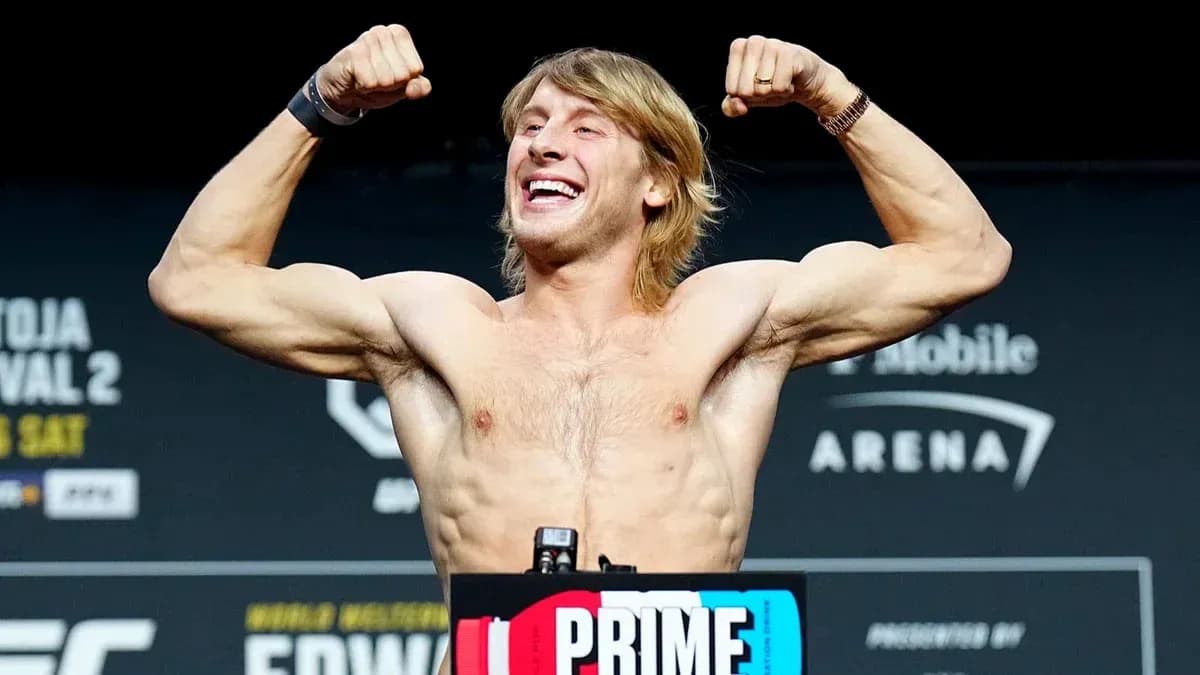
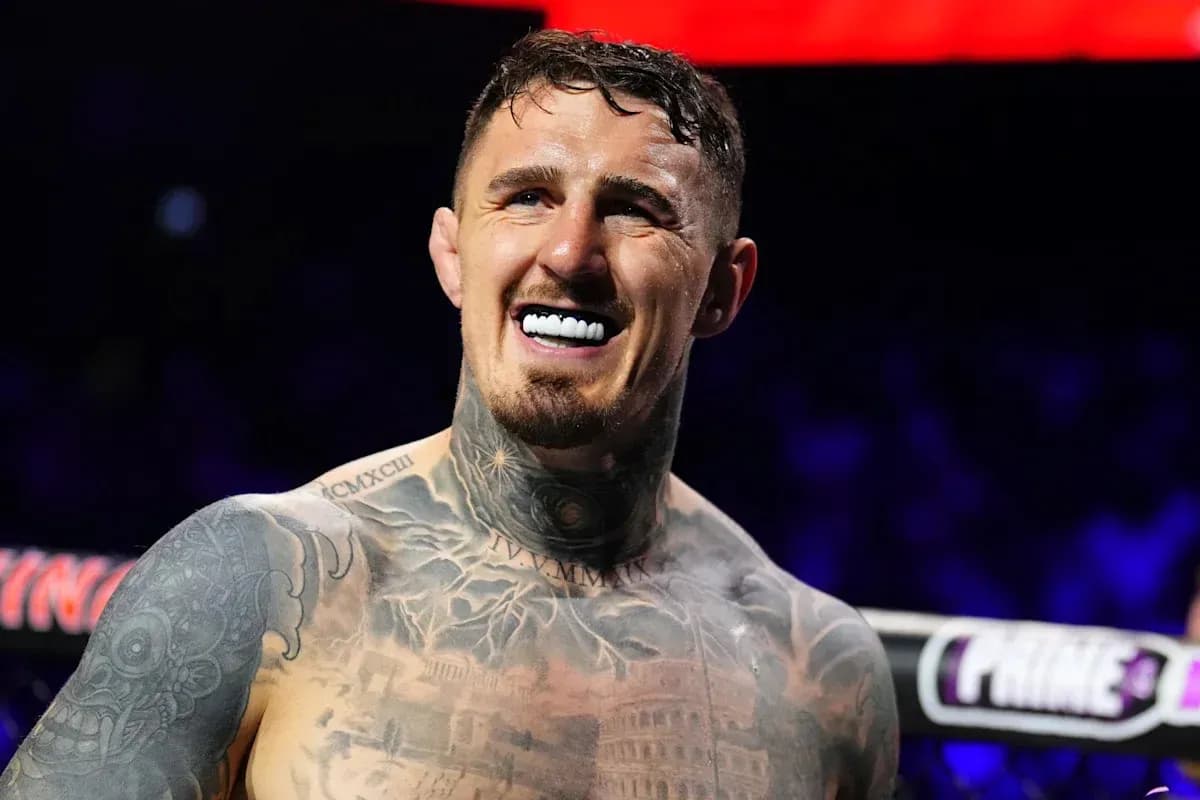
Paddy Pimblett has been good business for the UFC from the moment he walked through the door five years ago.
By the time he made that first walk to the octagon, he was no raw prospect. Nineteen fights on the outside, championship rounds under his belt, and a travelling army of supporters had already hardened him for the glare of the sport’s biggest stage. The personality was loud, the brand was built, and the intent was clear: he wasn’t there to coast to decisions. He was there to finish fights.
That alone made him valuable. But in Dana White’s eyes, Pimblett proved something deeper when he lost to Justin Gaethje.
“In that fight too, Paddy Pimblett gained more followers in that loss than in his last win, which was incredibly spectacular,” White said. “Because people realize what a dog—and how tough—he really was. And what a chin he has.”
The numbers backed up the feeling. A setback on the record, a surge in support. It’s the old fight game paradox: sometimes you win more in losing the right way than you do in a routine victory.
White has long argued that Pimblett fits the mold of the fighters who keep a promotion alive on Saturday nights. To explain it, he reached outside MMA and back into the blood-and-guts archives of boxing, to a name every fight fan of a certain age understands instantly: Arturo Gatti.
“This was sort of my philosophy going into the UFC business when we bought it,” White said. “I noticed that Arturo Gatti kept signing HBO deals even when he lost. You know why? Because when we stay home on Saturday night, there's a lot of things. Forget the cost of the fight, right? The pay-per-view or whatever it was back in the day. More importantly, you guys have sh*t to do on Saturdays, right? You got to take your girl out. You got to take your kids. You've got things.”
That’s the crux of it. The UFC isn’t just competing with other sports. It’s competing with date nights, family plans, and everything else that drags people away from the couch. For fans to give up a Saturday, White believes, the fighters on screen have to make that sacrifice feel worth it.
“To invest a Saturday night is a big deal,” he continued. “And when you invested a Saturday night in an Arturo Gatti fight, you were never disappointed when you turned the TV off. People want to see guys f***ing go to war.”
In Pimblett, White sees that same currency: a fighter whose appeal isn’t built solely on an undefeated record or flawless technique, but on a willingness to walk into the fire and stay there. The Brit came into the UFC as a cult figure with a haircut, a nickname, and a following. He’s turning into something more dangerous for opponents and more valuable for the promotion: the kind of fighter fans clear their Saturday for.