.svg&w=384&q=75 "logo")
Muhammad Mokaev's Uncertain Future After UFC Release
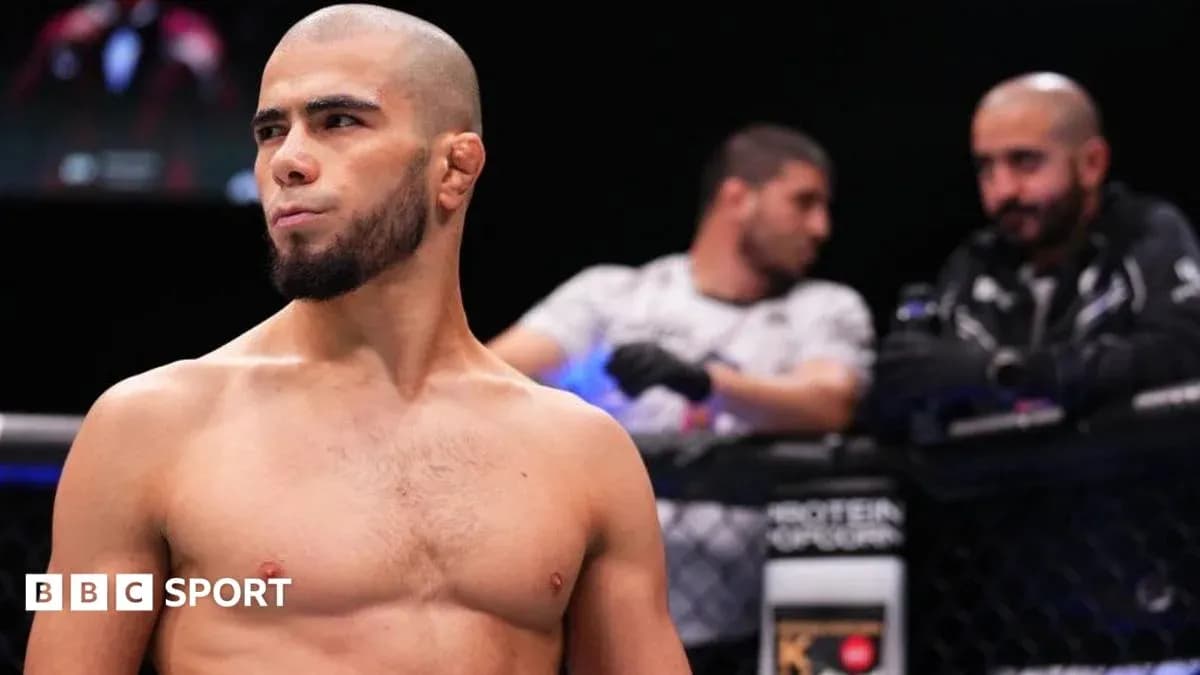
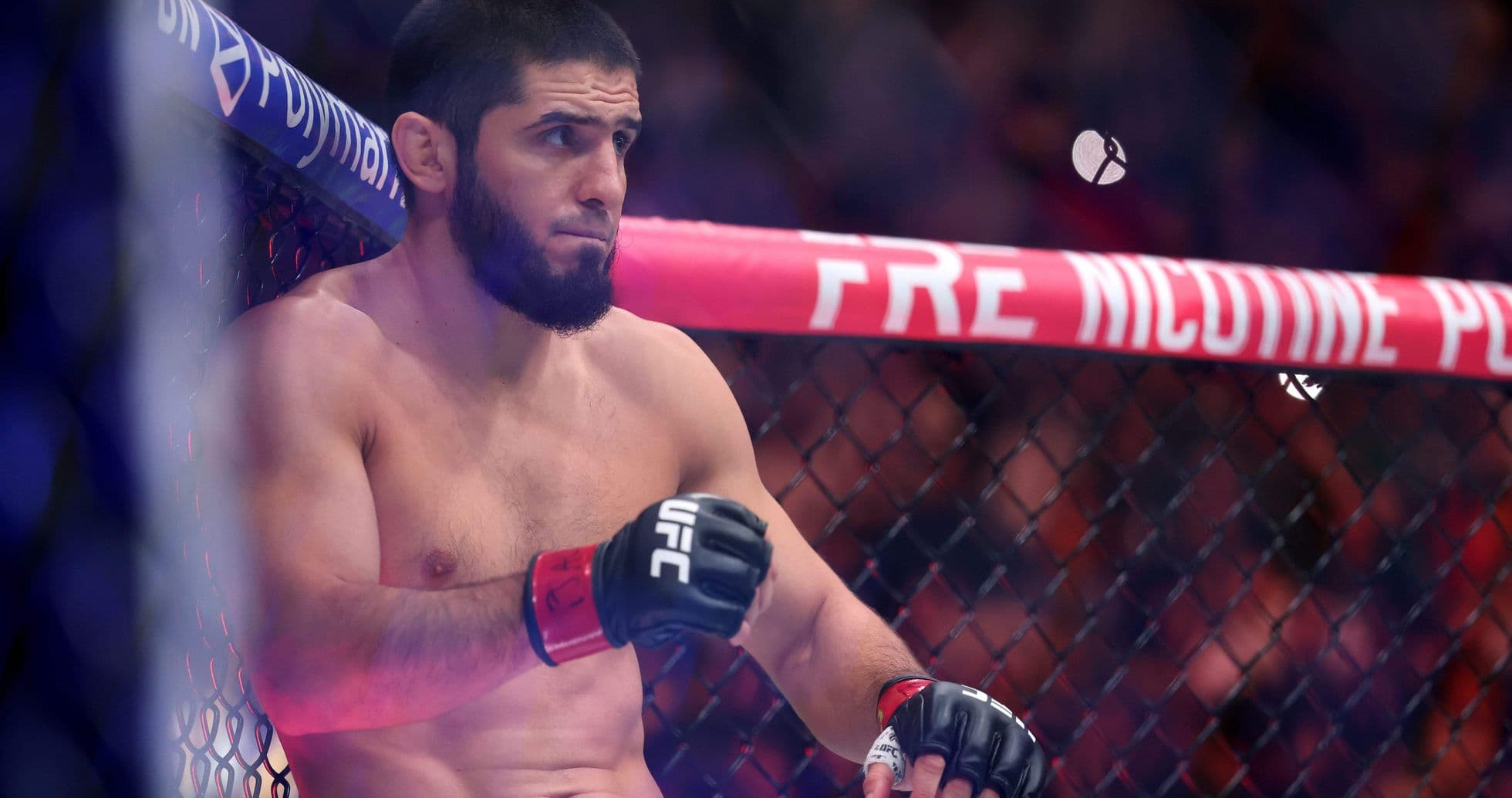
Muhammad Mokaev still doesn’t have an answer. Two years on from the night he beat Manuel Kape in Manchester and walked out of the UFC a winner – and, stunningly, soon to be unemployed – the questions haven’t stopped.
From title push to release in a single night
July 2024 should have been the night Muhammad Mokaev arrived as a genuine flyweight force. Seven fights in the UFC. Seven wins. A unanimous decision over Manuel Kape at UFC 304, in front of a British crowd, had the Russian-born Briton looking like a man closing in on a title shot.
From the outside, it all made sense. Young, unbeaten, a grinding style that shut down seasoned contenders. A refugee who had moved to Britain at 12 and built himself into one of the most promising 125-pounders on the roster.
Then Dana White stepped to the microphone.
Later that night, the UFC president announced the promotion would not be re-signing Mokaev. No title push. No new deal. No clear explanation.
The instant reaction pointed to his behaviour in fight week. Mokaev had clashed with Kape at the hotel and again at the weigh-ins, a simmering rivalry boiling over in front of cameras and security. It was easy to assume the UFC had simply had enough.
Mokaev rejects that completely.
“If we talk about behaviour, right – if I'm a bad guy, why would you let me fight seven fights and renew my contract twice?” he told BBC Sport. “If I'm a bad guy in the company and organisation, they would cut me after one or two fights.”
For him, the problem lies elsewhere.
A style the UFC didn’t want
Mokaev believes his wrestling-heavy approach counted against him long before the Kape feud. He burst into the promotion with a 58-second submission win in his debut, then followed it with a dominant decision over Charles Johnson.
The response from the UFC, he says, was blunt. After the Johnson fight, he claims the promotion texted his manager: “he needs to stop wrestling – we don't want these decision guys”.
The numbers don’t match the criticism, in his view.
“I have around a 60% finish rate in the UFC. Four out of seven fights were finishes against top guys,” Mokaev said. “I don't know what else I need to do to show them – I was 21 when I was fighting these veterans and now I'm much better and much stronger.
“From 21 to 23, I beat all these guys. Even Manuel Kape, and he is ranked number two right now. I really don't understand the politics. I really don't know. I wish I knew the full story behind everything.”
That gap – between what he feels he delivered and how the UFC judged it – still gnaws at him.
Eight fights, four finishes, no call
Look at his schedule since leaving the UFC and the picture is clear: this is a man fighting his way back towards the door that slammed shut.
Few flyweights anywhere have been as active. Eight fights in two years. He has choked opponents, folded them with body kicks, stunned them with head kicks, stopped them with punches. He has collected belts in Brave CF and ACBJJ, building a résumé that, on paper, should be hard to ignore.
Yet the phone has stayed quiet.
Hunter Campbell, Mick Maynard and Sean Shelby – the matchmakers who shape UFC careers – have not brought him back. Mokaev is in a WhatsApp group with Campbell and Shelby, close enough to message, far enough away to feel frozen out.
From his side, the frustration is sharp.
“Hunter made me a promise. They basically wasted two years of my life,” he said. “That's how I feel right now. I don't think what they are doing is right.”
The sense of shifting targets, of promises made and then blurred, has become a theme in his post-UFC story.
A $10,000 offer and a hard no
The most pointed example, in Mokaev’s eyes, came away from MMA altogether.
He says the UFC offered him $10,000 (£7,399) to compete in UFC BJJ, a Brazilian jiu-jitsu event, against bantamweight champion Mikey Musumeci – one of the sport’s most decorated names.
For a five-time world champion on the other side of the mat and no guarantee of an MMA future, the number felt insulting. Still, Mokaev was ready to take it if it led him back to the Octagon.
He says he laid out a simple condition: he would face Musumeci if the UFC gave him a contract afterwards.
The answer, he recalls, was firm. “They said, ‘no, this is different. BJJ is different. This is different. We have other plans.’ I told them where to go,” he said, admitting his reply to the promotion was laced with expletives.
That exchange helped cement his new approach to his career.
One-fight deals and a waiting game
Mokaev now operates on his own terms. One-fight deals. No long commitments. He wants leverage, flexibility, and the ability to move the moment a serious offer arrives from the UFC – if it ever does.
He has not lacked options. Since 2024, more lucrative, multi-fight contracts have landed on the table. He has turned them away or left them on hold, reluctant to lock himself into a promotion if there is any chance the UFC door might reopen.
One of the most significant approaches came from the Professional Fighters League. The PFL wanted him in its bantamweight division – a move up to 135 pounds, because the organisation does not currently run a men’s flyweight bracket.
Mokaev hasn’t dismissed that path. Far from it. The PFL’s merger with Jake Paul’s Most Valuable Promotions in July has changed the landscape, and if a 125-pound division emerges from that deal, he admits he would be tempted to sign.
For now, he keeps his options open and his schedule busy.
“I want to stay active because I'm still young. I just turned 26 – most people start their careers at this age,” he said. “I'm going to do what's best for my family.”
The UFC may yet call. The PFL may build a division around him. Another promotion may decide a restless, relentless flyweight is worth the investment.
Until then, Muhammad Mokaev fights on – chasing the answer to a question that should never hang over a 26-year-old on a 7-0 UFC run: how did it come to this?