.svg&w=384&q=75 "logo")
Liverpool's Tactical Challenges and Transfer Needs Ahead of Anfield Debut
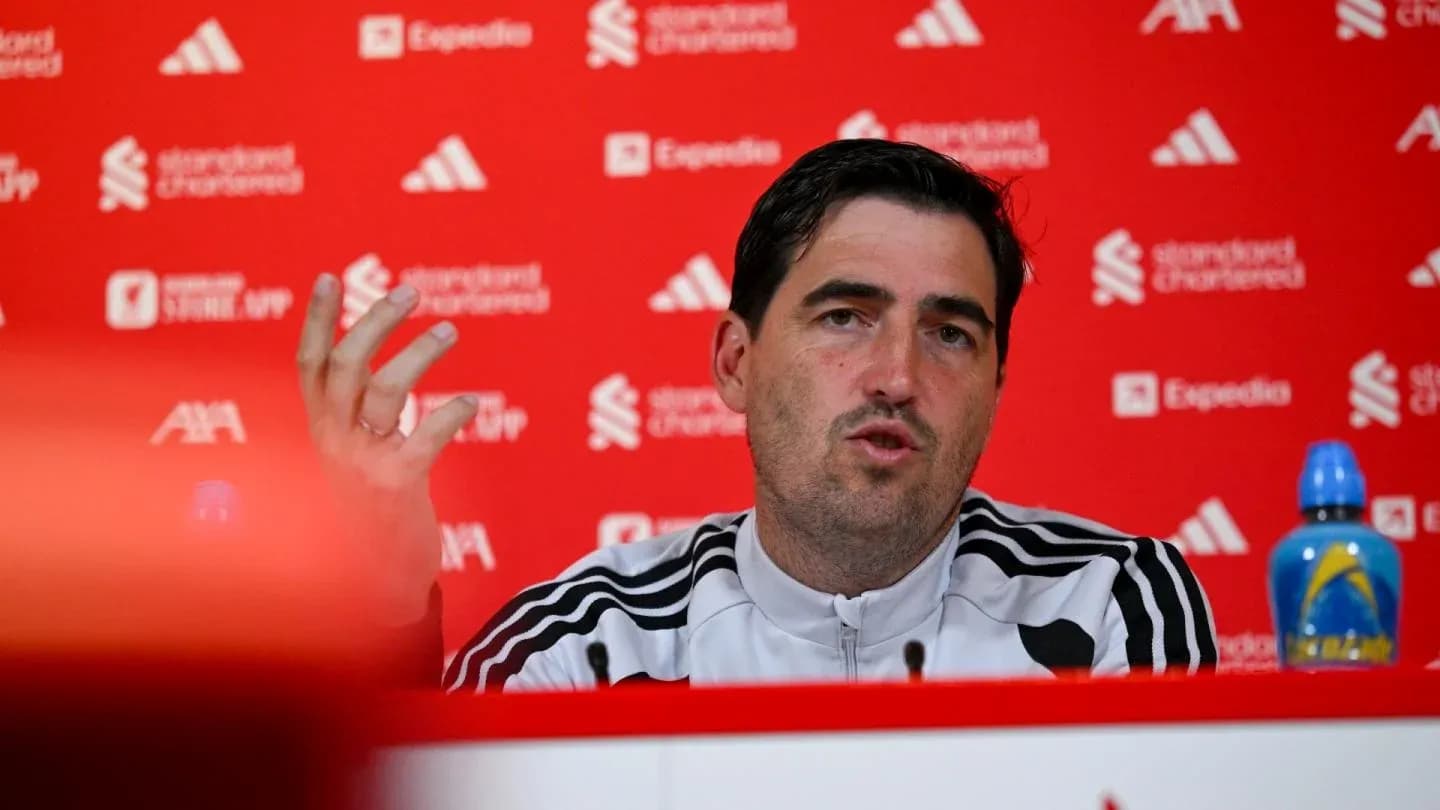
At the AXA Training Centre, Liverpool’s head coach cut a calm but unmistakably urgent figure. The Premier League has barely begun, yet the fault lines in his squad – and the demands of Anfield – are already shaping his every word.
Wide men wanted, deals still distant
He did not bother to disguise Liverpool’s most obvious gap.
“As you know, we are trying to sign in that position,” he said of the wide areas, the flanks that once defined Liverpool’s attacking identity. The need is blunt: they do not “have the numbers” out wide, and the club is working to fix it.
He refused to name targets – he cannot, by the rules of the game – but he made it clear the club hierarchy has been fully briefed. The plan has been in place “since the beginning,” the profiles are agreed, and now it comes down to execution.
“I hope we can have good news soon,” he admitted, before adding the line every manager hates to say in the final week of a window: “We are still not there.”
For now, patience. Four or five more days of it.
Walking the tightrope: attack, defence and the “joystick”
Liverpool’s opener showed both the promise and the peril of his approach. Fluid going forward, punished on the break.
“The key – you said – is the balance,” he agreed, and he went straight back to that first goal conceded. The lockdown wasn’t right. The structure behind the ball wasn’t sharp enough. They were hurt, and he knows it.
But he has no interest in turning Liverpool into a risk-averse, safety-first side just to plug a leak.
“You don’t want to lose the offensive side, the fluidity, the arrivals with numbers,” he insisted. Strip that away and Anfield gets a different kind of punishment: the kind that comes with a stale, predictable team.
The real work, he argued, lies in teaching players to read danger in real time. A coach cannot “be with the joystick every time with the player.” The best ones smell the threat, feel when they must stay rather than surge.
“There are players that are very good, they’re smelling, ‘OK, there is real danger, I can’t take the risk of going. Now I think I have to stay.’” That, in his eyes, is a quality in itself.
Midfield freedom, not chains
The same tension runs straight through his midfield.
He knows Liverpool cannot attack with everyone and leave the back door wide open. But he has no intention of telling Ryan Gravenberch to put the brakes on his game, or asking Dominik Szoboszlai to play with a handbrake on.
He went back to a pre-season goal against Monaco: a slick one-two between Gravenberch and Szoboszlai, the slide-rule pass to Alex Isak, the finish. Nobody complained then about both midfielders being high and on the edge of the box. “No, they said, ‘Incredible goal, lovely goal.’”
The point landed. The same movements that leave you exposed can also win you games. The task is not to stop them, but to balance them.
Sometimes a full-back goes and the other stays. Sometimes both can go, if the opposition sits deep and Liverpool already have the numbers behind the ball. If the opponent leaves runners high, the calculation changes. Recognising those pictures, in the chaos of a Premier League match, is what he wants from his players now.
“Meaningful possession” and a sense of control
There has been outside noise about control. About whether Liverpool can truly dictate games over 90 minutes.
He pushed back.
“I felt we controlled the game, honestly, quite well the other day,” he said of the 2-2 draw with Newcastle. Yes, they conceded two transitions. Yes, that matters. But across the contest, he felt Liverpool’s possession had purpose.
This was not sterile passing for the sake of it. He called it “meaningful possession” – direct, aggressive, keeping the team high up the pitch. During the game, his own touchline instinct told him something important: he always felt Liverpool were closer to scoring than Newcastle for most of the match.
The scoreboard says 2-2, and that cannot be changed. The performance, though, has given him more belief than doubt.
An emotional first league step at Anfield
Now comes the moment that changes every Liverpool manager: the first Premier League game at Anfield.
He has already had a taste of the place in pre-season, but he knows this is different. Competitive, charged, unforgiving.
“It’s definitely a special moment for me,” he admitted. He will be locked into the details, the game plan, the adjustments. Yet he knows the emotion will be there, because it should be there. “It is a special place. I’ve had to fight a lot to arrive to this place.”
He wants the night to go well. He also wants to enjoy it. Managers rarely get both.
Glasner’s Forest: nothing for free
Standing in his way is an opponent he knows well. Oliver Glasner’s Nottingham Forest are still forming in the public mind, but the Liverpool coach has no illusions about what is coming.
“I think he has been very successful,” he said of Glasner, and his respect was clear. The shape is already defined. The defensive work, tight. Chances, scarce.
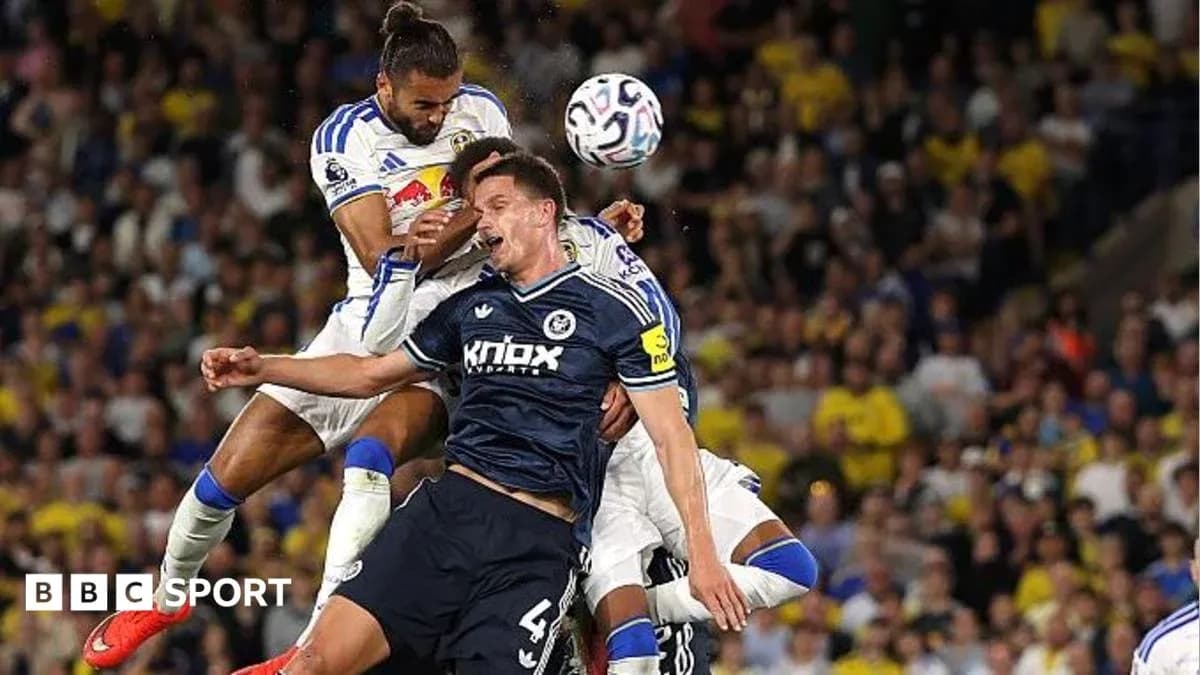
He pointed to Forest’s narrow defeat to Leeds in the league – settled only by a 90th-minute free-kick. Until then, Forest had arguably created more.
“They don’t concede a lot of chances,” he warned. “We will have to earn every chance. They don’t give you [anything] for free.”
Liverpool will need patience on the ball, precision in the final third, and a sharp edge against the counter. Forest have threats up front, like almost every side in this league, and transitions will again be a fault line Liverpool must manage.
Transfers, clarity and the clock
The transfer window looms over everything.
He did not pretend to know how it ends. “I don’t know what’s going to happen,” he said, and this time there was no attempt to dress it up. He will be “comfortable” only once the deadline has passed and the club tells him, definitively: this is who we are, these are the options you have.
Then, and only then, can he fully lock in on the squad as a finished group rather than a moving target. For now, he carries an image in his head of what he wants. The club knows it. The talks have been long-running. “It’s a matter of closing the deals.”
If those wide reinforcements arrive, the balance of his team – and his season – shifts.
A promising debut, and the cost of youth
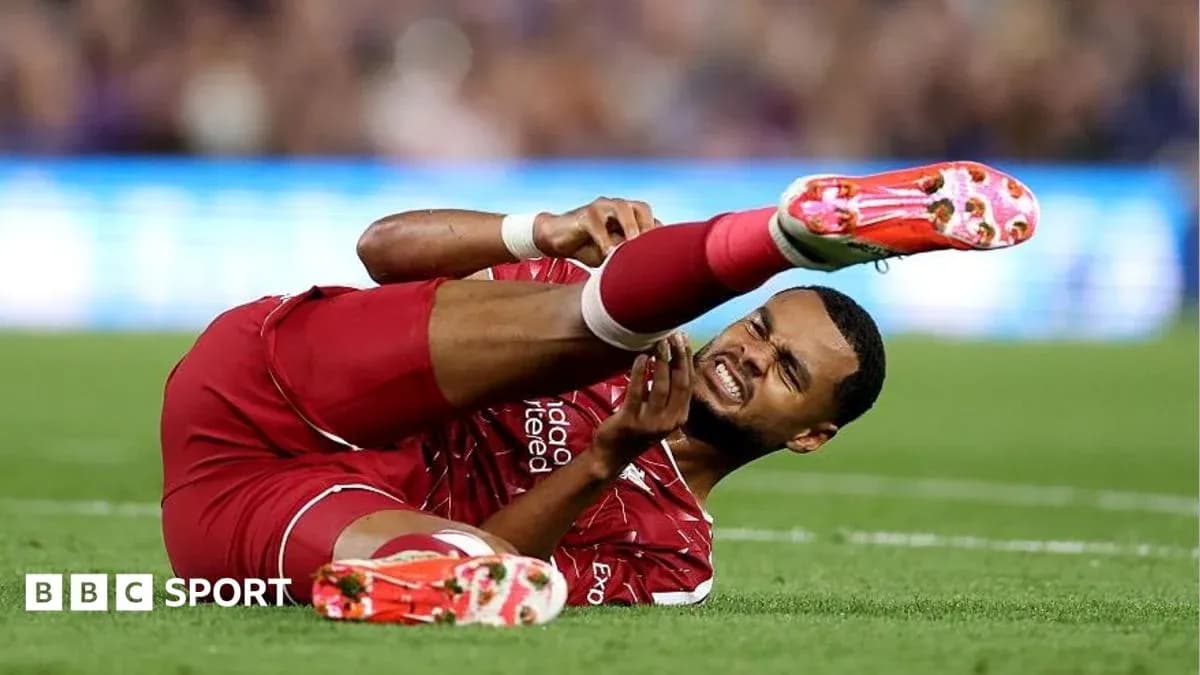
Amid the bigger themes, there was room for a quieter, important detail: Jeremy Jacquet’s first Premier League appearance.
Thrown in with only “basically 45 minutes of pre-season” behind him, the young centre-back impressed his manager. Confident on the ball, solid without it, he played “very well” in context.
The fatigue was obvious late on; the substitution was about legs, not trust. “You can feel [it], especially with centre-backs,” the coach noted. Jacquet is young, new, and will make mistakes. That is part of the deal. For now, his training levels and early performance have encouraged the staff.
Liverpool step into Anfield’s league spotlight still searching for wingers, still chasing perfect balance, still learning each other under a new head coach. The stadium will demand answers. How quickly this group finds them may define far more than just a night against Nottingham Forest.