Lennart Karl's Bayern Munich Journey Faces Challenges
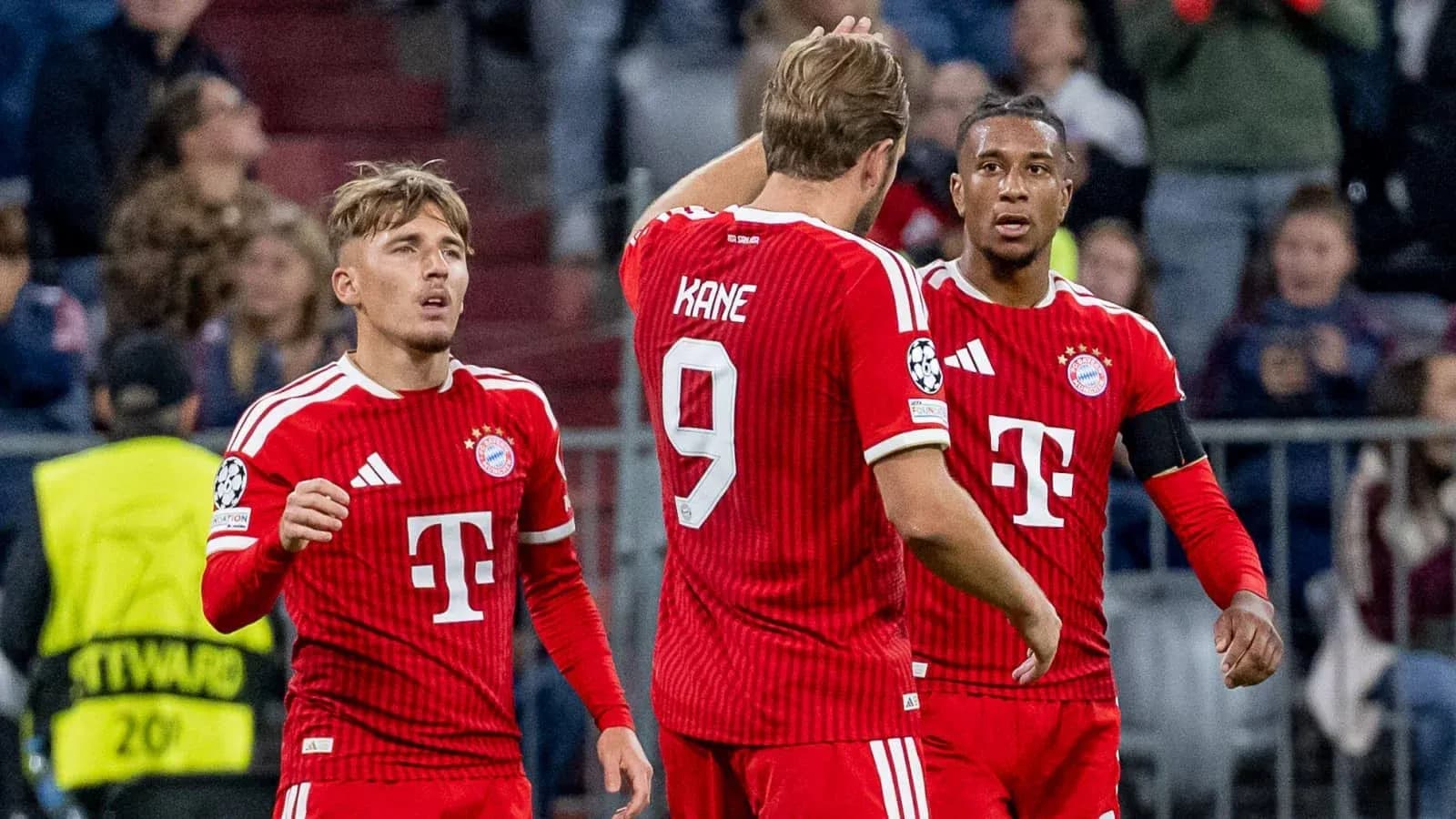
Lennart Karl was supposed to be Bayern Munich’s next great statement of faith in youth. New contract signed, big suitors rebuffed, pathway seemingly clear. Instead, less than a year on, his rise has stalled and the noise around him has grown louder than his minutes on the pitch.
Across Europe, clubs are listening.
From Bayern’s golden boy to a complicated case
At 18, Karl is already deep into the spotlight. Bayern tied him down earlier this year, a deal that ran past the interest of Arsenal and Liverpool, who both made serious plays to lure him away. He chose Munich. He chose the pressure cooker.
Last season, that decision looked inspired. Under Vincent Kompany, Karl broke through with the kind of numbers that make scouts sit up and sporting directors start recalculating their budgets: nine goals and seven assists in 34 appearances. Not cameos. Not token minutes. Real, meaningful involvement for a teenager at one of the game’s most demanding clubs.
Germany noticed. Julian Nagelsmann handed him his first senior caps and took him into the initial World Cup squad before injury cut short the dream of a trip to North America. New national coach Jurgen Klopp has kept him in his preliminary selections, a clear sign that, in the eyes of the DFB, Karl remains part of the country’s long-term plan.
On paper, everything points upwards. On the ground in Munich, it feels very different.
Minutes dry up, questions pile up
This season has bitten hard. Karl has started just two Bundesliga games and one in the Champions League. For a player who tasted regular action so early, that drop-off is stark.
Part of the story is footballing. Ismael Saibari has arrived and hit stride quickly, tightening competition in the attacking roles Karl covets. Kompany suddenly has another trusted option, and the teenager has slipped from near-automatic selection to an occasional starter.
But the concerns at Säbener Straße do not stop with tactics or form. Bayern sources have flagged unease over aspects of Karl’s behaviour away from the pitch. The club has seen enough to move the discussion beyond quiet internal chats.
It has reached Uli Hoeness.
Hoeness steps in with a blunt warning
When Bayern’s honorary president speaks publicly about a young player, it carries weight. When he does it in this tone, it carries a warning.
“I intend to have a serious conversation with him. He is far from being a superstar,” Hoeness told BILD, cutting straight through the hype that has swirled around Karl since his breakout.
“Young players need to have humility. The comparisons with [Michael] Olise are clearly not doing him any good. There is still a huge difference between the two.”
Those lines are not a passing remark. They are a message, both to Karl and to those around him. Bayern have seen what happens when young talents start believing their own headlines too early. Hoeness, who has watched Michael Olise grow into a major star in Munich, is drawing a clear line: one is established, the other is still very much at the beginning.
For Karl, the subtext is brutal but simple. The club will back his talent, but not his ego.
Europe starts to circle
Whenever a gifted teenager hits turbulence at a superclub, the rest of Europe takes notice. This case is no different.
Intermediaries have already started making calls. Arsenal and Liverpool, who pushed hard before Karl renewed at Bayern, are tracking developments closely. Manchester United have now been alerted as well, placing three of the Premier League’s biggest clubs on standby in case the situation deteriorates.
The interest stretches beyond England. Barcelona and Real Madrid, who both tried to sign Karl when he was just 10 after he lit up a youth tournament, have not forgotten him. Their early pursuit helped shape his reputation as one of Germany’s brightest prospects. Now, they are watching again, this time with a very different context: not a free-spirited academy prodigy, but a contracted asset at a powerhouse, wrestling with expectations and scrutiny.
For now, there is no suggestion of an imminent exit. Karl’s contract runs until 2029, a long-term commitment that leaves Bayern in a position of strength. Any serious move would require huge money and a shift in the club’s stance.
But if his role does not grow, if the off-field concerns linger, his future will become a major storyline heading into 2027. Clubs are preparing for that possibility already.
A crossroads in Munich
Inside Bayern, the hope remains straightforward. They want Karl to reset, respond to criticism with maturity, and fight his way back into Kompany’s plans. The talent that drew interest from Barcelona, Real Madrid, Arsenal, Liverpool and United has not vanished. It just sits, for the moment, in a holding pattern.
The next steps belong to the player. Does he absorb Hoeness’ words, sharpen his focus and reclaim the trajectory that made him a Germany international before his 19th birthday? Or does this season mark the start of a longer, more complicated battle for relevance at one of the hardest clubs in the world for young attackers to truly own a place?
For Bayern, for Germany, and for the giants already positioning in the background, the answer will shape far more than one teenager’s career.