.svg&w=384&q=75 "logo")
Juventus and Milan Face Tough Europa League Challenges
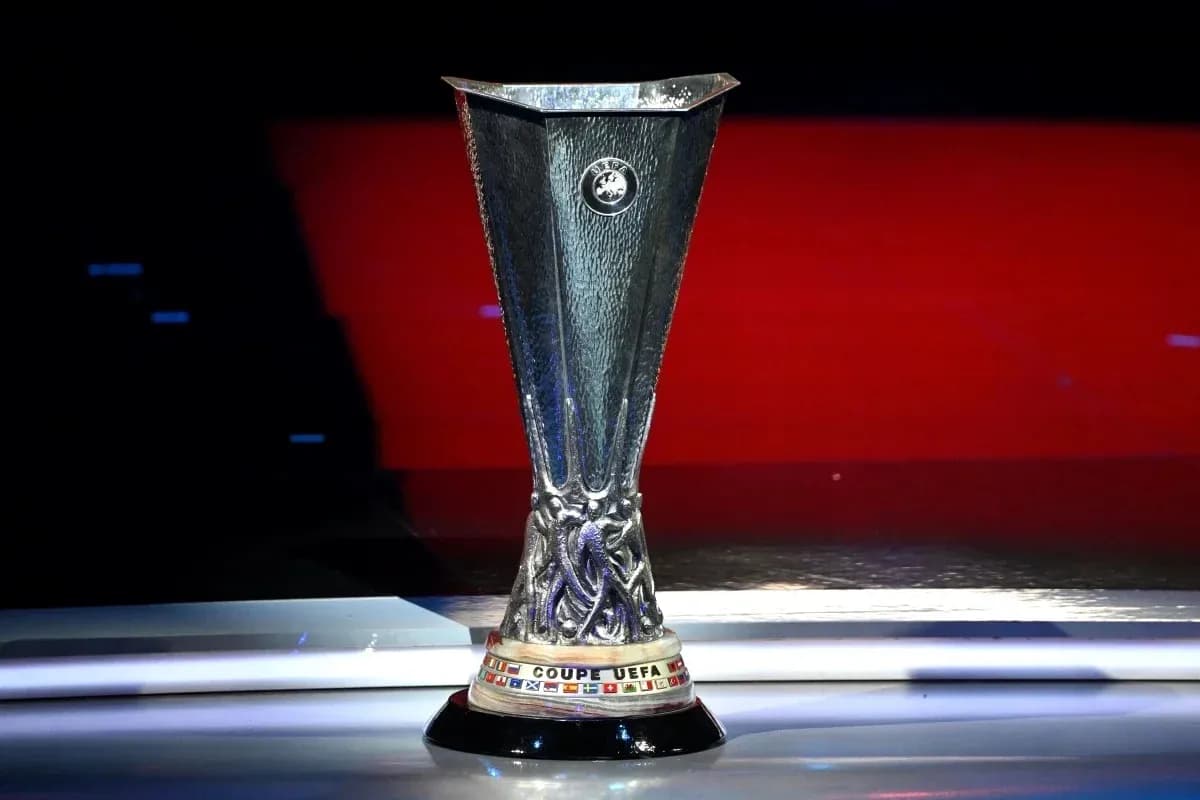
The Europa League will not ease either of Italy’s two standard-bearers back into continental life. In Montecarlo, Juventus and Milan discovered league-phase schedules loaded with awkward trips, hostile atmospheres and just enough glamour to sharpen ambition.
Both clubs arrive via the side door. Milan finished fifth in Serie A last season, Juventus one place behind in sixth. Now they carry the entire weight of Serie A into the 2026-27 Europa League as its only representatives.
Juventus: Tradition meets traps
For Luciano Spalletti, the picture is clear. His Juventus must navigate a league phase that blends pedigree with potential pitfalls.
The Bianconeri host Real Sociedad, Rennes, Omonia and NEC in Turin, and travel to AZ Alkmaar, Ferencváros, Celta Vigo and Hapoel Beer Sheva.
It is a group that offers everything. Technique, intensity, long-haul flights, and cold winter nights.
Real Sociedad at home jumps off the page. A polished, possession-heavy side, hardened by La Liga, arriving in Turin will provide an early measure of Juventus’ European level. AZ Alkmaar away is another stern test, the kind of sharp, high-tempo Dutch side that punishes any lapse in focus.
Then come the journeys that can define a campaign. A trip to Ferencváros, always backed by a fierce Budapest crowd. Celta Vigo away, a trek to Galicia where the football is quick and the margins thin. Hapoel Beer Sheva in Israel, a demanding travel assignment and a fixture that can become complicated if taken lightly.
Rennes, Omonia and NEC at home offer Juventus a platform. These are the nights where Spalletti’s side must impose themselves, bank points, and avoid the kind of slip that turns a solid campaign into a scramble.
Spalletti cut a dejected figure on the touchline in Frosinone on August 23. The Europa League now hands him a different kind of challenge: restore Juventus’ European edge in a format that rewards consistency as much as star quality.
Milan: Big names and English grit
Ruben Amorim’s Milan have drawn a schedule with a distinctly European feel: tradition, noise and a slice of English steel.
The Rossoneri will face Benfica, Ferencváros, Sunderland and Ararat at San Siro, while travelling to Olympiacos, Salzburg, Bournemouth and Levski Sofia.
Benfica at home is a classic European fixture. Two clubs with rich continental histories, both expecting to be in the latter stages of this competition. That night in Milan will carry the weight of old rivalries and new ambitions.
Olympiacos away is never just a match. It is a test of nerve in Piraeus, where the atmosphere swirls and the game can run away from you in 10 frantic minutes. Salzburg, with their relentless pressing and youth-driven energy, will stretch Milan’s structure and concentration in Austria.
Then there is the English double. Sunderland at San Siro, Bournemouth on the south coast. Different profiles, same warning: underestimate them at your peril. Sunderland bring history and a fanbase that travels in numbers; Bournemouth, a compact Premier League-style challenge, will look to drag Milan into a physical, fast-paced contest.
Levski Sofia and Ararat round out the slate, but they are not footnotes. Points dropped in Sofia or against the Armenian side could prove costly when the table tightens in January.
On August 23 in Turin, Amorim’s touchline reactions told their own story: intensity, restlessness, a refusal to accept flat performances. The Europa League will demand that same edge across eight varied assignments.
The road to Frankfurt
The new league phase kicks off on September 16/17 and runs until January 28, 2027. Eight games each, one long table, no hiding places.
The rules are unforgiving. The top eight teams in the overall standings move directly into the Round of 16. Those finishing from eighth to 24th drop into a knock-out play-off, where one bad night can undo months of solid work.
From there, the road leads to Frankfurt, host of the Europa League final on May 26, 2027.
For Juventus and Milan, the draw has delivered opportunity wrapped in danger. They asked for Europe. Now Europe asks a simple question in return: are these two giants ready to look like giants again?