James McClean: A Hometown Hero's Struggle with Derry City
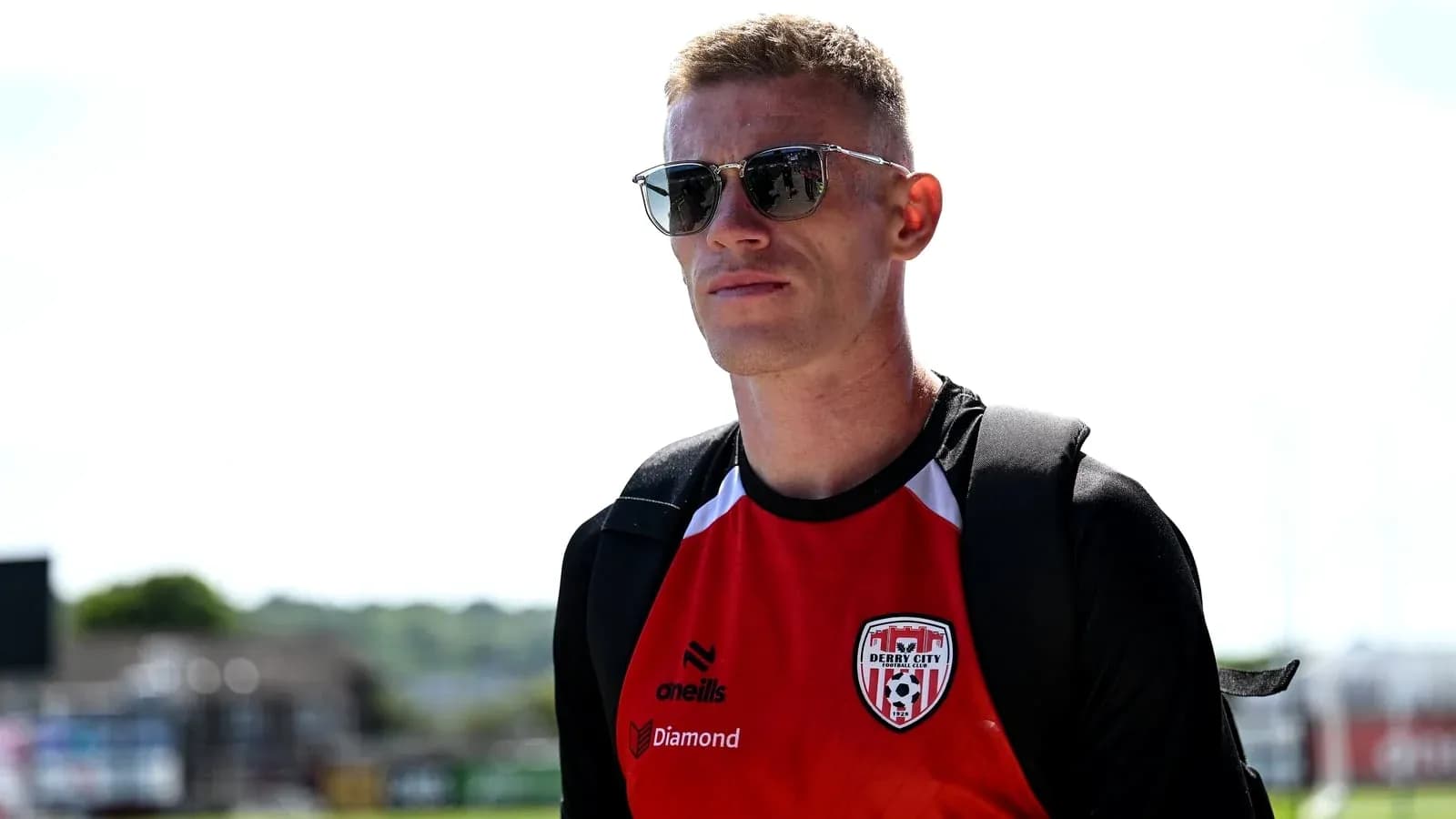
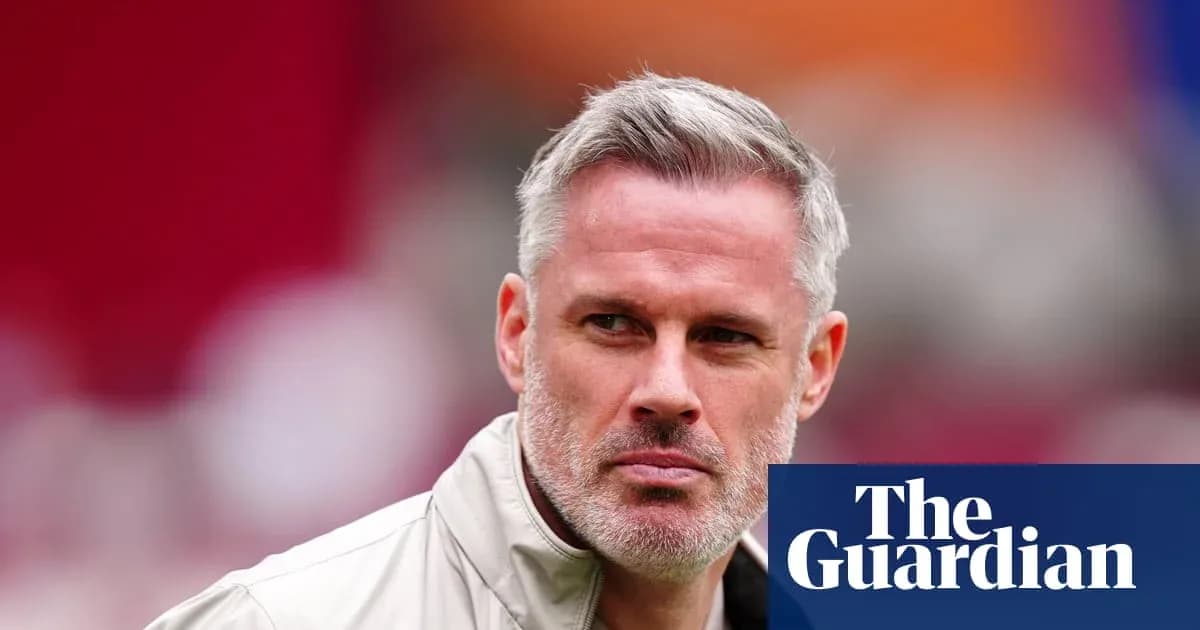
James McClean came home to Derry City in January believing he was closing the circle. The hometown hero returning from Wrexham, the boy from Creggan back in Candystripes red and white. It was supposed to be a full‑stop, maybe even a lap of honour.
Instead, at 37, one of Ireland’s most combative footballers finds himself on the outside, watching a game that has defined his life move on without him.
He calls it “struggling”. His wife calls it “a daily battle”. And for once, McClean isn’t trying to argue.
From homecoming to stand-off
McClean has not been named in a Derry City matchday squad since early July. The relationship between club and player has unravelled at startling speed.
He claims the club made an “incomprehensible” attempt to terminate his contract. The club, in turn, publicly distanced itself from his comments, stressing they “do not reflect” Derry City’s core values or beliefs.
The fallout has left one of the city’s most famous football sons feeling exiled in his own backyard.
“I’m struggling in my current situation,” he told RTÉ Radio 1’s The Brendan O’Connor Show. “You go home expecting and being told one thing, and for that not to work out, and then to be cast aside and then made to feel like a leper in a place where you thought they would never do that to you…for that to happen is very tough.”
He has yet to feature under interim manager Mark Connolly. For a player who has known little else but the rhythm of training grounds and matchdays, the silence of a weekend without football cuts deep.
“The one thing I have always loved doing, and all I have known, is playing football,” he said. “For a power to take that away from me wrongly, and unfairly, has been difficult.”
A book, a backlash, and a raw clarification
All of this has unfolded as McClean releases his book, The Walls, written with journalist Dan McDonnell. It is not a gentle stroll through a career scrapbook. The pages are heavy with childhood scars, a late discovery of his biological father, and a growing obsession with boxing as football edges towards its final bell.
He reveals he only learned who his biological father was around the age of 10. The man struggled with alcohol. McClean met him just once.
The book and its promotion opened doors he had kept bolted for years. Then came the interview with the Sunday Independent, and with it, a storm.
Asked about therapy, McClean was quoted saying: “As a man, I see that as weakness. I don’t need to open up. I see it as a weakness that I’d have to speak to someone about my feelings; my emotions.”
The reaction was fierce. In a week where he was already wrestling with his club future, McClean suddenly found himself at the centre of a wider debate on masculinity and mental health.
Speaking on RTÉ, he tried to put the quote back into its original frame.
“That (the comment about seeking counselling as a weakness) was a screengrab, it was put out there and people jumped on it,” he said. “My own club (Derry City) put out a statement that didn’t help in the slightest, but not one person reached out to me to say, ‘James, can you clarify what you meant?’”
“I’m pretty sure nobody actually read the context of the article. If they had, they would have seen that I was solely speaking on my own personal experience.”
He stressed that he has never looked down on anyone who chooses therapy. His words, he accepts, were clumsy. The conviction behind them was not aimed at others.
“Any man or woman that needs to go to therapy to help themselves, I couldn’t commend them any higher,” he said. “That’s not to say me going to the gym is wrong either because that works for me. I was solely speaking about me.”
Then came the line that cut through his own bravado: “Me saying the word weakness, was probably my weakness in saying that, but I’m not going to apologise that I’m in a place where I feel I don’t need to go to therapy. That’s in a way what I’m getting bashed for.”
A hard shell, a bruised core
For over a decade, McClean has worn the role of lightning rod. From political stands to social media spats, he has rarely backed away from confrontation. He admits that instinct has often made things worse.
“My biggest problem has always been social media,” he said. “In the moment, when I feel attacked, it’s almost like auto-pilot, I go on the offensive to show nothing bothers me.”
That armour now looks less like defiance and more like defence.
He says his wife Erin believes there is trauma from his childhood that he has “probably blocked out”. She has urged him towards therapy, particularly around the unresolved emotions tied to his biological father.
“She always says to me that she thinks it (therapy) will help. She is saying that based on situation surrounding my biological dad,” McClean explained.
Erin has also spoken publicly about the toll this year has taken on her husband, describing it as a daily struggle. McClean, asked directly if he agreed, did not try to dodge.
“I am struggling,” he admitted.
He talked about being “cast aside” at Derry, about the shock of feeling unwanted where he thought he was safest, about the sense of something being taken away rather than lost naturally.
For a man who has built a career on running towards the ball, towards the noise, towards the fight, this is a different kind of battle. One you can’t solve with a sliding tackle or a sprint to close down a full-back.
The fighter looking for a ring
As football loosens its grip on him, McClean has turned more and more to boxing. The sport threads through The Walls, a new passion arriving just as an old one starts to fade.
It fits. The discipline, the isolation, the idea of standing alone in a ring and taking whatever comes. For someone who has always embraced confrontation, the metaphor is almost too neat.
For now, though, the real fight is not about a new sport or the next chapter. It is about how this one ends.
Derry City and McClean remain locked in a cold stand-off. No resolution, no farewell, no final ovation at the Brandywell. Just silence, statements, and a player who feels shut out of the game he loves in the city he calls home.
He has 103 caps for his country, a career built on sheer will and refusal to bend. Yet as he stands at the edge of the professional game, the question is no longer about what he has left in his legs.
It is about whether anyone will let him use it.