Jack Grealish: From Champions League Hero to Cautionary Tale
On the biggest night in Manchester City’s history, Jack Grealish was trusted above all the other artists. Phil Foden, Julián Álvarez and Riyad Mahrez sat and watched while Grealish started and finished the Champions League final against Inter. Pep Guardiola backed him when it mattered most.
Three years on, that trust feels like a relic.
From centre stage to the margins
The slide has not been sudden, but it has been relentless. Injuries chipped away at his rhythm, form deserted him, and Guardiola’s faith cooled. Across the next two league seasons after Istanbul, Grealish started only 17 Premier League games. For a £100m signing, that is not a dip. It is a demotion.
By the summer of 2025, City were ready to move him on. Everton stepped in, first as a short-term solution, then as a repeat borrower. It suited everyone on paper: City trimmed their squad, Everton gained a proven Premier League attacker, Grealish got the promise of minutes.
Six appearances into this season, the old story returned.
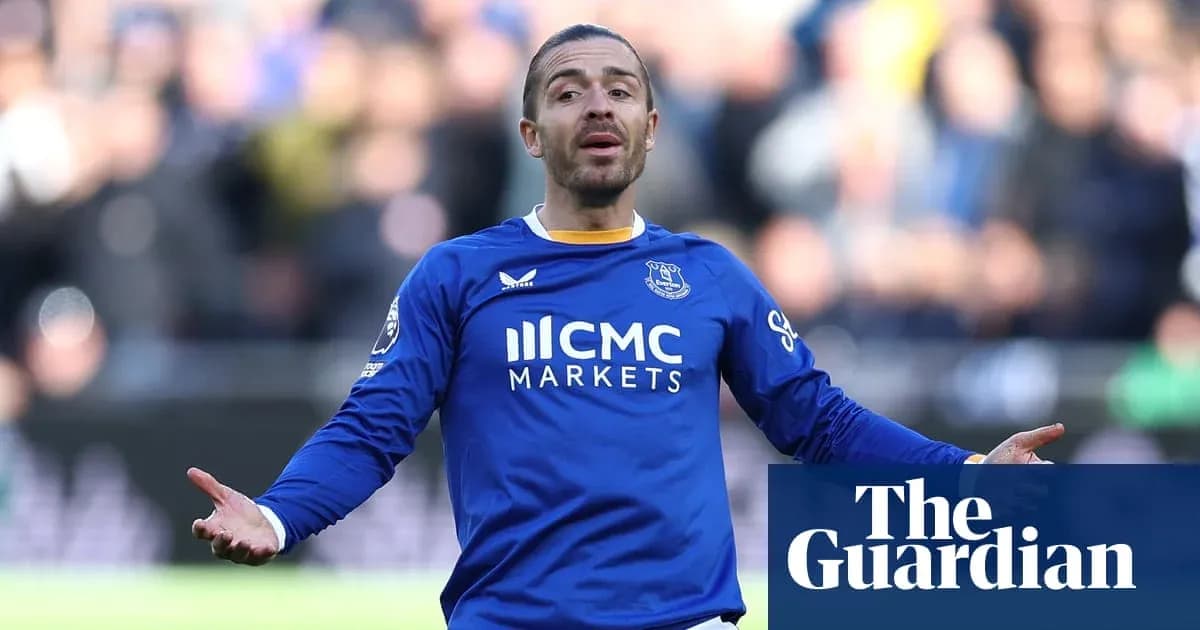
On Thursday, as Everton beat Newcastle in the Carabao Cup, Grealish was nowhere to be seen. Left out of the squad after missing training on Monday, he was hung out in public by his loan club, who confirmed “a breach of club discipline”. At 31, with 39 England caps, he is supposed to be one of the adults in the room. Instead, he is once again the cautionary tale.
A career shadowed by nights out
The list is depressingly familiar. Lockdown rules broken. A driving ban. Viral clips of him drunk in the street. None of it defines his talent, but all of it shapes his reputation.
Guardiola saw it early and tried to slam on the brakes. In 2021, he dropped Grealish for a match against Newcastle after he and Foden arrived at training in poor condition. The warning was public and pointed.
Grealish has never pretended he is a monk. He has spoken openly about his lifestyle, about the pull of nights out and the need to enjoy himself. “People go: ‘He likes to go out, he likes to party,’ and I do,” he told Sky Sports last year. He admitted he had not always “picked the right times”.
Awareness, though, is not the same as change. The pattern keeps looping back.
The Everton opportunity, fraying at the edges
When he first walked into Everton, it looked like the perfect reset. A big club, a demanding fanbase, a stage large enough to matter but small enough for him to be the star again.
For a while, he was. Winners against Crystal Palace and Bournemouth by early December last year. Six assists in 20 league games before a foot injury cut his season short in mid-January. He was patchy, yes, but he was present. Dangerous. Relevant.
The numbers still tell a different story in the long view. Grealish has not played more than 28 league matches in a season since 2019-20 at Aston Villa. For a player who relies so heavily on rhythm and confidence, that should alarm him more than anyone.
Even this summer, Everton hesitated. There were reservations about bringing him back. Only when Iliman Ndiaye was sold to City did the deal make hard sense. A familiar face to plug a sudden gap.
Enzo Maresca had worked with him through pre-season at City, gave him minutes in the Community Shield and on the opening day against Bournemouth, and spoke warmly of him. The Italian seemed open to the idea of a revival. The romance did not last. The idea of a full-scale redemption at City disappeared almost as soon as it was floated.
Maresca still chose his words carefully on Friday. “I still think that he’s a good boy, big heart,” he said. Affection, yes. Endorsement, no.
A talent that refuses to vanish – and a status that is
At his peak, Grealish remains intoxicating. Socks around his ankles, ball glued to his feet, he drifts past challenges, draws fouls, provokes chaos. He can lift a stadium with a single, slaloming run. He can create and score in the same move.
Those spells, though, have become cameos, not constants.
The next seven months will shape the rest of his career. At 31, he should be in his prime, an automatic pick at club level, a senior voice in the dressing room. Instead, his status is eroding. He is a treble winner and a £100m signing, but those achievements sit in the past tense. They do not protect him now.
His City contract runs out at the end of the season. The incentive could not be clearer. Shine for Everton, drive them towards the cup success they crave, prove he can still dominate Premier League games, and doors will open again.
Right now, they are not.
David Moyes’s response to questions about Grealish on Thursday was terse. The Everton manager is operating with a thin squad, counting every fit senior body. To lose one for avoidable disciplinary reasons will grate. It will also stick in his mind when the club weigh up whether to keep Grealish beyond this loan.
Loved by the crowd, questioned by the game
What makes this all the more jarring is how different Grealish can be away from the headlines. In a sport where elite players are increasingly distant, he is notably open. He signs autographs long after team‑mates have disappeared. He leans into charity work. He makes time for supporters.
At Hill Dickinson Stadium he is mobbed on arrival and departure, fans jostling for selfies, shirts, a second of his attention. He rarely refuses. He pours out energy, warmth, the easy charm that has always made him so popular.
Yet the one person he has not consistently looked after is himself.
“With me, I’m a big confidence player – I want to feel loved,” he once said. He will not feel that from Moyes, or from the wider game, unless something fundamental shifts.
The clock on his City contract is ticking. So is the patience of clubs willing to build around him. The question now is brutally simple: does Jack Grealish want to be remembered for Istanbul, or for all the chances that came after and slipped through his fingers?