Gabriel Jesus Rejects Flamengo for Barcelona Move
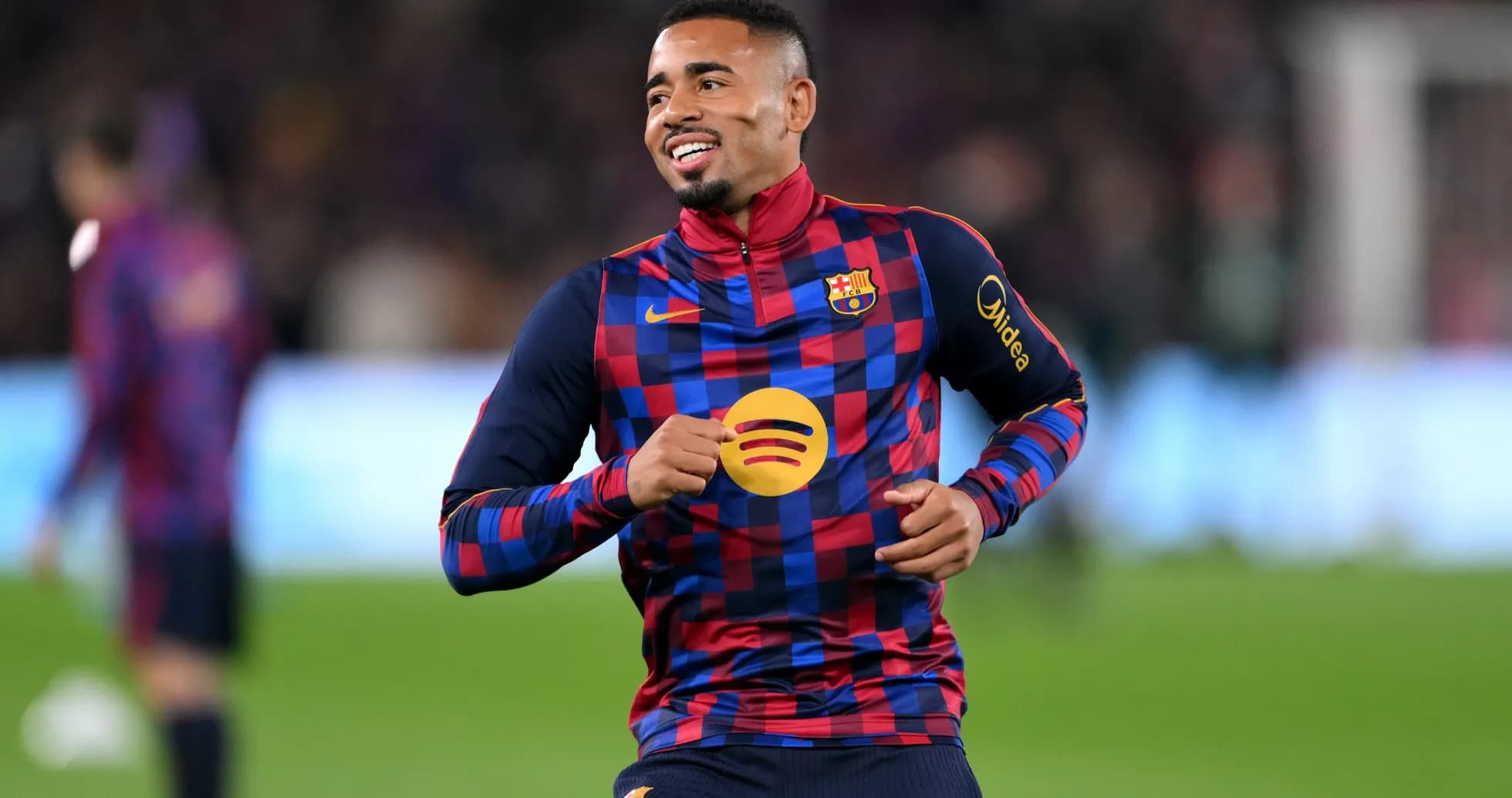
Gabriel Jesus had options. A return to Brazil, the embrace of one of the country’s biggest clubs, the chance to reset his career closer to home. Instead, he chose something very different: a deadline-day leap from Arsenal to Barcelona, and a firm reminder that in Brazil, club loyalties run deep and rarely fade.
Flamengo call rejected
Speaking to TV Bandeirantes, the Brazil international revealed that Flamengo tried to bring him back to Rio de Janeiro once it became clear he no longer featured in Mikel Arteta’s long-term plans at Arsenal. The approach was serious. So was his answer.
Flamengo saw an opportunity: a proven international forward, still only 29, whose time in north London had been blunted by recurring fitness problems. After a trophy-filled spell at Manchester City, his move to the Emirates had promised a new chapter as a leading man. Injuries kept interrupting the story. Uncertainty followed, and with it came enquiries from across Europe and South America.
One of Brazil’s modern superclubs believed they could tempt him home. They misjudged just how strong his ties lie elsewhere.
Palmeiras roots draw the line
To understand his refusal, you have to go back to São Paulo. Between 2013 and 2015, Gabriel Jesus came through the academy at Palmeiras, rising from promising youth prospect to national sensation. He was not just another youngster passing through. He became a symbol of a reborn club.
In 2015, he collected the Campeonato Brasileiro Série A Best Newcomer award and lifted the Copa do Brasil. A year later, he claimed the prestigious Bola de Ouro as Palmeiras ended a 22-year wait for a league title. Those seasons carved his name into the club’s modern history.
Across 83 appearances for Palmeiras, he scored 28 goals and supplied nine assists. Numbers that matter less than the context: a teenager carrying part of the weight of a giant waking up.
So when Flamengo called, the answer was framed by that past. Gabriel Jesus explained the conversation simply: “They wanted to talk to me, but I politely said: ‘I really appreciate the contact, but just as there are players from Flamengo's youth academy that you want to come back, I'm also a product of Palmeiras' youth system.’”
The message was clear. Some lines, in Brazilian football, are not crossed.
Barcelona now, Palmeiras later
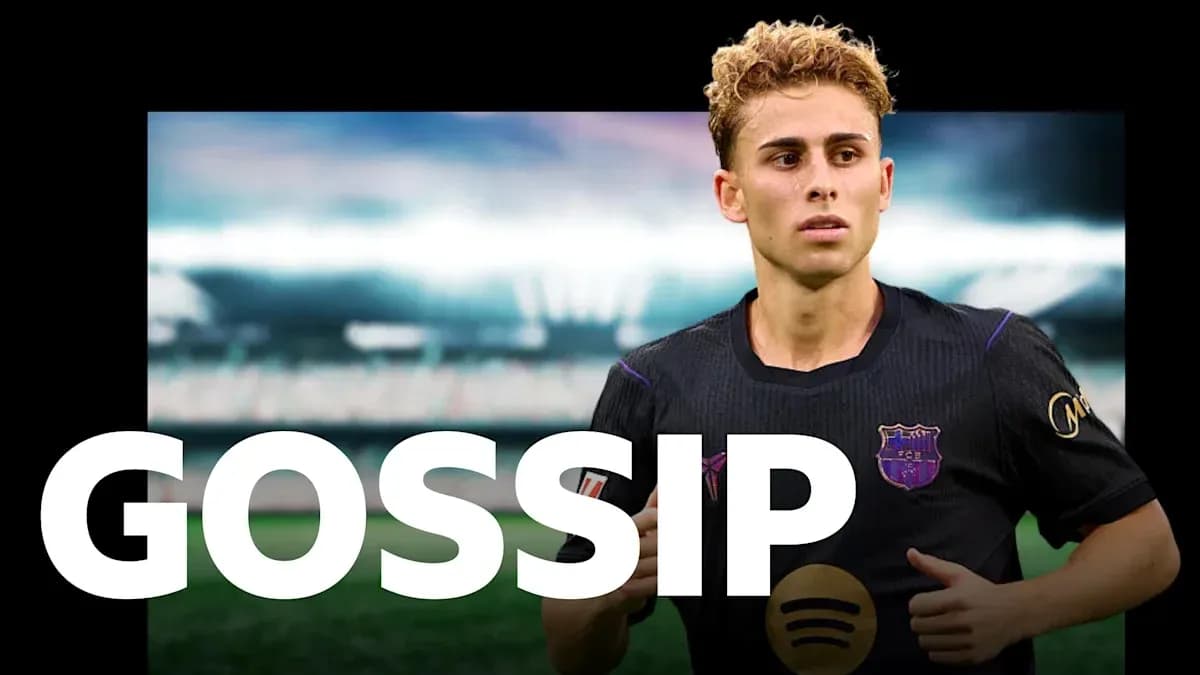
Instead of returning to Brazil, the centre-forward chose to stay in Europe and test himself again at the elite level. On deadline day, he signed a three-year contract with Barcelona, tying him to the Catalan club until June 2029.
For a player whose last seasons in England were disrupted by fitness issues, it is a bold decision: a fresh start at a club that demands immediate impact and constant excellence. It also delays the emotional pull of a homecoming that feels inevitable, just not yet.
Gabriel Jesus made it plain that when that day arrives, there is only one destination he has in mind. “I am Palmeiras, my mind is Palmeiras, 100% Palmeiras in a possible return. I don't know when.”
Barcelona get a forward still in his prime, eager to reassert himself on the European stage. Flamengo are left to look elsewhere. And Palmeiras, watching from afar, know that whenever Gabriel Jesus finally comes home, it will be to the same colours that shaped him.