.svg&w=384&q=75 "logo")
The Evolution of MMA: From Shadows to Social Media
Long before packed arenas, glossy broadcasts and global sponsors, mixed martial arts lived in the shadows – on grainy streams, niche forums and message boards where diehards argued over technique and toughness. The sport grew up online. It learned to speak in clips, in callouts, in late-night posts fired off after a brutal camp or a short-notice war.
That hasn’t changed. It’s just louder now.
In the wake of UFC Fight Night 287 in Paris, the echo moved straight to social media. Winners, losers, and the people who carry them through fight week all reached for their phones. The adrenaline of the walkout gave way to the glow of the screen. Celebration, frustration, relief – all of it poured out on X, Instagram and Facebook within hours of the final horn.
Some used the moment to thank the small armies behind them: coaches who game-planned every exchange, training partners who wore the damage in the gym, family members who lived every strike from thousands of miles away. Others vented, quietly or not, about what slipped away under the lights. A bad round. A missed opportunity. A judge’s scorecard that will sting for months.
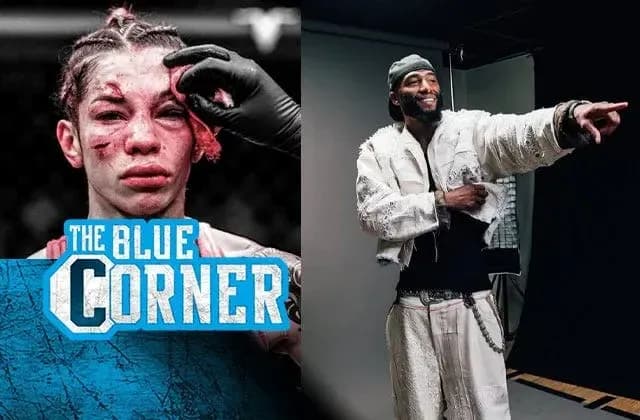
And then there are the fighters like Sofia Montenegro – on the wrong side of the result, but still very much in the conversation. Defeat in this sport is public and unforgiving. It lives forever on replay. Yet the first response is rarely silence. It’s a post. A message to supporters. A promise to rebuild. A reminder that one night in Paris does not define an entire career.
This is where MMA now breathes between events. Not just in the cage, not only on the broadcast desk, but in the constant, raw stream of reaction that follows. The fights end. The conversation doesn’t.