Eddie Howe: The Right Fit for Manchester United?
When Sir Jim Ratcliffe bought into Manchester United in early 2024, he talked about a British core, a club re-rooted in its own game and its own people. It sounded romantic, and expensive. A year on, with Michael Carrick struggling and the mood around Old Trafford souring, the romance is being stress-tested.
The first British head coach of the Ineos era is under pressure. If Carrick cannot halt United’s slide – with Chelsea’s visit on Saturday looming large – Ratcliffe and his new football structure may be forced into a decision far sooner than they had planned.
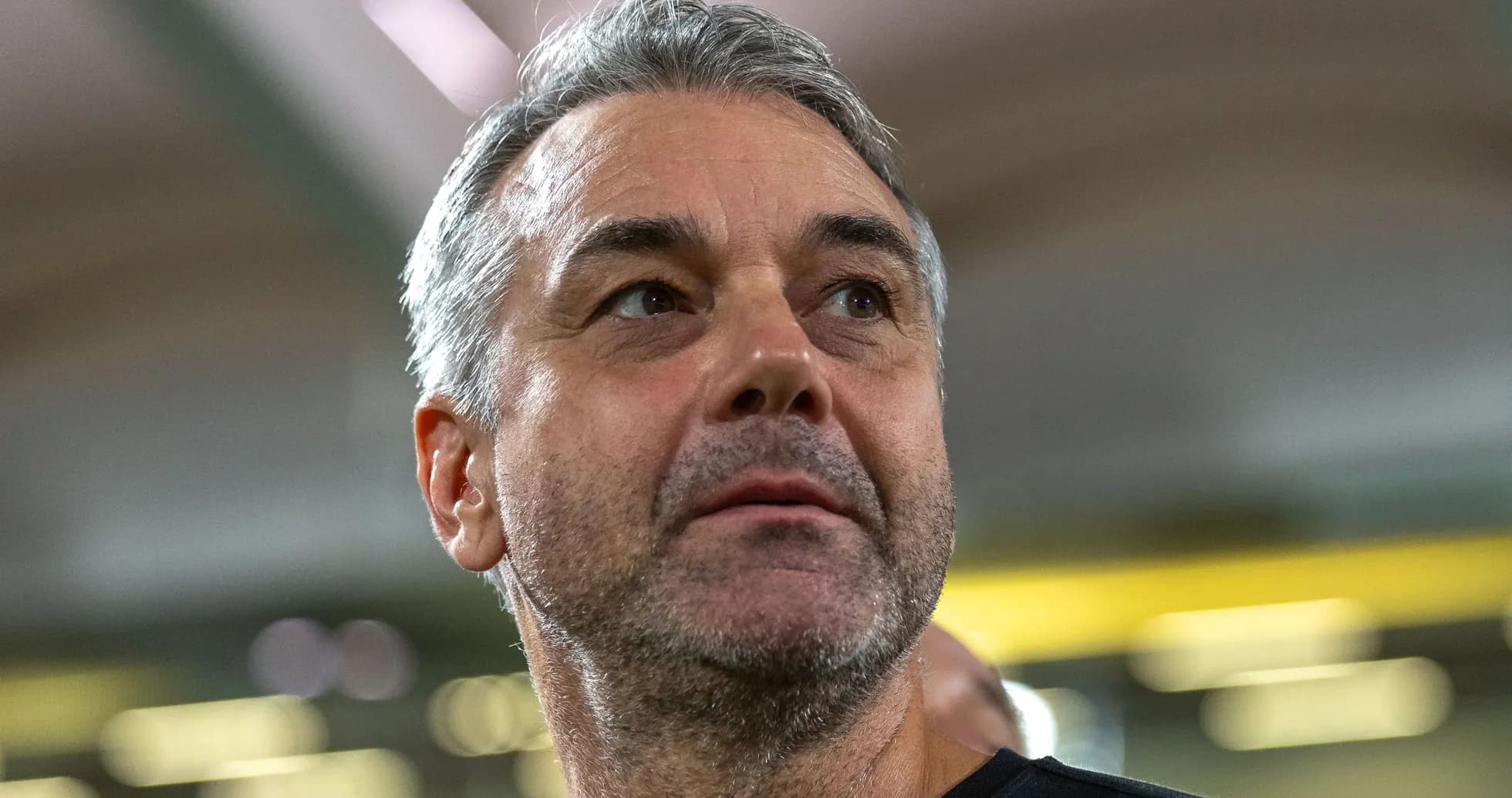
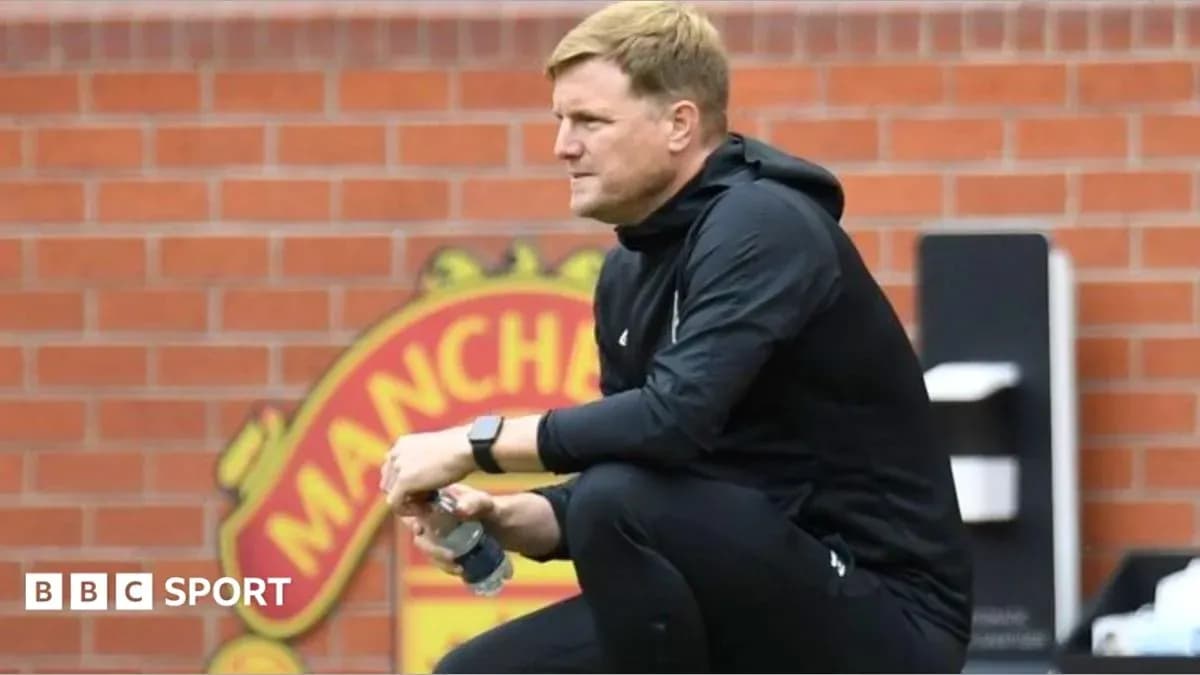
And waiting in the wings, whether fans like it or not, is Eddie Howe.
Howe’s body of work
Strip away the noise and Howe’s résumé is hard to argue with.
He walked into Bournemouth in January 2009 with the club staring down relegation from League Two. Six years later, they were in the Premier League. He didn’t just sneak them up; he established the Cherries as a top-flight club, then left in 2020 with his reputation as one of English football’s sharpest young coaches intact.
Newcastle was another rescue mission. Appointed in 2021 with the club in relegation trouble, Howe drove them not only to safety but into the Champions League – twice. He then delivered the EFL Cup in 2025, Newcastle’s first trophy in 56 years, a landmark moment on Tyneside.
Those who have worked closely with him paint a consistent picture: obsessive on the training ground, relentless in detail, and utterly fixated on building a winning culture. He is known as a coach who improves players, not just a manager who organises them.
He has not, though, managed one of England’s traditional superclubs. That is the line many critics keep returning to. Bournemouth and Newcastle, they say, are one thing. Manchester United is something else entirely.
They are right. But that doesn’t mean he is the wrong fit.
A divided chorus
The reaction to Howe’s name being linked with Old Trafford has been sharp and, in some corners, hostile.
Sections of the fanbase have been loud on social media, arguing he is not a big enough name to replace Carrick. For some, United must only be led by the biggest of global figures, regardless of recent evidence that such thinking has repeatedly led the club into cul-de-sacs.
Even among former United players, the support is mixed. Paul Scholes and Nicky Butt stopped short of endorsing Howe on their podcast, despite previously speaking in favour of the 48-year-old when Ruben Amorim was sacked in January. Their hesitation has been seized upon by sceptical supporters.
Roy Keane, though, sits firmly in the other camp. The former United captain has publicly backed Howe as a serious candidate, and he is not alone. Darren Bent, Gareth Barry and Jack Wilshere have all talked him up as the right man for the job, pointing to his track record of development and structure.
Dig a little deeper and the picture becomes familiar. Every managerial candidate at United now arrives with a split jury. The club is too big, the recent scars too deep, for unanimity.
Ultimately, the decision will not be made on podcasts or timelines. It will sit with chief executive Omar Berrada, sporting director Jason Wilcox and director of recruitment Christopher Vivell – and, beyond them, with Ratcliffe and the Glazer brothers.
Money, timing and a seven-figure question
Before they even reach Howe, United must deal with Carrick.
If the former Middlesbrough boss goes, he and his staff will need to be paid off. United’s recent history of hiring and firing managers has already cost the club dearly. There is little appetite inside the new structure to repeat the same expensive cycle.
Howe, though, does not come free – at least not yet.
When he left Newcastle in the summer, the club put in place a compensation structure designed to protect themselves against him walking straight into another job. The details remain confidential, but multiple sources have told BBC Sport that any club or national team appointing him would currently need to pay a seven-figure fee.
That figure started at around £6m and has already halved. The structure decreases over time and has an expiry date before the end of the season. Once that date passes, Howe can be appointed without a compensation payment.
So United face a choice. Pay up to a maximum of £3m now – a modest sum in an era of astronomical numbers – or wait, save the money, and risk another club, or even a national team, moving first.
For a club that has burned through millions on managerial change, it is no surprise if Berrada and Wilcox are keen to keep costs under control. Yet the clock is ticking, and so is the pressure.
Inside the decision room
Within United’s new football structure, the debate is already live.
Jason Wilcox is understood to favour Howe. The director of football sees a coach who fits the profile Ratcliffe initially outlined: British, meticulous, development-focused, capable of building something over time rather than chasing quick fixes.
Christopher Vivell, the director of recruitment, leans in a different direction. His preference is Julian Nagelsmann, the former Bayern Munich and Germany coach, a name that carries a different kind of weight and a more continental profile.
Their recommendations will go to Berrada. From there, the call moves upwards again, to Ratcliffe and co-chairs Joel and Avram Glazer. The structure is more defined than in previous years, but the stakes are as high as ever.
Howe is also viewed as a natural contender for the England job if that becomes available. If United pass on him now, they may not get another shot.
Which way they jump will say everything about the path Ratcliffe wants this club to follow: a British-led project built from the training ground up, or a more glamorous, global appointment.
A club still searching for itself
The scepticism around Howe does not exist in a vacuum.
Wilcox has already felt the heat, targeted by United fans during the 3-0 home defeat by Bournemouth. That anger reflects a broader disillusionment among matchgoing supporters with the football decisions made since Ratcliffe’s minority stake was confirmed.
Erik ten Hag, Ruben Amorim and Michael Carrick have all been backed at different points in this new era. None has yet come close to restoring United to the level the supporters demand.
Beneath every managerial debate lies a deeper question: can any coach truly succeed with the club’s current structure and the legacy of the last decade?
Whoever takes the job must weld together a squad assembled by six permanent managers, each with different ideas, different systems, and different priorities. It is a patchwork squad, and it needs a clear identity.
This is the context into which Howe’s name has been dropped. To some, he is not glamorous enough. To others, he is exactly the sort of builder United have been missing.
The decision, when it comes, will not just be about a man on the touchline. It will be a statement of what Manchester United want to be in the Ratcliffe era – and how brave they are prepared to be to get there.