Danks Defends Karl Amid Bayern Challenges: A Normal Journey
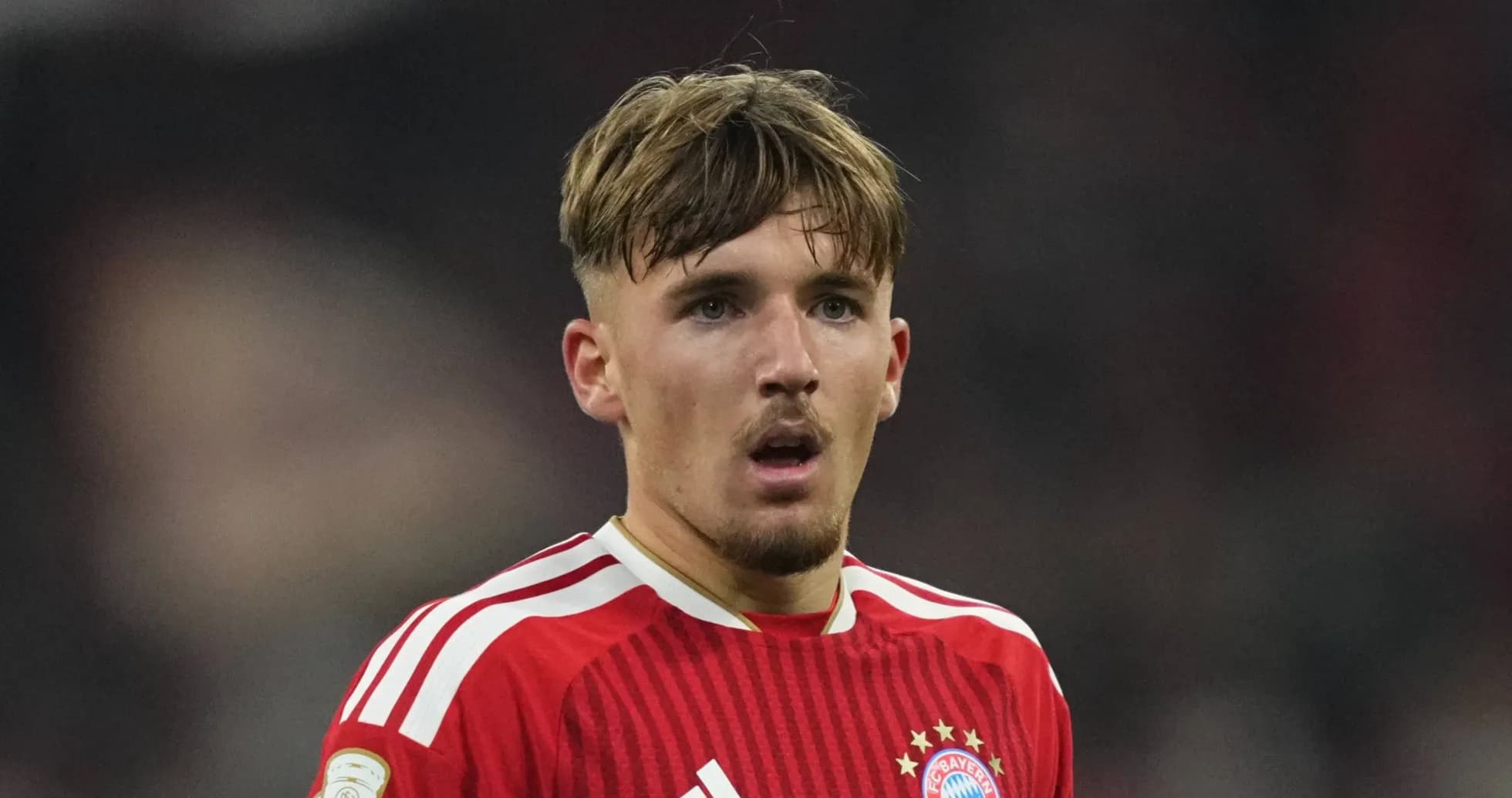
Lennart Karl’s season has felt like it’s moving in reverse. Last autumn he tore through defences and straight into the spotlight. Now, at 18, the right winger finds himself under scrutiny from some of the most powerful voices at his club – and being publicly defended by a stand‑in coach.
With Vincent Kompany sidelined by illness, assistant coach Adam Danks stepped in for Friday’s press conference and used the platform to draw a protective circle around the teenager. He leaned on his years in youth development with the English FA and spoke like a man who has seen this story play out many times.
“I have been a coach for a long time and have spent most of that time working with young players,” Danks said. Then he turned directly to Karl’s situation. “What Lenny is going through right now is completely normal. Everyone expects and hopes that the path will lead straight to the top. But in reality it is like a rollercoaster: there are highs and lows, fluctuations in performance, moments of great confidence and moments of little confidence. We believe in him, stand behind him and encourage him to work hard.”
The image fits. Since his rapid breakthrough last autumn, Karl’s rise has juddered and jolted. A string of injury problems in the second half of last season checked his momentum and cost him a place at the World Cup. The new campaign began badly as well; his performances dipped, his minutes shrank, and the hype around him cooled just as quickly as it had ignited.
Recently, though, there has been a flicker of the old electricity. Karl has started twice in succession and used those chances to remind people why he was fast‑tracked in the first place. In Wednesday’s 6-1 win over 1. FC Magdeburg he threaded a clever through ball in the build-up to Michael Olise’s opener and later supplied the assist for the 4-1 goal. It was the kind of involvement that doesn’t just pad statistics, it changes the feel of an attack.
“In the last two games, he has shown some really positive signs,” Danks said. “He has worked hard, carried out his defensive duties for the team very well and shown moments of real quality.” The numbers back him up: 443 minutes across 11 appearances this season, one goal, two assists. Modest on paper, but framed by his injuries and stop‑start rhythm, they look more like a base than a ceiling.
Pressure from above
The problem for Karl is that the debate around him no longer stops at the touchline. Several senior figures at the club have gone public with their irritation, not so much about his left foot as his life off the pitch and his activity on social media.
Honorary president Uli Hoeneß has already announced he will hold a “serious conversation” with the youngster. When Hoeneß chooses those words, everyone at the club understands the weight behind them. Sporting director Max Eberl followed up after the Magdeburg match, speaking of “one or two missteps” and laying down a simple demand: “Lenny has to show on the pitch that he is coming out of this slump.”
So the message from upstairs is clear and unforgiving. Grow up. Prove it. Now.
Between those stern voices, Danks’ stance feels different. Not indulgent, but nuanced. He recognises the chaos that surrounds a teenager thrust into elite football, the way form, confidence and outside noise can collide. His description of a career as a rollercoaster is not a slogan, it is a diagnosis.
Karl’s response will not be judged in a press room, though. It will be judged where it always is in clubs of this size – under the floodlights, with the ball at his feet and the scoreboard unforgiving.
Dortmund test on the horizon
The next stage of that examination could hardly be tougher. Saturday’s Bundesliga top match against Borussia Dortmund (6.30pm) looms, with all the usual noise, rivalry and consequence. Karl is expected to start on the bench and come on only as a substitute, a reminder that his status has shifted from automatic starter to impact option.
For a young winger trying to climb out of a slump, that role can cut both ways. Limited minutes, but maximum spotlight. One miscontrol is noticed. One bold run can change the narrative.
Danks has made his position clear: the staff still believe in Karl and want to see his work on the training ground translate into consistency on the pitch. The hierarchy has made its position clear as well: the patience of a superclub is never infinite.
Somewhere between those two poles, Lennart Karl now has to find out what kind of player – and what kind of professional – he wants to be. The next time he steps onto the pitch, the question will not be whether he is talented enough. It will be whether he is ready to ride the rollercoaster without flying off the track.