Brentford vs Chelsea: A Tale of Two Clubs in London
LONDON — On one side of west London on Friday night, a club with a plan. On the other, a club still trying to remember what one looks like.
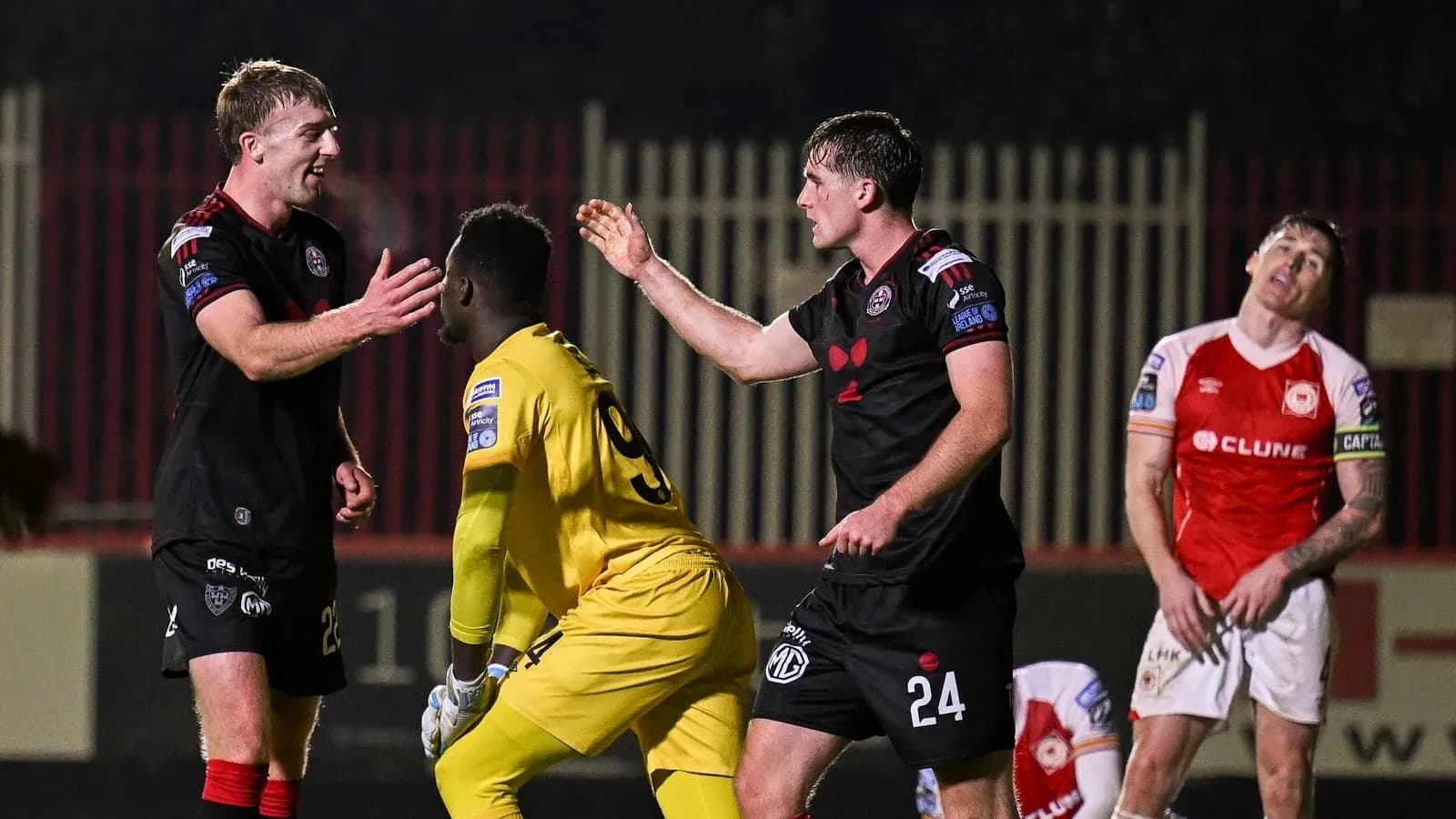
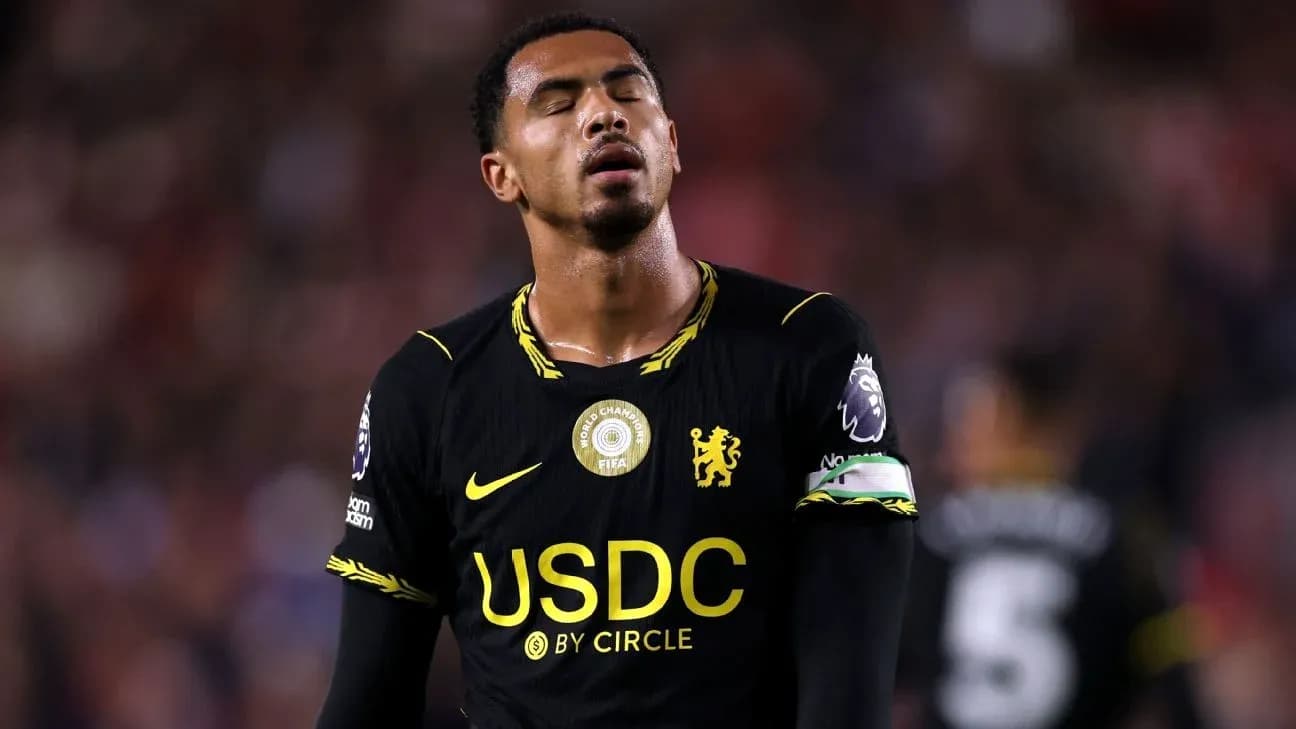
Brentford 3, Chelsea 0. The scoreline stung, but the contrast cut deeper.
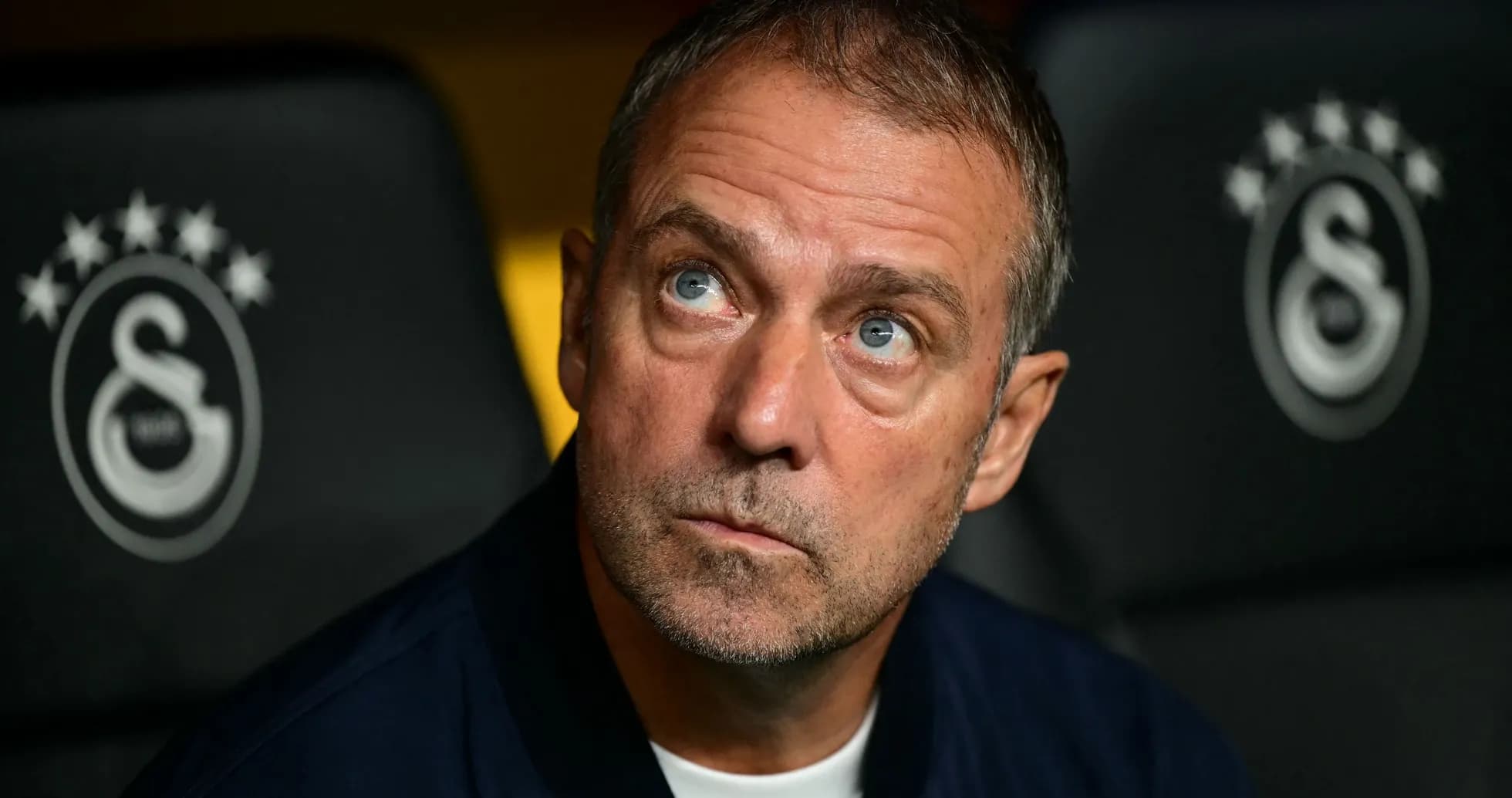
Clearlake Capital’s first match as outright owners of Chelsea was supposed to usher in a new phase of clarity, with Xabi Alonso as the figurehead of a reset. Instead, they walked into the Gtech Community Stadium and watched a smaller neighbour offer a masterclass in something money can’t simply buy: a settled identity.
Brentford know exactly who they are
Brentford came into the game unbeaten — one win, three draws — and walked out looking like a side entirely at ease with itself. They defended with conviction, attacked with patience, and played as if every player understood his role to the last detail.
The goals told the story as much as the performance.
The first came from a corner. Mikkel Damsgaard swung it in, Jannik Schuster rose to nod the ball back across goal, and Jaidon Anthony, completely alone at the far post, headed in. Simple. Rehearsed. Devastating.
The second arrived on the break. Chelsea, chasing, left the back door wide open. Kevin Schade burst into the space, his shot was saved, but Igor Thiago reacted quickest, twisting his body to acrobatically hook the rebound home. One pass, one run, one finish — and Chelsea were carved open again.
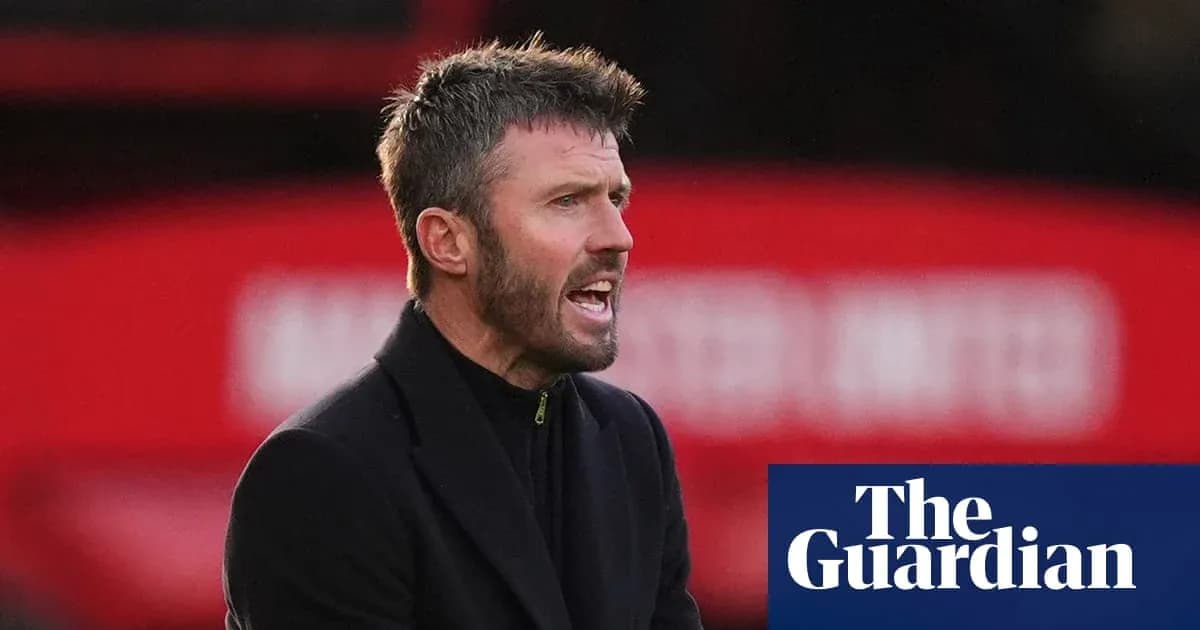
The third was the final insult. Another ball to the far post, another unmarked red-and-white shirt. Fábio Carvalho arrived, calm and clinical, to sweep in. Brentford coach Keith Andrews leapt into his assistants’ arms and looked to the sky as the home end roared and chanted that they’d happily play Chelsea every week.
This is what Brentford do. They sell stars, reload smartly and carry on. Mamadou Sangare, signed from Lens in the summer, is the latest example of a club that refuses to panic when key players move on. No Bryan Mbeumo? They adjust. They trust their recruitment, their coaching, their structure.
Around the pitch, the mood matched the football. New flags rippled in the stands, TW8 Casuals’ displays funded in part by a £1,000 donation from Nathan Collins. Before the game, Andrews could talk about Schade and Vitaly Janelt being called up by Jurgen Klopp to Germany’s 44-man squad. It felt like a club enjoying its moment, and expecting more.
“I love this place. I say to the players all the time that we don't realize how lucky we are,” Andrews said. “We have a sign above the boot room that says exactly that; how lucky are we to be at an amazing place and be part of a special, special group.”
He didn’t sound like a man bracing for turbulence. He sounded like someone surfing a wave his club has spent years learning how to catch.
Chelsea still searching for themselves
Chelsea, by contrast, remain a work in progress that keeps smudging.
The summer was supposed to be different. The plan was to build a spine: Jordan Henderson in midfield, Danny Welbeck up front, experience to steady the volatility of a young, talented squad. These were Alonso players, signings that reflected his desire for control, structure, and a more reliable heartbeat through the middle.
For 70 minutes, it looked like they might get away with it. Chelsea were compact, disciplined enough. Henderson and Valentín Barco sat in front of the back four and gave the team a platform. The match was tight, chances rare. It wasn’t thrilling, but it was functional.
Then the legs went. The changes came. And the old fragility walked back through the door.
Without João Pedro, Chelsea’s attack lost its cutting edge. The previously slick combination of Morgan Rogers and Cole Palmer suddenly lacked a focal point. Welbeck, brought in to give them that reference up top, never quite found the rhythm with the pair. Moves broke down. Promising positions fizzled into nothing.
When the intensity dipped, Brentford smelled blood. This wasn’t a tactical revelation; it was muscle memory. They stayed compact, waited for the gaps to appear, and when they did, they punished Chelsea with a ruthlessness that has become a habit.
The three goals Chelsea conceded will make ugly viewing in the analysis room. Poor marking at a set piece. Naive positioning on the counter. A failure to track runners at the back post. Different situations, same theme: a team that can look solid for long spells but still collapses in alarming fashion once the strain starts to show.
Two clubs, one city, very different realities
The backdrop to all this only sharpened the contrast.
Alonso spent the buildup fielding questions about injuries and ownership shifts, talking through the noise that seems to hang permanently over Stamford Bridge these days. Brentford’s pre-match narrative? A celebration. International call-ups. Donations to fan groups. Another transfer window where they quietly upgraded and refined.
Since promotion to the Premier League in 2021, Brentford have barely broken stride. Big names have gone, but the model has held. They identify, they develop, they replace. They had the conviction to promote their set-piece coach, Andrews, when Thomas Frank left last year, despite predictions that the club would finally wobble.
They didn’t. They doubled down on what they are.
Chelsea, meanwhile, are still trying to work that out. They have talent, a lauded coach, and now a single ownership group in full control. Yet they remain unpredictable, veering between promise and fragility. The performance at the Gtech felt like a rerun of last season: flashes of structure, followed by a sudden, collective drop.
Alonso is too smart, and the squad too gifted, for this to be the finished product. He will shape something of his own here. But as the new regime at Stamford Bridge looks ahead and talks of projects, cycles and windows, they might glance back across west London and see a different lesson.
Sometimes the smartest investment isn’t the next big signing or the next sweeping change. It’s backing what you already are — and having the courage to define it in the first place.