.svg&w=384&q=75 "logo")
Barcelona's Striker Hunt Pushed to January Amid Early Success
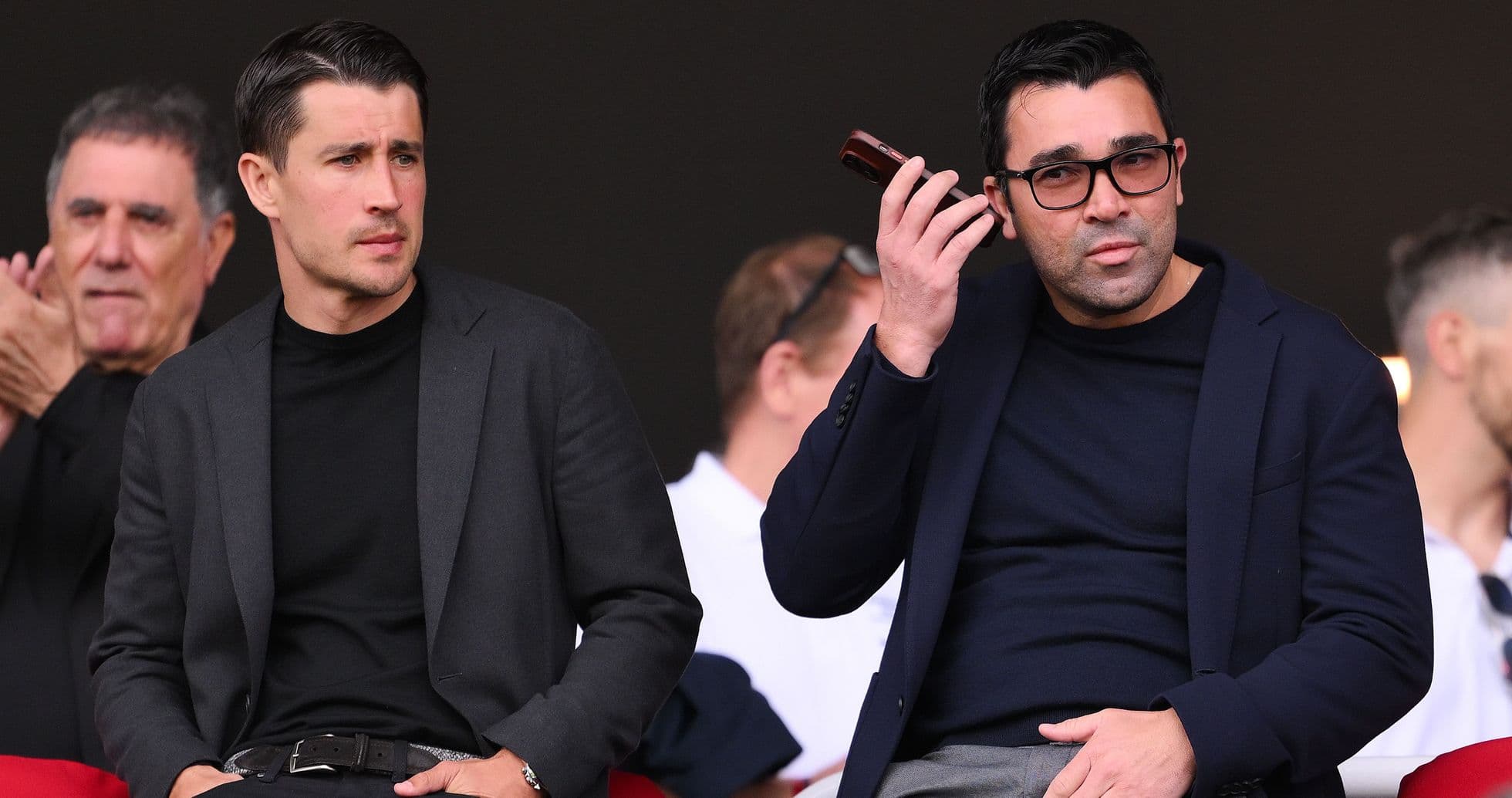
Barcelona’s transfer window is winding down without the grand finale many expected. Not because the club has lost its appetite for a marquee No 9, but because the people in charge have decided January might be the smarter time to strike.
Inside the sporting department, the message is clear: keep a cushion within financial fair play, protect cash for the winter, and only move now if a truly elite opportunity appears. It has not.
A quiet end to a noisy summer
With the summer deadline looming on Tuesday, Barcelona still have business to tidy up in terms of exits and balancing the books. Yet the big decisions at the top have already been made. Unless a major sale materialises out of nowhere or the situation around Julian Alvarez changes dramatically, there will be no late headline arrival.
The club’s hierarchy has shifted its gaze to the next window. The priority is to preserve room under financial fair play rules and maintain liquidity so they can go hard in January if the season demands it.
That is a significant change in tone for a club that spent months insisting a new striker was non-negotiable.
Flick’s start changes the mood
Hansi Flick has complicated the transfer debate in the best possible way. Two games into La Liga, Barcelona have two wins, seven goals scored and none conceded, against Elche and Athletic. The attack, supposedly undermanned after the departures of Robert Lewandowski and Ferran Torres, has looked anything but toothless.
The German coach has not tried to hide his satisfaction. His forwards are fluid, aggressive, and ruthless in the box. The numbers back it up, and the performances have softened the urgency that once surrounded the hunt for a classic centre-forward.
What was once a glaring hole now looks, at least for the moment, like a tactical evolution.
Julian Alvarez or nobody
Inside the club, the plan had been simple: Julian Alvarez or bust. He was the main and only name on the list to reinforce the frontline. That has not changed.
What has changed is the feasibility. Atletico Madrid have refused to negotiate, closing the door on any late twist. Their stance has effectively killed Barcelona’s hopes of landing Alvarez before the deadline.
With that, the club has chosen to walk away rather than scramble for a second-choice solution. The line is firm: either Julian Alvarez arrives, or nobody does.
Raphinha’s reinvention buys time
On the pitch, Raphinha has made that stance easier to defend. Pushed into a false nine role, he has responded with three goals, matching Fermin Lopez’s tally and offering a different type of threat through the middle.
His movement has stretched defences, his finishing has been sharp, and his understanding with the rest of the front line has grown quickly. That form has given Barcelona something priceless in a tense market: time.
With results strong and goals flowing, the club feels less pressure to force a deal in the final days of August that might compromise their winter strategy or squeeze them against financial fair play.
January looms large
The idea now is straightforward. Use the first half of the season as a live audit of the attack. Track goals, chemistry, and, crucially, injuries. If the front line holds up and continues to deliver, Barcelona can be selective. If it stutters, the club wants to be ready to move aggressively for a top-level No 9 in January.
A “headline” transfer before this window closes is therefore highly unlikely. The Catalan giants are prioritising that financial margin, anticipating the need – and possibly the chance – to go after a genuine, top-class striker in the winter.
For now, the market slows, the noise fades, and Flick’s team carries the burden of proof. If the goals dry up, the question will not be whether Barcelona need a striker in January, but whether they can afford not to sign one.