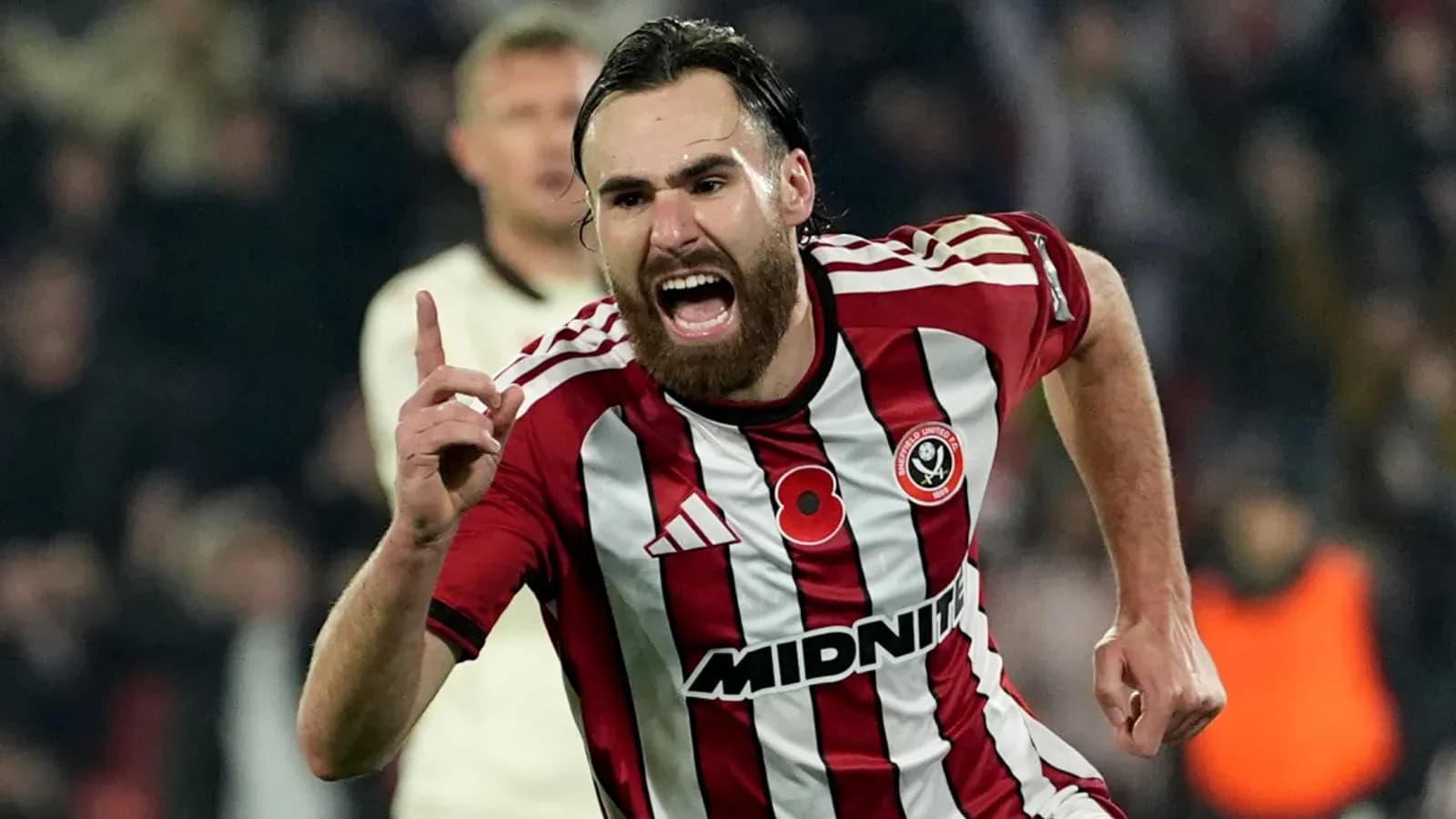
Barcelona Gains Advantage as Real Madrid Faces Blackout in China
Chinese broadcasters have slammed the door on Real Madrid in the wake of the Kylian Mbappé storm, and Barcelona have walked straight through the gap it left behind.
La Liga’s presence in the world’s biggest market has been thrown into turmoil after Mbappé described former Chinese leader Mao Zedong as a “dictator” — a remark that detonated sponsorship deals, provoked a formal apology from the player and Real Madrid, and then saw that apology flatly rejected.
According to Spanish outlet Mundo Deportivo, La Liga president Javier Tebas moved quickly, working with the Chinese ambassador to Spain to prevent a complete blackout of Spanish football in China. The rescue mission produced a compromise, but one that splits the league’s fate in two and leaves its biggest club out in the cold.
Two broadcasters, two very different verdicts
China Media Group, which controls state broadcaster CCTV, opted for the harshest possible response. It temporarily suspended the broadcast of all Spanish league matches, calling Mbappé’s words “offensive to the Chinese people and exceed the limits of freedom of expression” and refusing to accept the apologies issued by the forward and his club.
The message from Beijing’s flagship media group was icy and unmistakable. A representative declared: “We will listen to his words, but we will watch his actions closely.”
While CCTV turned off the tap entirely, the other major rights holder in China chose a scalpel instead of a hammer.
Migu, the digital platform owned by telecoms giant China Mobile and La Liga’s partner in China until 2030, announced it would continue to show “the entire championship, with the exception of the matches in which Real Madrid participate”.
That single line changes everything.
Barcelona stay on screen, Real Madrid disappear
In practical terms, every La Liga club except Real Madrid remains visible to hundreds of millions of Chinese viewers on Migu. Barcelona’s games stay on the schedule. So do Atlético Madrid’s and those of the rest of the division. Only Real Madrid vanish from the platform’s coverage, in the league and in any other competitions Migu carries.
The fallout is brutal for the European champions. China is not just another territory for a global superclub; it is a cornerstone of commercial strategy, shirt sales, and brand building. When those screens go black, so do revenue streams and visibility.
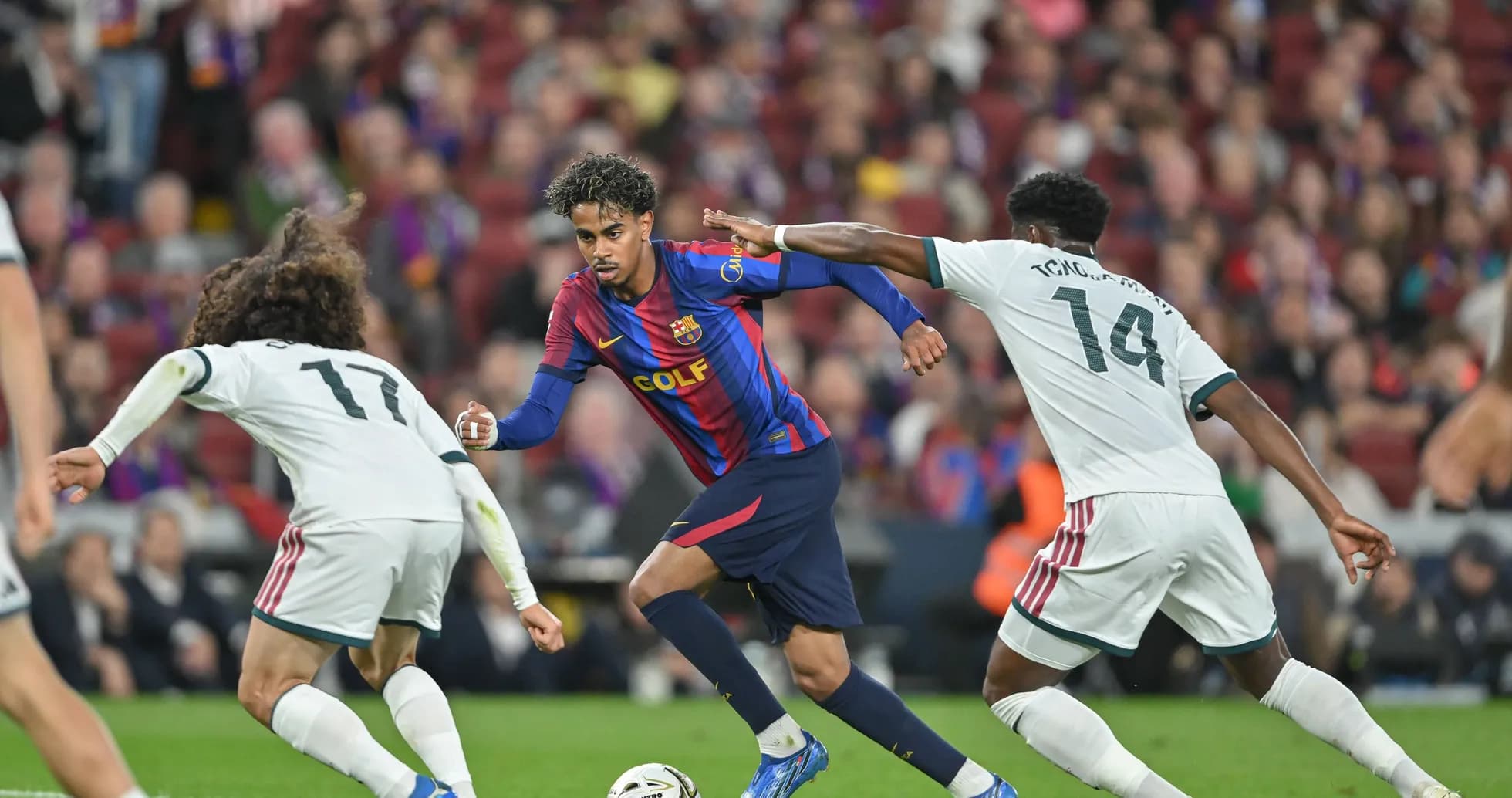
Barcelona, by contrast, emerge from the Mbappé earthquake with minimal damage and a clear advantage. Their fixtures will continue to beam into homes, phones, and cafés across China, preserving their marketing footprint in a market that clubs fight over with almost as much intensity as they do over trophies.
While Real Madrid count the cost of a superstar’s words, Barcelona find themselves with a rare edge in the eternal rivalry — not on the pitch this time, but in the battle for global attention and influence.