.svg&w=384&q=75 "logo")
Argentina's Homecoming Triple-Header: A New Era Begins
The world champions are coming home. Not for a lap of honour, not for a testimonial farewell, but for work. Hard, necessary work.
The Argentine Football Association (AFA) are assembling a three-match home series for the FIFA window between 21 September and 6 October, according to ESPN Argentina, with Lionel Scaloni’s new-look side set to spend the entire period on home soil.
Monumental return, provincial embrace
The plan starts where so many of Argentina’s great nights have unfolded: El Monumental. The opening fixture is pencilled in for the Buenos Aires cauldron against either South American opposition or a CONCACAF visitor, a choice that will shape the tone of this first post-Messi autumn.
After that, the national team are expected to leave the capital. Cordoba and Rosario have emerged as leading candidates to host the other two matches, a deliberate move to spread the Albiceleste’s homecoming beyond Buenos Aires and reconnect with the provinces that feed the national team’s talent and passion.
On Sportscenter’s morning edition, ESPN journalist Diego Monroig laid out the scenario in blunt numbers. He reported that Scaloni’s side are “in a 90 percent chance” of playing the entire window in Argentina, with initial overseas plans now shelved.
Messi’s farewell, Asia tour’s collapse
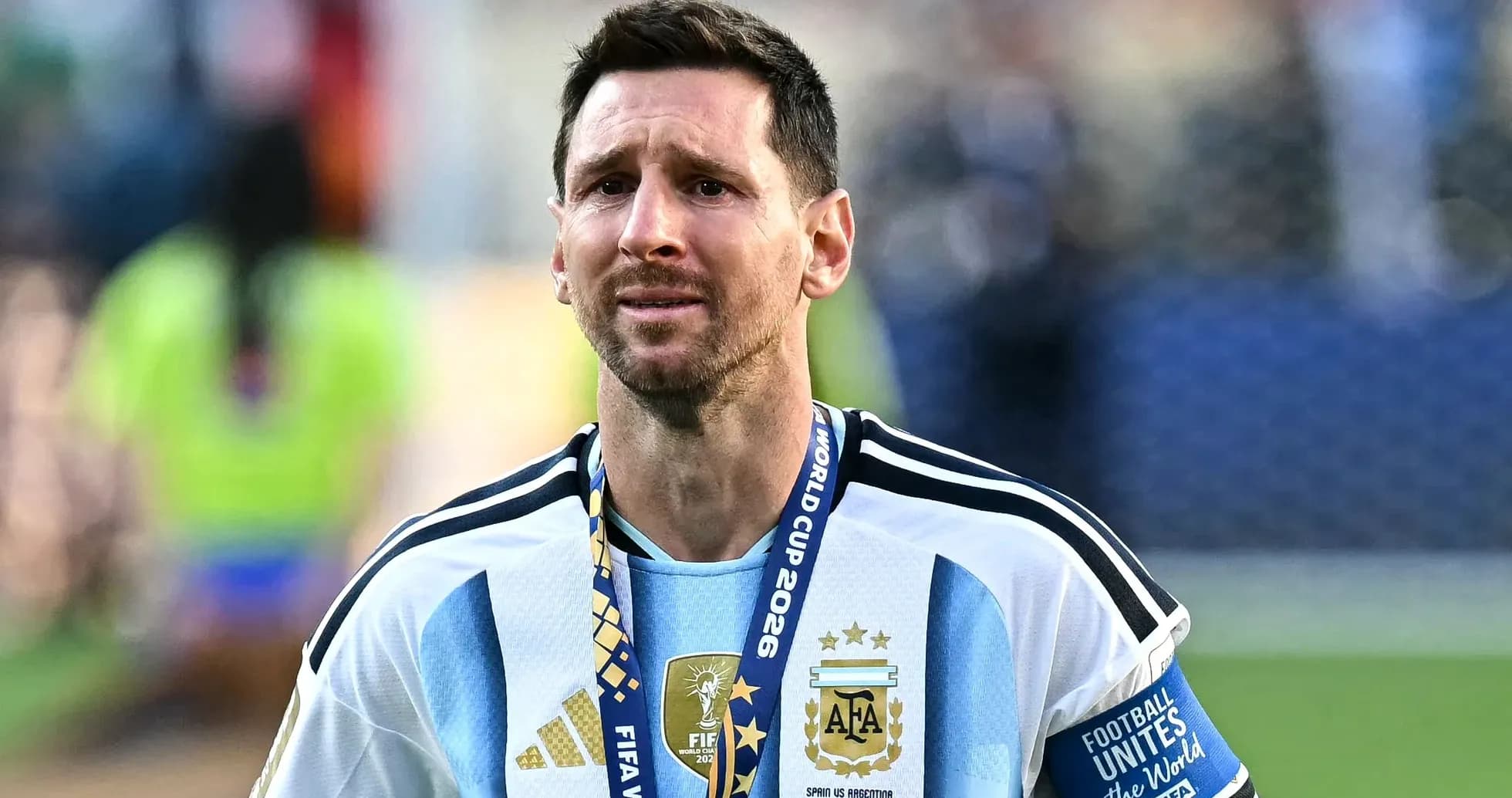
The shift in planning is rooted in a single seismic decision. Lionel Messi’s call to end his international career did not just close a golden chapter; it also killed off a lucrative tour of Asia.
A match in China had been described as “almost confirmed.” That trip is gone. So are the commercial showcases that usually follow the world’s most marketable footballer. In their place, a more introspective agenda: three home games, a new tactical blueprint, and a team forced to learn how to live without the captain who defined an era.
The AFA’s choice to bring the squad home rather than scramble for a replacement tour abroad says plenty. This is not a victory lap. It is a reset.
World Cup qualifying puzzle with FIFA
While friendlies dominate the short-term agenda, a bigger question hangs over South America’s road to the next World Cup.
CONMEBOL are deep in talks with FIFA to determine how many qualification spots the continent will actually hold. The debate is simple, the implications anything but. Argentina, Uruguay, and Paraguay are co-hosts of the next World Cup and therefore guaranteed automatic berths. The key issue is whether those three places will be deducted from CONMEBOL’s traditional 5.5 slots or added on top.
If they are deducted, the remaining nations fight over fewer tickets. If they are added, the region enjoys an unprecedented allocation and a very different qualifying landscape.
Amid that uncertainty, Argentina have made their stance clear. Despite their automatic qualification as co-hosts, they have formally requested to play the full qualifying campaign. No shortcuts. No coasting into the tournament. Scaloni wants his team in the fire.
Scaloni’s rebuild after Spain heartbreak
These three autumn fixtures arrive at a delicate moment. Argentina are still carrying the sting of July’s 1-0 World Cup final defeat to Spain, a narrow loss that closed one cycle and exposed the next.
The upcoming window hands Scaloni a vital platform to redraw his tactical map. Without Messi, every attacking pattern changes. Leadership hierarchies shift. The dressing room voice, the free-kick taker, the player who wants the ball when the stadium holds its breath — all of that must be redefined.
Playing at home helps. El Monumental, then Cordoba, then perhaps Rosario: three different stages, one central mission. Give minutes to the next generation. Test combinations. Decide who can handle the weight of the shirt when it no longer orbits around a single genius.
And there is no time to ease into it. Another FIFA window looms quickly between 9 and 17 November, part of what promises to be a relentless international calendar.
By the time 2027 arrives, Argentina will need a team that is not just surviving the absence of Messi, but imposing itself without him. The work on that future does not begin at a World Cup opener or a Copa América knockout tie.
It starts in September, under the lights of El Monumental and beyond, with a nation watching to see who steps forward now that the greatest of them all has stepped away.