.svg&w=384&q=75 "logo")
Argentina Faces FIFA Sanctions After World Cup Final Chaos
The 2026 World Cup final was supposed to be a coronation. Instead, Argentina walked away with a 1-0 defeat to Spain, a tarnished reputation, and a stack of disciplinary sanctions that will shape the next phase of their national-team calendar.
The football has already faded. The fight has not.
Heavy justice for Paredes and Molina
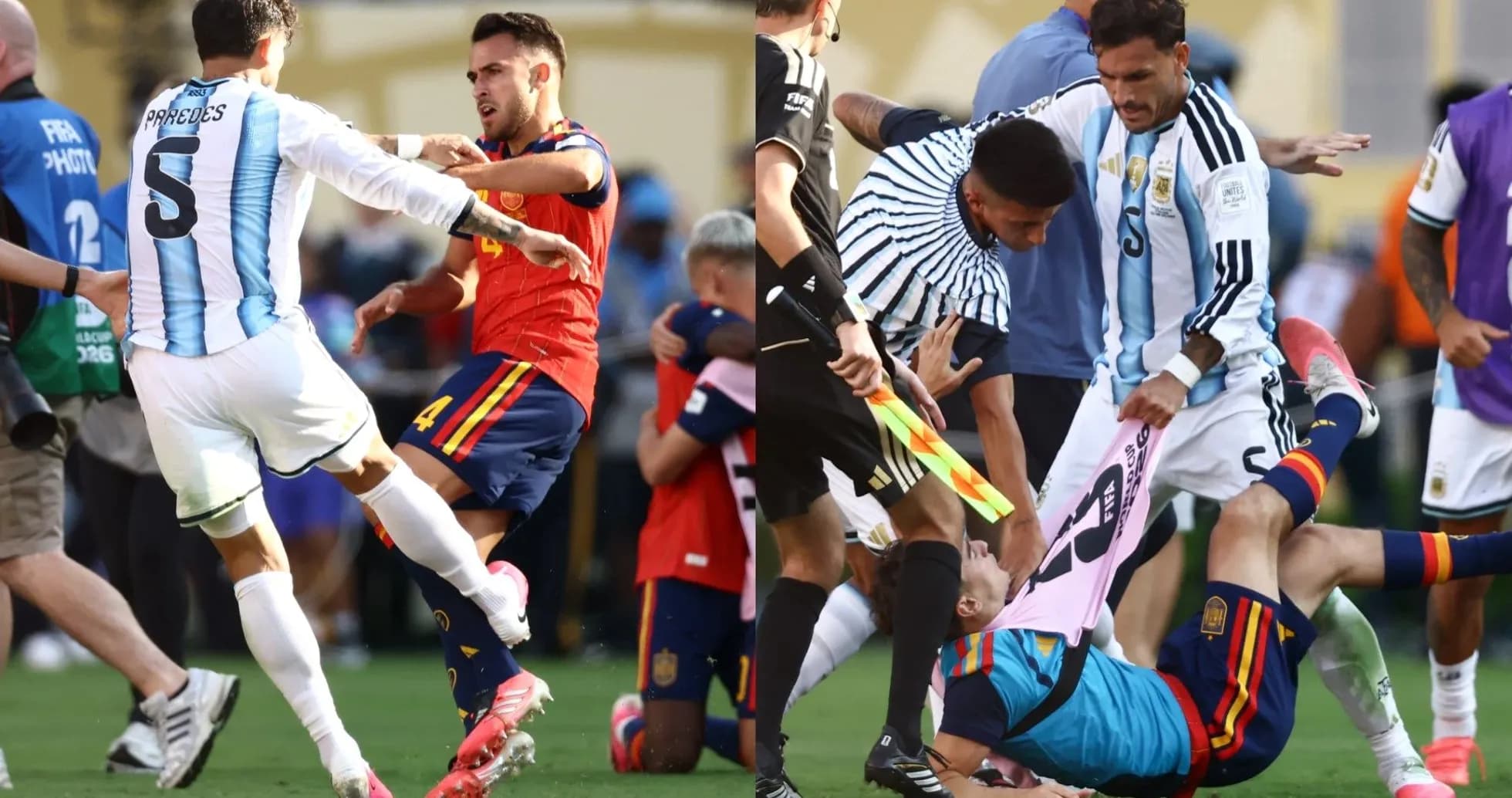
Leandro Paredes has taken the heaviest blow. The 32-year-old midfielder has been hit with a 10-match suspension and a £65,000 fine after a series of flashpoints in the post-match chaos: grabbing Eric Garcia by the throat, striking Gavi in the face, then shoving the teenager to the ground. It was a sequence that crystallised the meltdown of a beaten champion.
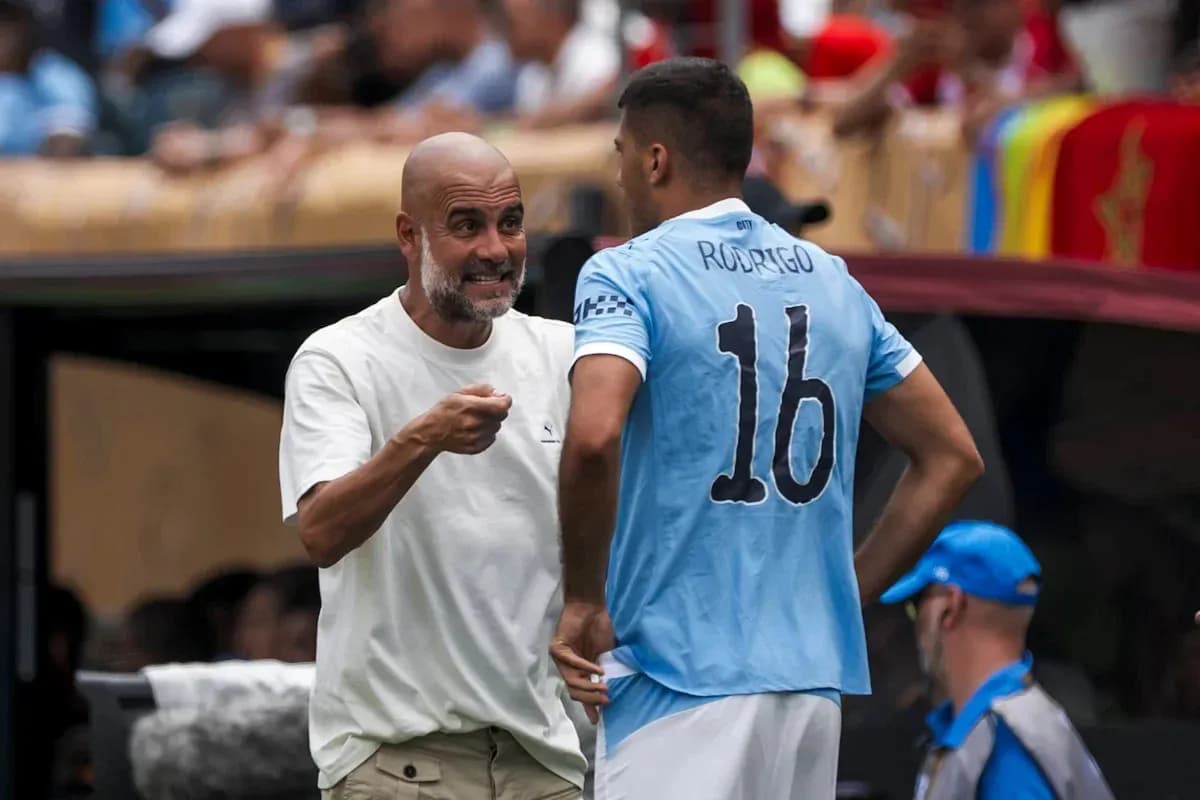
Nahuel Molina has not escaped lightly either. The right-back received a seven-match ban for striking Spain captain Rodri in the torso, an incident that lit the fuse between the two sides and dragged almost everyone into the fray.
Thiago Almada and Gavi, both drawn into the melee, picked up one-match suspensions for their roles. Assistant coach Roberto Ayala was also punished, as FIFA moved to make an example of Argentina’s staff as well as its players.
The message from Zurich is clear: the world was watching, and FIFA did not like what it saw.
AFA plays the long game
Faced with long bans for key figures, the Argentine Football Association did not simply accept its fate. It went to work.
In a formal statement, the AFA confirmed it had asked FIFA to allow the suspensions from the World Cup final — and the sanctions against the association itself — to be served in Class A friendlies and/or official matches, whichever come first. FIFA’s Disciplinary Committee agreed, ruling the request compatible with current regulations.
That decision changes everything.
Instead of missing major tournament fixtures, Paredes and Molina can clear their bans in non-competitive games. Ten matches is still ten matches, but friendlies can be stacked. Calendars can be bent. International windows can suddenly look very busy.
The AFA is already preparing for that reality. Expect a run of high-profile exhibition games, all carrying extra weight for one simple reason: every friendly is now a step closer to a full-strength Argentina.
At the same time, the federation is not dropping its guard. It is awaiting the written reasoning behind FIFA’s rulings and plans to file appeals to the Appeals Committee, keeping the Court of Arbitration for Sport (CAS) in reserve as a final option. Argentina may comply, but it will not go quietly.
Political flashpoint adds to the bill
The disciplinary storm did not begin and end with the final.
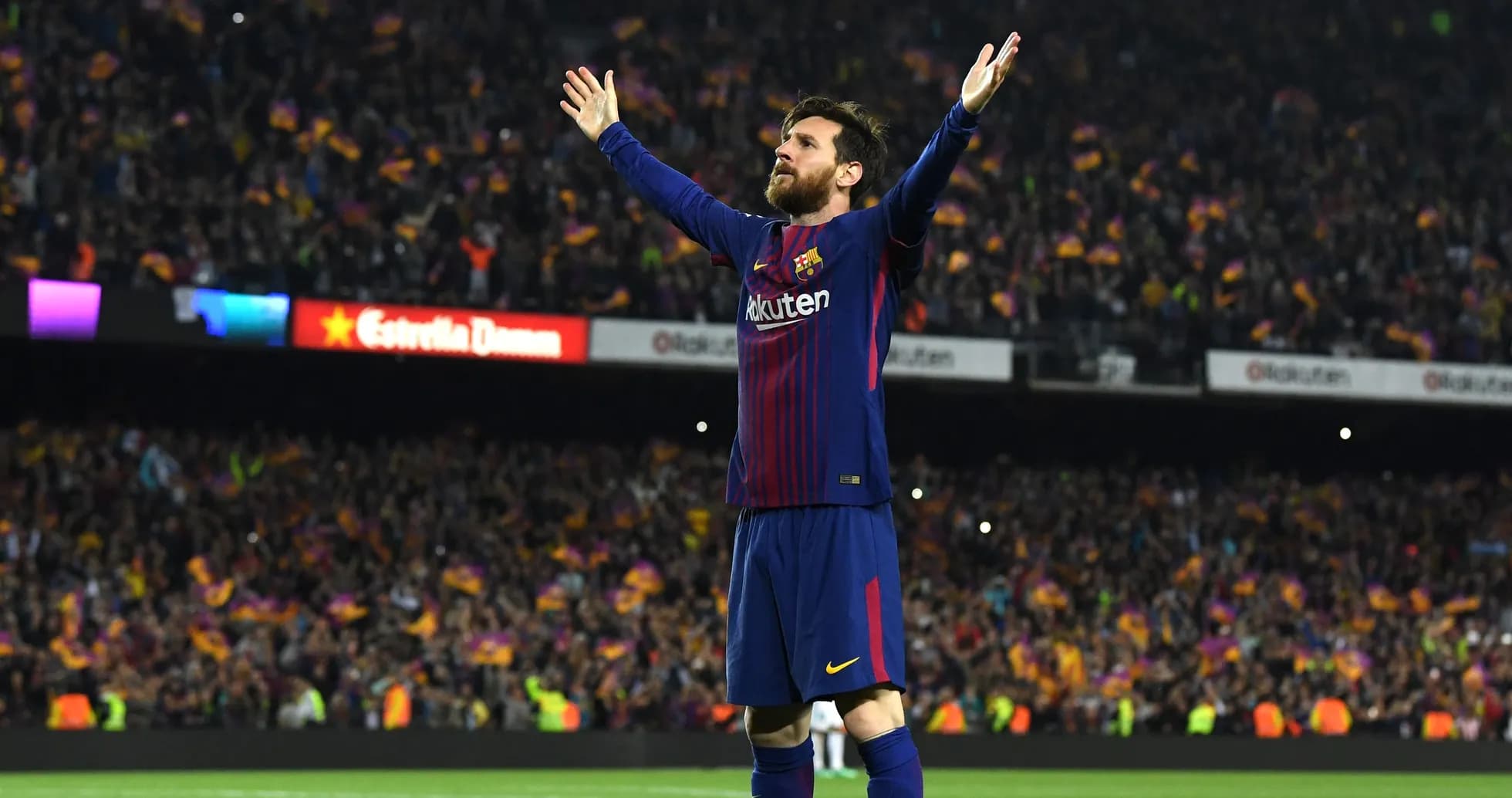
After Argentina’s semi-final win over England, several players — including Lionel Messi, Cristian Romero, Giovani Lo Celso, and Lisandro Martinez — were filmed celebrating with a banner asserting that the Falkland Islands belong to Argentina. The images raced around the world and drew immediate calls for individual bans over a political message on a global stage.
FIFA stopped short of targeting the players directly. Instead, it turned to the AFA’s wallet.
The governing body issued a £235,000 fine, with £73,000 of that amount suspended, and ordered a partial stadium closure for Argentina’s next two home matches. Those games will be played at 50 per cent capacity, with one of the closures also suspended. The symbolism is stark: Argentina will play in front of thinned-out crowds as a reminder of the line FIFA insists must not be crossed.
Time, and friendlies, on Argentina’s side
For most nations, such sweeping sanctions would threaten qualification campaigns and tournament plans. Argentina are in a different position.
As co-hosts of the centenary World Cup, they already hold a guaranteed place at the next finals. Their next truly competitive chapter does not begin until the 2028 Copa America. That gap gives them room — and incentive — to flood the calendar with Class A friendlies.
Those matches will not just be about clearing bans. They will double as a laboratory for the next iteration of the team, a chance to reintegrate sanctioned stars, test new combinations, and repair a fractured image in front of global audiences.
The 2026 final will be remembered for Spain’s win, but also for Argentina’s loss of control in the aftermath. The question now is simple: when the bans are finally served and the stadiums are full again, what version of Argentina will walk back onto football’s biggest stage?