Ancelotti Stands Firm on Raphinha's Call-Up for Brazil
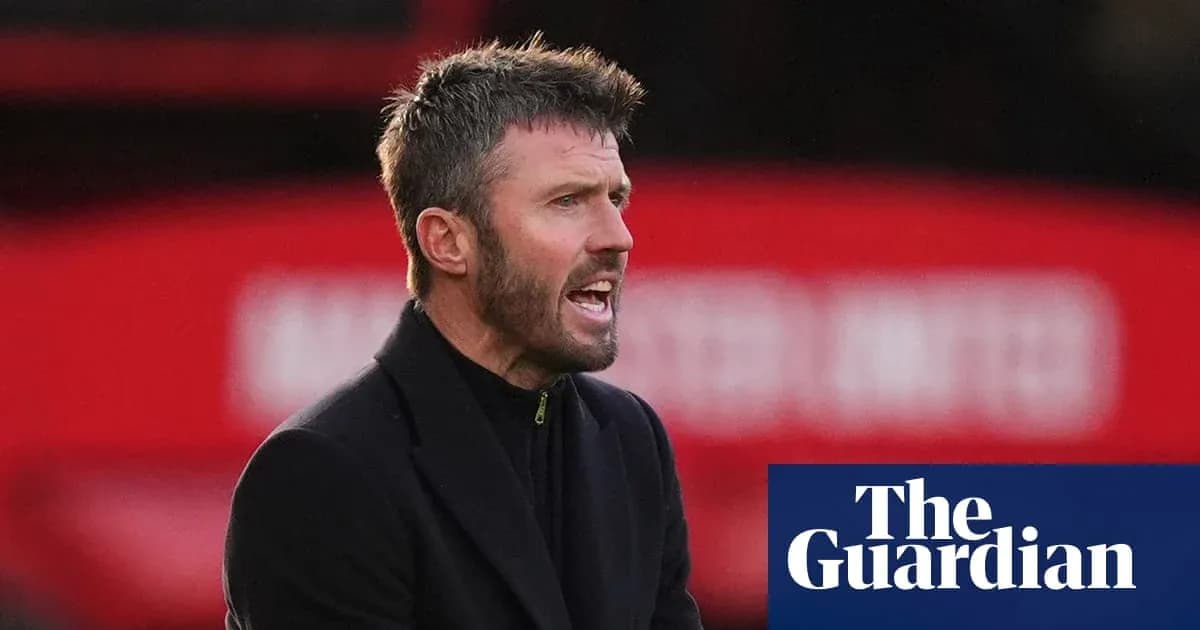
Carlo Ancelotti has never been one to blink under pressure. Not in Champions League finals, not in dressing rooms full of egos, and certainly not in the face of a public complaint from the president of Barcelona.
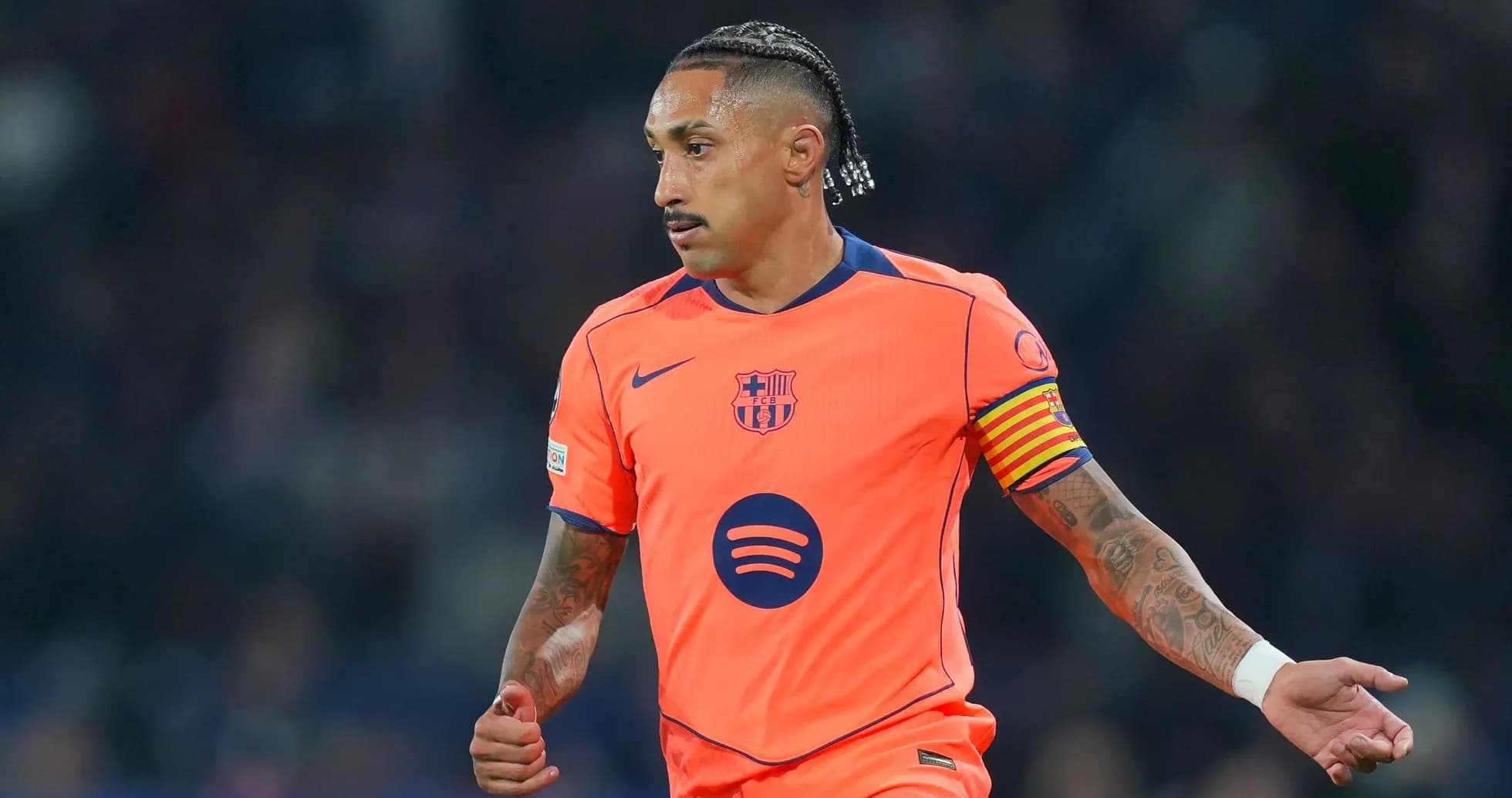
So when Joan Laporta railed against the strain of the international calendar and hinted that Raphinha should be spared another long-haul trip so soon after injury, the Brazil coach’s response was simple: the winger is going to Asia.
Ancelotti draws a line
From the CBF headquarters in Rio de Janeiro, Ancelotti confirmed that the 29-year-old will board the plane to Singapore for Brazil’s friendlies against Japan and the hosts. It is a demanding journey — close to 22,000 kilometres there and back — and it comes just weeks after Raphinha returned from a muscular problem picked up on duty with the national team in Australia.
At Barcelona, the mood is tense. Laporta has already voiced his anger about what he sees as an unforgiving international schedule that punishes clubs who pay the wages and then watch their players criss-cross the globe.
Ancelotti listened. He did not bend.
“We maintain good relations with Brazilian clubs and with European clubs, with whom we share information about the players. In general, this relationship is good,” he said, making it clear that cordial dialogue does not extend to handing over control of his squad list.
The message was unmistakable: Brazil choose Brazil’s players.
Country first, clubs later
Pressed on the discontent from European boardrooms, Ancelotti moved up a gear. For him, FIFA dates are non-negotiable. The national team comes first, whatever the domestic situation.
He is in the middle of a rebuild after Brazil’s recent disappointments on the big stage, and every window matters. Every camp, every flight, every session is a step in shaping the group that will go to the next Copa America and World Cup.
There has been some room for compromise, but only on his terms. Clubs like Flamengo and Palmeiras, locked in a fierce title race at home, have been given some breathing space.
“This is a sensitive moment, that's why we've only called up one player per team and decided not to bring anyone from Flamengo or Palmeiras because they are fighting for the title,” he explained.
European giants, though, get no such exemption. The spine of the Selecao, as Ancelotti sees it, must stay together whenever the calendar allows.
“We have no particular requests, nor do we need them. In the FIFA dates, we will call the players that we consider important for the Brazilian national team,” he said, shutting the door on any notion that Laporta or anyone else can dictate terms.
Raphinha, despite the travel, despite the recent injury, is firmly in that “important” category.
A new cycle, with old pillars
Raphinha’s call-up is not an isolated decision. It sits inside a broader project that Ancelotti has been rolling out since September — a renewal that does not throw experience overboard.
“We have started a renewal project and now is the ideal time to do it,” he said. Brazil’s latest squad underlines that shift: nine players of Olympic age, and up to fifteen under 23.
Youth is being ushered in, but not left alone. The coach has deliberately kept a core of five leaders who were at the last World Cup and who, in his view, must carry the standard into the next cycle: Marquinhos, Gabriel Magalhaes, Bruno Guimaraes, Vinícius Junior, and Raphinha.
“We have made a balanced call-up,” Ancelotti explained, “but in which there are nine players of Olympic age and up to fifteen under 23 years old.”
Raphinha is not just another name on the list. He is one of the “vital pillars” in this new structure — a reference point for a young group that needs guidance as much as talent.
Raphinha’s new dimension
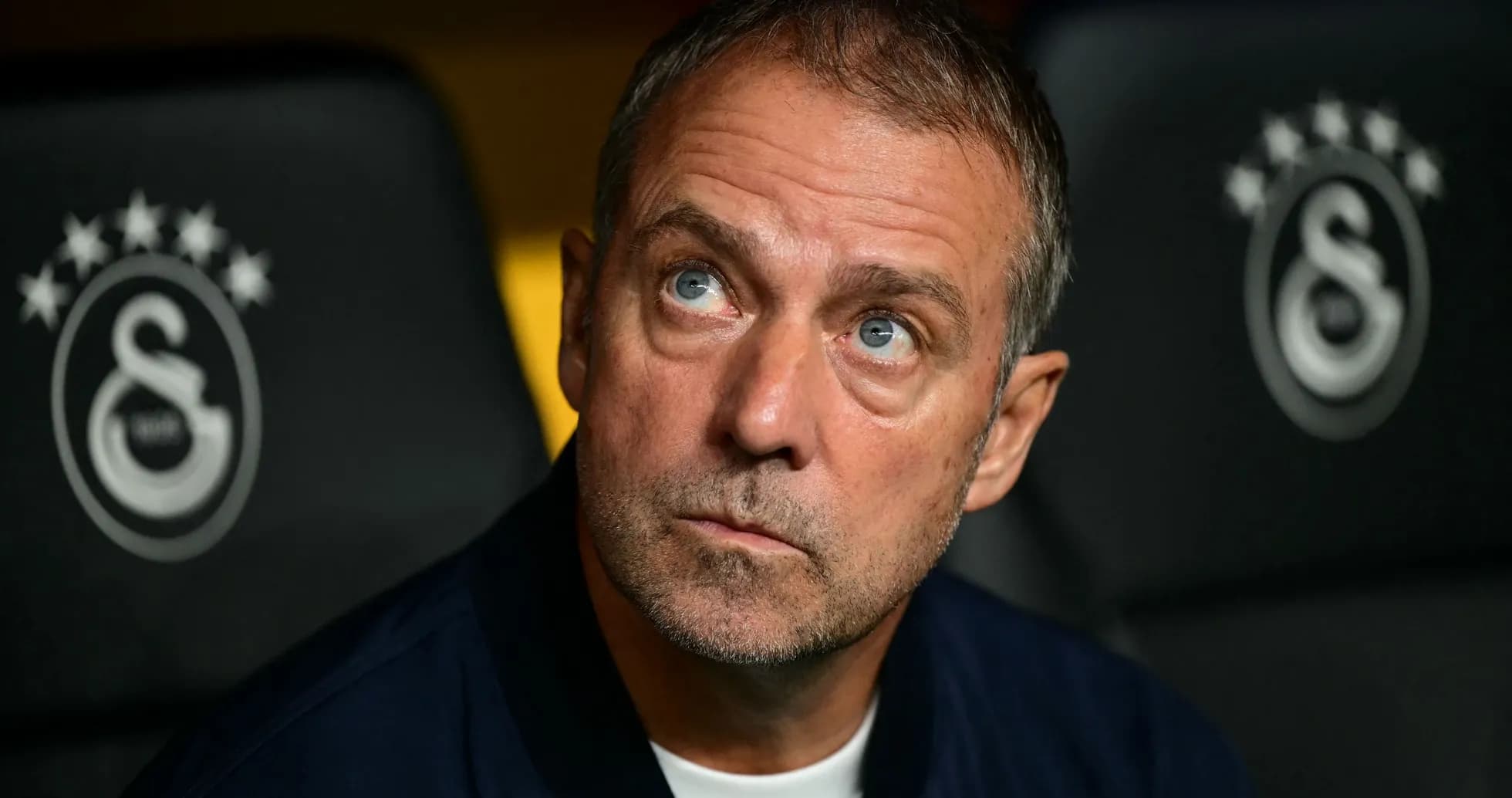
There is also a tactical layer to Ancelotti’s insistence on having him. Under Hansi Flick at Barcelona, Raphinha has drifted away from the touchline and closer to goal, used at times as a central striker or a roaming number nine rather than a classic winger.
It is a shift that adds intrigue to his role with Brazil.
Asked whether he plans to mirror that deployment with the Selecao, Ancelotti chose his words carefully. He revealed little in terms of specific plans for the two friendlies in Singapore but hinted at a flexible front line.
“We have versatile forwards who can occupy various positions. I focus on what we can do and not on the quality of our opponents. We will continue playing with three midfielders and three forwards,” he said.
That structure leaves room for interpretation. Raphinha wide, Raphinha inside, Raphinha attacking space from different angles — all remain on the table.
What is not up for debate is his presence. Despite the distance, despite Barcelona’s fears, Ancelotti has made his stance crystal clear: in this Brazil, Raphinha travels, plays, and helps lead a generation that will be judged on what happens at the next World Cup, not on how many air miles they clock in October.